
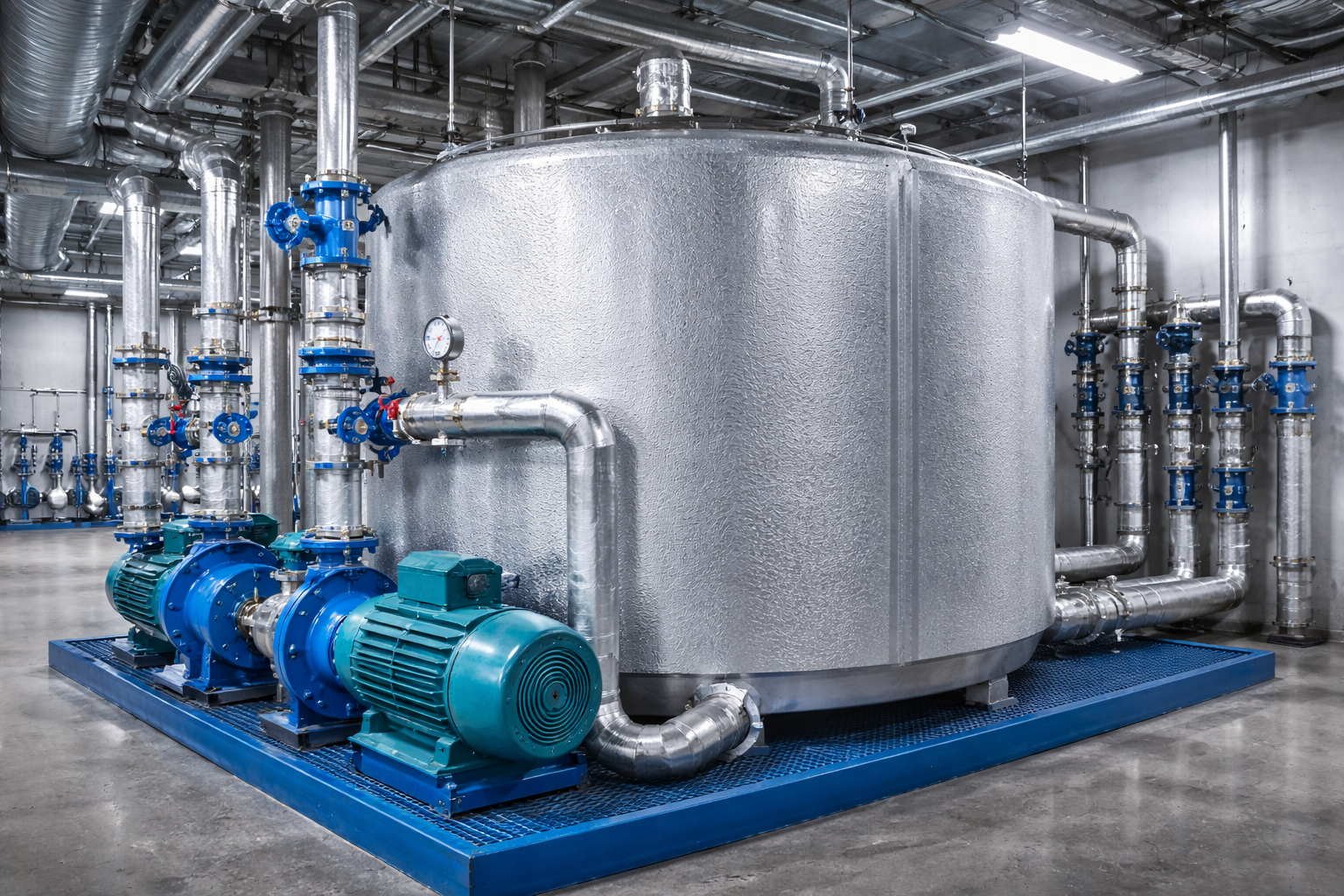
Understanding the Role of the Intermediate Water Tank in Coolant Systems
In coolant systems, the method of liquid supply can vary based on system requirements. Among the different configurations, the secondary pump liquid supply system is the most commonly used. A critical component of this system is the intermediate water tank, which plays a vital role in maintaining th···
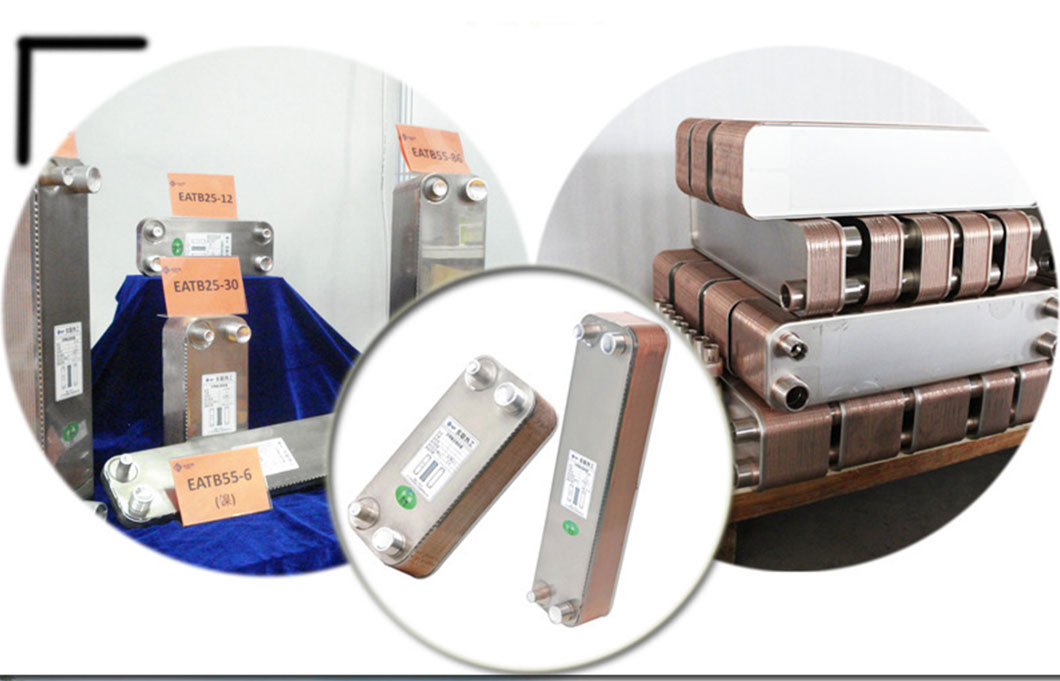
Choosing the Right End-Tube Coil Design for Cold Storage Systems
In low-temperature cold storage facilities, end-tube coils are often used as heat exchangers, with external heat transfer primarily relying on natural convection and radiation. Inside the tubes, refrigerant circulates multiple times, providing phase-change heat transfer. This process enables rapid c···

Advanced Cooling Solutions Elevate Wine Production Quality and Efficiency
In the pursuit of crafting premium wines, precise temperature control during juice clarification and fermentation is crucial. Moreover, newly fermented and filtered wines often contain colloidal substances, tartrates, and polyphenols, which can cause haze or sediment formation with significant tempe···

Revolutionizing Wind Power Cooling: Glacier Coolant’s Specialized Fluid for Wind Turbines
Wind energy, one of the cleanest and most abundant forms of energy, has seen rapid growth worldwide due to advancements in technology and increasing environmental awareness. As global economies develop, wind power has become a viable competitor to traditional coal-fired power generation. With rich w···

Innovative Solutions for Saltwater Corrosion in Refrigeration Systems
In the refrigeration industry, saltwater has traditionally been used as a cost-effective and easy-to-operate cooling fluid. However, its widespread use over time has revealed significant drawbacks, particularly its corrosive effects on equipment. As saltwater circulates through pipes, especially in ···
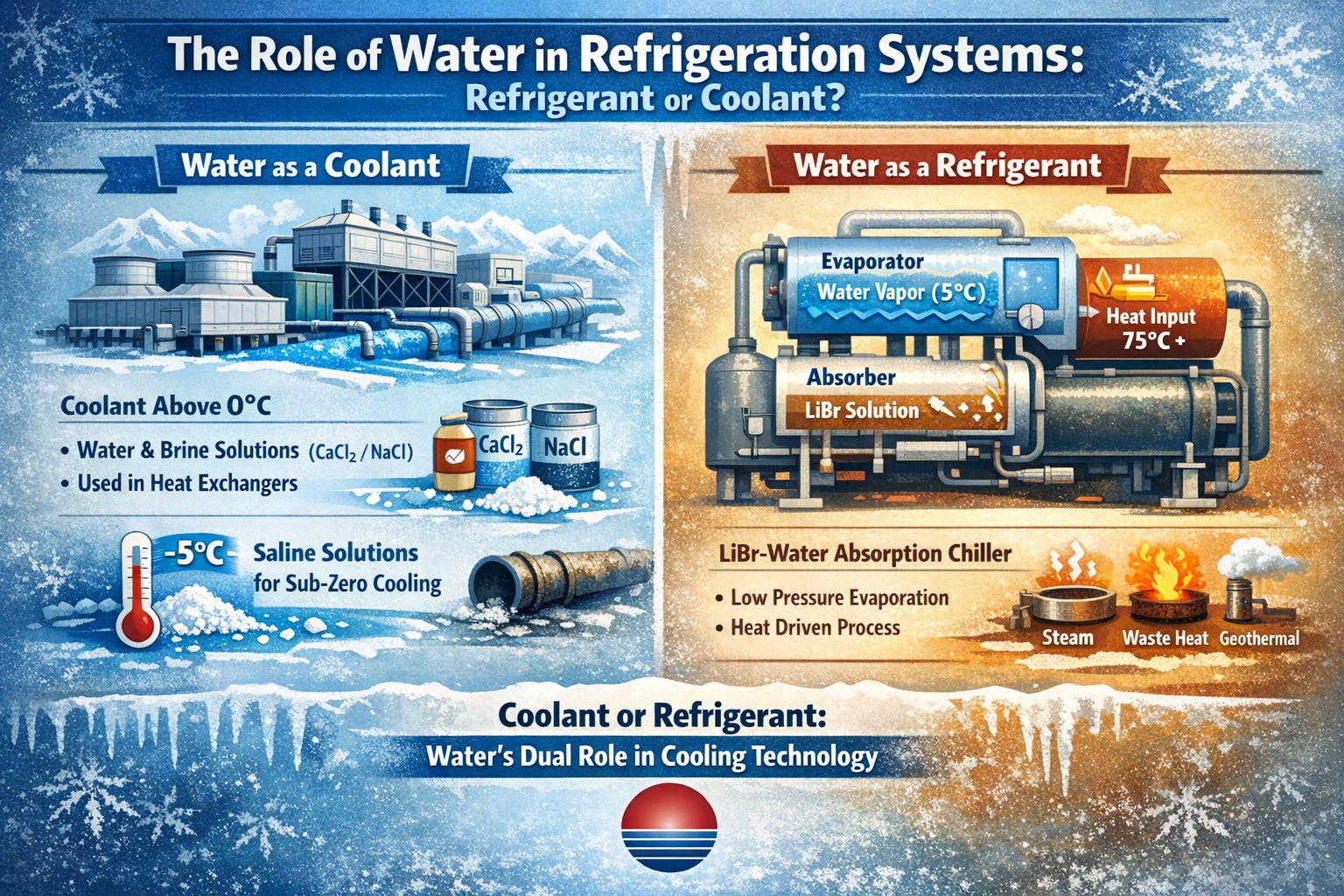
Water in Refrigeration Systems: Versatile Coolant and Refrigerant Roles
Water serves a versatile function in refrigeration and cooling processes, acting either as a coolant or as a refrigerant depending on the system design and operating conditions.Water as a CoolantWater is commonly employed as a coolant in applications where the operating temperature remains above 0°···

Enhancing Cooling Efficiency: The Versatility of Glacier Coolant's LM-15 Series
In the field of industrial cooling, finding the perfect solution to meet diverse temperature control requirements has always been a challenge.Glacier Coolant’sinnovativeLM-15 seriesoffers a groundbreaking solution, providing reliable cooling performance across a wide temperature range of-70°C to 2···
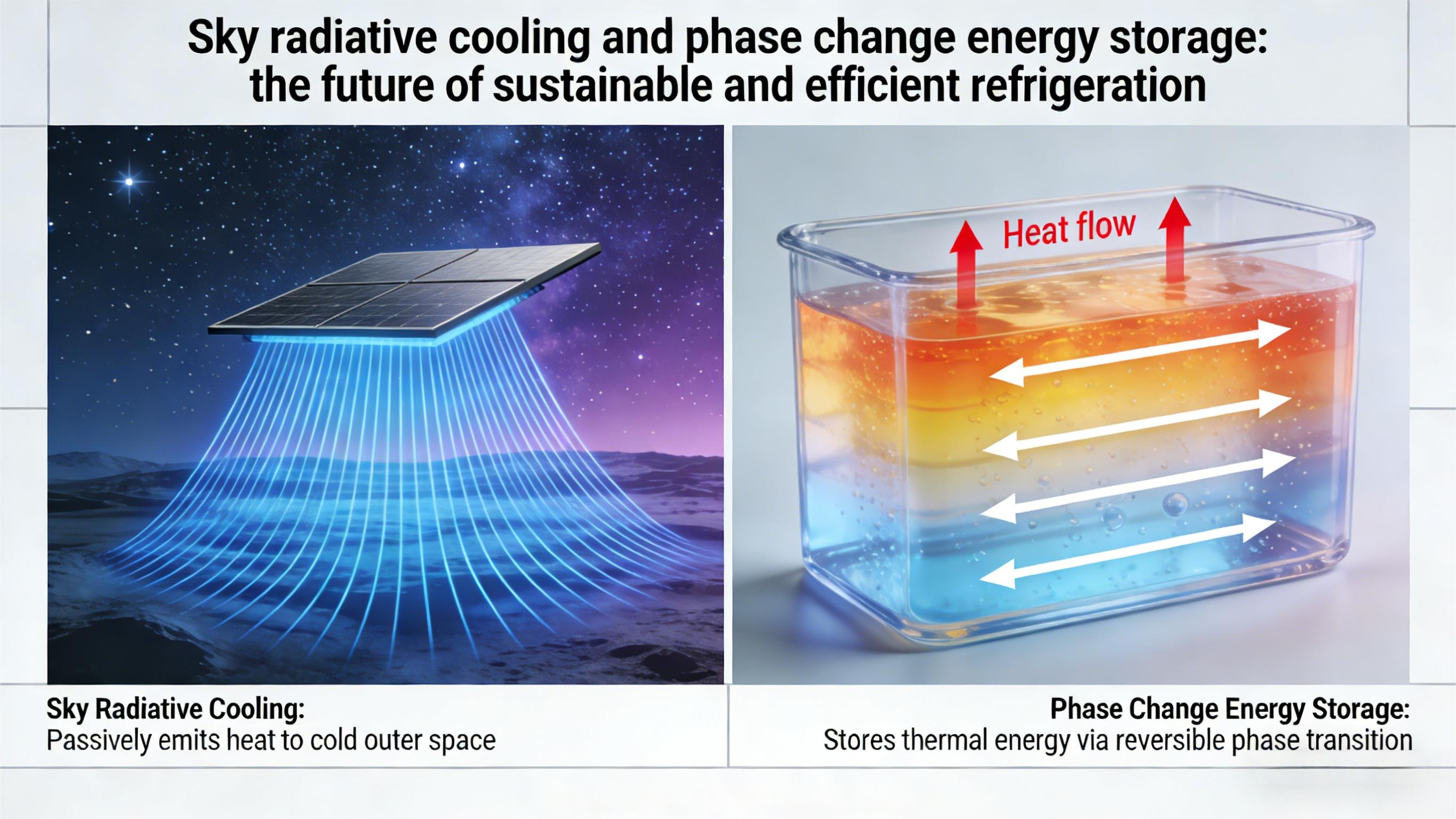
Harnessing Earth's Natural Cooling: Sky Radiation and Phase Change Materials Transforming Energy Systems
Sky Radiation Cooling and Phase Change Thermal Storage: The Future of Sustainable Energy-Efficient CoolingAs the world faces increasing energy demands and the challenge of reducing carbon emissions, Glacier Coolant is leading the charge in developing cutting-edge technologies that deliver both effic···

Coolant Safety in Electric Vehicles: Why Advanced Heat Transfer Fluids Are Becoming a Critical Technology
As electric vehicles (EVs) rapidly reshape the global automotive industry, the reliability of thermal management systems is becoming a decisive factor in vehicle safety and performance. Recent industry incidents have drawn attention to a previously underestimated component: coolant and heat transfer···

Decoupled Liquid Cooling Reshapes Data Center Infrastructure
As artificial intelligence workloads continue to expand, the thermal challenges faced by data centers are reaching unprecedented levels. The rapid rise in computing intensity has driven rack power densities far beyond the capabilities of conventional air cooling systems. In many hyperscale facilitie···