
Sky Radiation Cooling and Phase Change Thermal Storage: The Future of Sustainable Energy-Efficient Cooling
As the world faces increasing energy demands and the challenge of reducing carbon emissions, Glacier Coolant is leading the charge in developing cutting-edge technologies that deliver both efficiency and sustainability. One of the most promising innovations in the field of cooling technology is sky radiation cooling, which harnesses the Earth's natural thermal radiation properties in conjunction with phase change materials (PCMs).
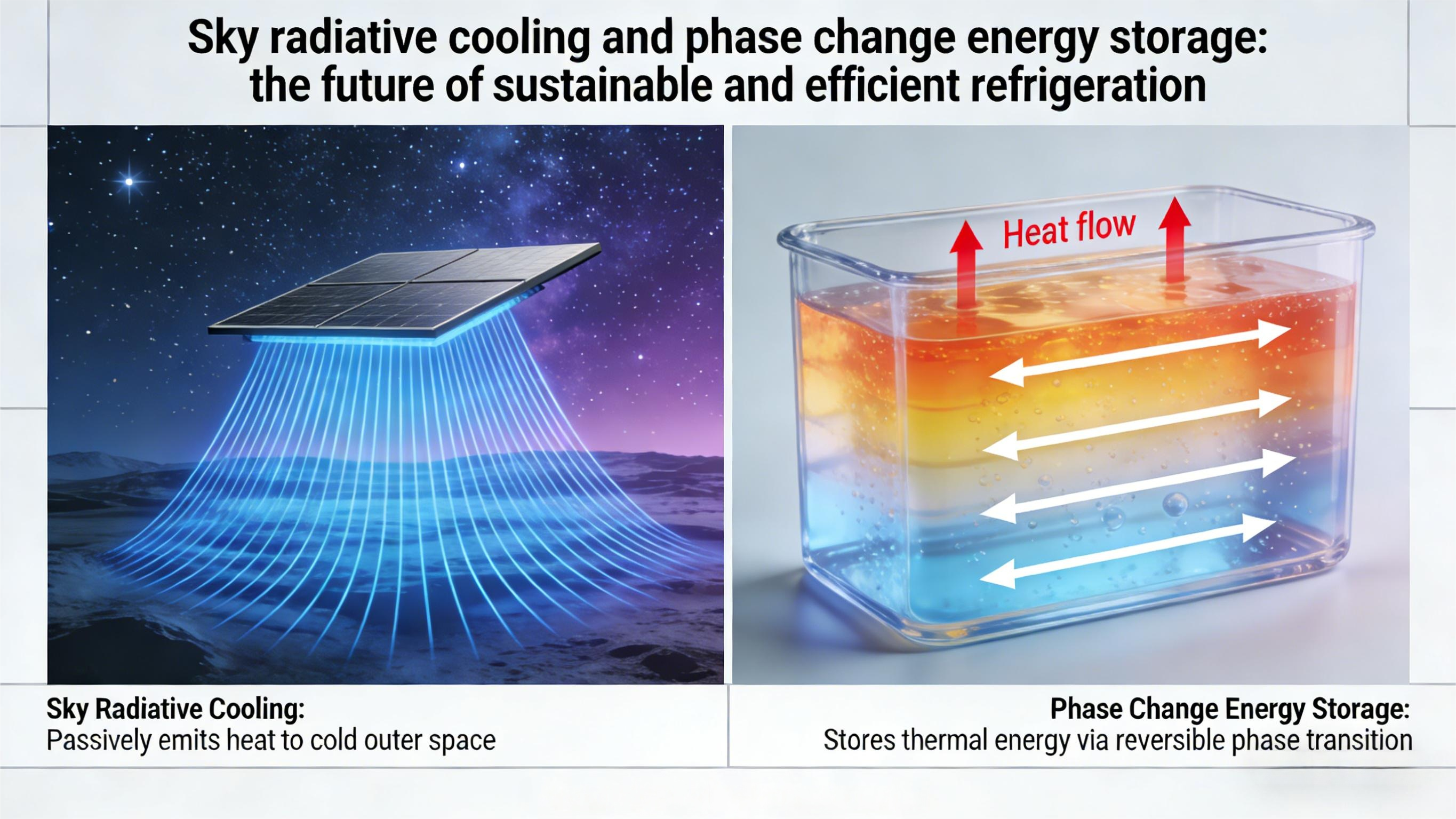
Sky Radiation Cooling operates on the fundamental principle that any object with a temperature above absolute zero emits electromagnetic radiation. The Earth's surface radiates energy in the form of infrared radiation, which can escape through the atmosphere into outer space, particularly within the 8-13 µm wavelength range. This range, known as the “atmospheric window,” is crucial as it allows infrared radiation to travel freely into space, making it an ideal source for cooling.
By combining sky radiation cooling with phase change materials, cooling energy can be captured during the night, when the cooling demand is low, and stored for use during peak daytime hours when energy demand for cooling increases. This process creates an innovative "nighttime cooling storage-daytime release" cycle, helping to balance energy load, reduce reliance on traditional air conditioning, and ultimately lower energy consumption.
The Role of Phase Change Materials in Sky Radiation Cooling
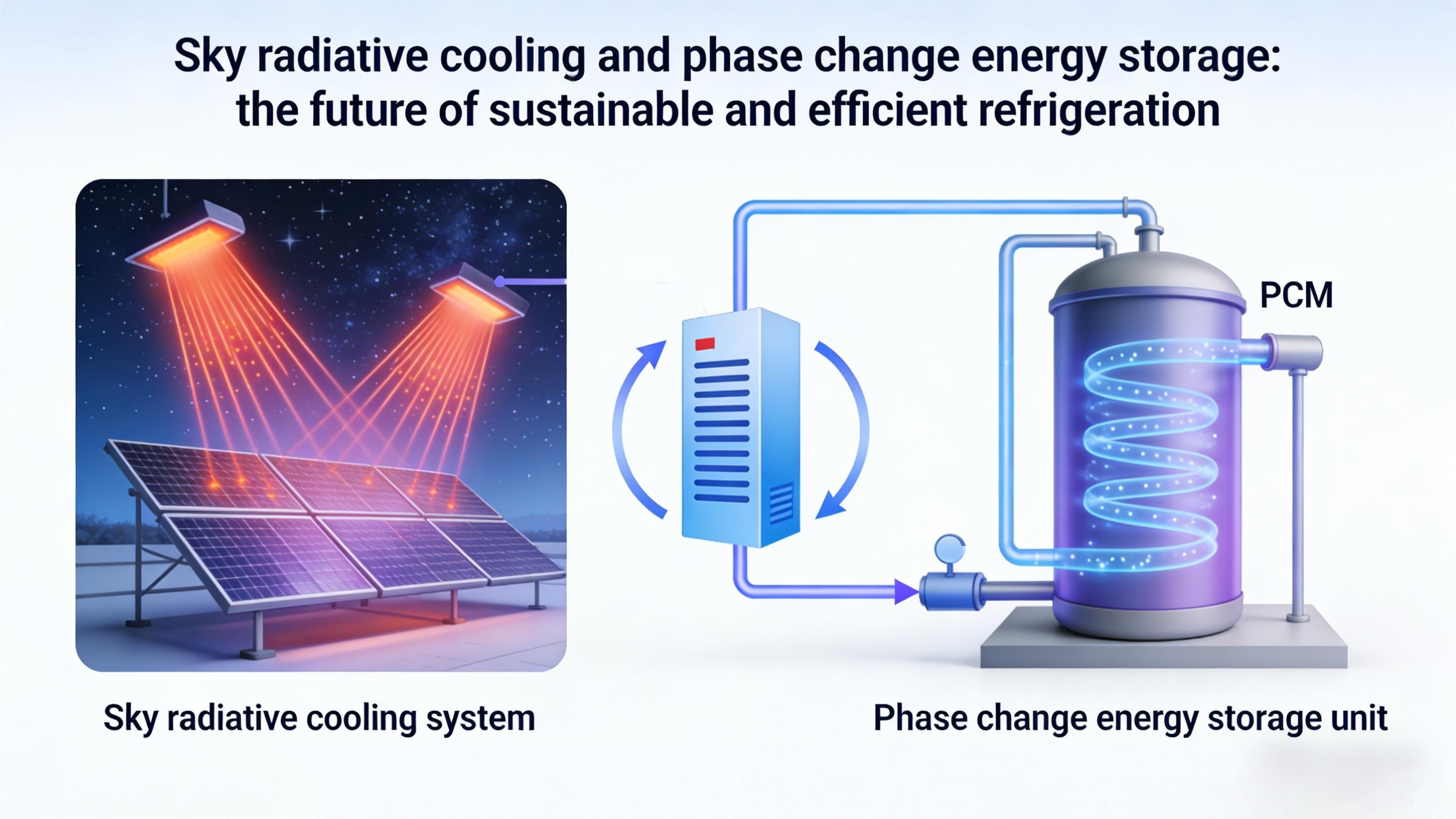
Glacier Coolant specializes in developing and applying advanced phase change materials (PCMs), which play a pivotal role in enhancing sky radiation cooling systems. PCMs absorb and store thermal energy during periods of low energy demand and release it when cooling needs rise. By integrating PCMs into sky radiation cooling systems, the stored cold energy can be released effectively during the day, reducing the burden on conventional air conditioning systems and allowing for more efficient building cooling solutions.
The combination of sky radiation cooling and PCMs allows energy to be captured and stored at night, reducing daytime cooling loads and ultimately minimizing the carbon footprint associated with traditional HVAC systems. This technology enables significant energy savings by lowering the operational costs of cooling, providing an environmentally friendly solution for industries such as data centers, commercial buildings, and manufacturing.
Technological Advancements and Benefits
At Glacier Coolant, our commitment to innovation has led to breakthroughs in thermal management solutions, particularly with sky radiation cooling systems. For example, research teams have developed composite materials that integrate high-reflective layers to reflect up to 97% of solar radiation while maintaining optimal emission properties in the atmospheric window. Under direct sunlight, these systems can achieve a temperature reduction of 4.9°C, with cooling power densities reaching 40.1 W/m². This technology is particularly effective under conditions of direct sunlight, where traditional cooling systems often struggle to maintain efficiency.
The cooling systems designed with sky radiation cooling are efficient even during the nighttime, when cooling demands are lower. The systems utilize phase change materials (PCMs) to store excess cooling energy generated by the sky radiation process. During the day, this stored cooling energy is released to meet high cooling demands, thus reducing reliance on mechanical cooling and improving overall energy efficiency.
A Sustainable Future with Sky Radiation Cooling and PCMs
As we move toward a more sustainable future, sky radiation cooling and phase change materials offer exciting possibilities. By reducing reliance on traditional air conditioning systems, this innovative combination supports the global transition to low-carbon solutions in commercial and industrial buildings. Moreover, the ability to store cooling energy during off-peak hours and release it during peak periods significantly reduces energy costs and improves the reliability of cooling systems.
At Glacier Coolant, we are proud to be at the forefront of this technology. Our PCMs and sky radiation cooling solutions are designed to meet the demands of modern infrastructure while promoting sustainability. As more industries look for ways to reduce their environmental impact, Glacier Coolant is committed to providing innovative solutions that optimize energy consumption and reduce carbon emissions in the building and cooling sectors.