
In low-temperature cold storage facilities, end-tube coils are often used as heat exchangers, with external heat transfer primarily relying on natural convection and radiation. Inside the tubes, refrigerant circulates multiple times, providing phase-change heat transfer. This process enables rapid cooling and temperature recovery. However, when this coil design is applied to a cold storage system with a secondary refrigerant, there are noticeable differences.
The most immediate issue is slower or inadequate temperature reduction. This can be attributed to various factors, including the arrangement of the system's coils, the form of heat exchange tubing, and the properties of the refrigerant. Through laboratory tests conducted by Glacier Coolant in cold storage facilities, several key insights have been gathered regarding the interaction between evaporators, heat exchange coils, different refrigerants, and pumping systems.
Key Findings:
Aluminum vs. Copper Coils: In systems with the same heat exchange area, the cooling time using aluminum coils is noticeably longer than with copper coils. The efficiency of aluminum finned tubes also drops more significantly compared to copper tubes.
Copper vs. Steel Coils: When using the same refrigerant and operating conditions, copper and steel coils exhibit similar cooling times. However, from a cost perspective, using standard seamless steel pipes offers better economic value.
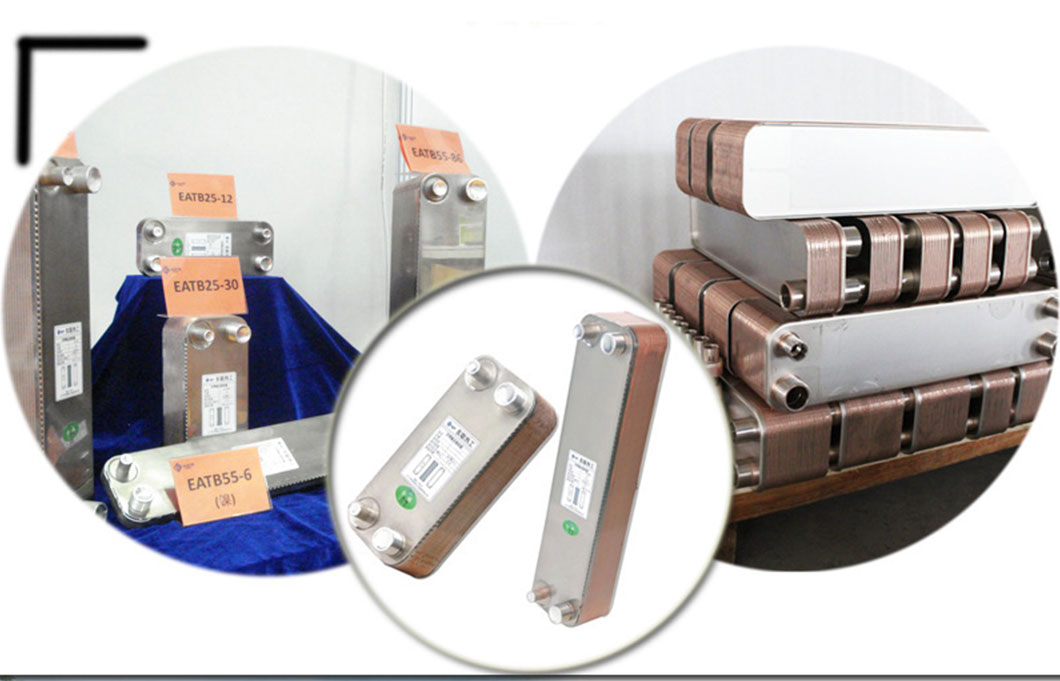
Plate Heat Exchanger Efficiency: Plate heat exchangers are significantly more efficient than shell-and-tube exchangers. The small internal passage in the shell-and-tube type reduces the boundary layer, resulting in lower thermal resistance on the refrigerant side, which increases heat exchange efficiency.
Practical Insights for Cold Storage Design:
Proper Flow Rate and Temperature Control: To optimize performance in cold storage system designs or renovations, ensure that the flow rate in the coils is sufficient, and the temperature drop within the coils is not too large.
Fin-Tube Coils in Coolant Systems: While finned tubes are rarely used in coolant systems, if required, the heat exchange area should be increased by 30% to compensate for their lower efficiency.
Pressure and Pipe Thickness: Most cold storage systems operate at pressures between 2–3 bar. Therefore, pipes with thinner walls can be used, reducing thermal resistance and improving overall efficiency.
Glacier Coolant specializes in providing refrigerants and solutions tailored for cold storage systems, ensuring efficiency and reliability in diverse applications.