
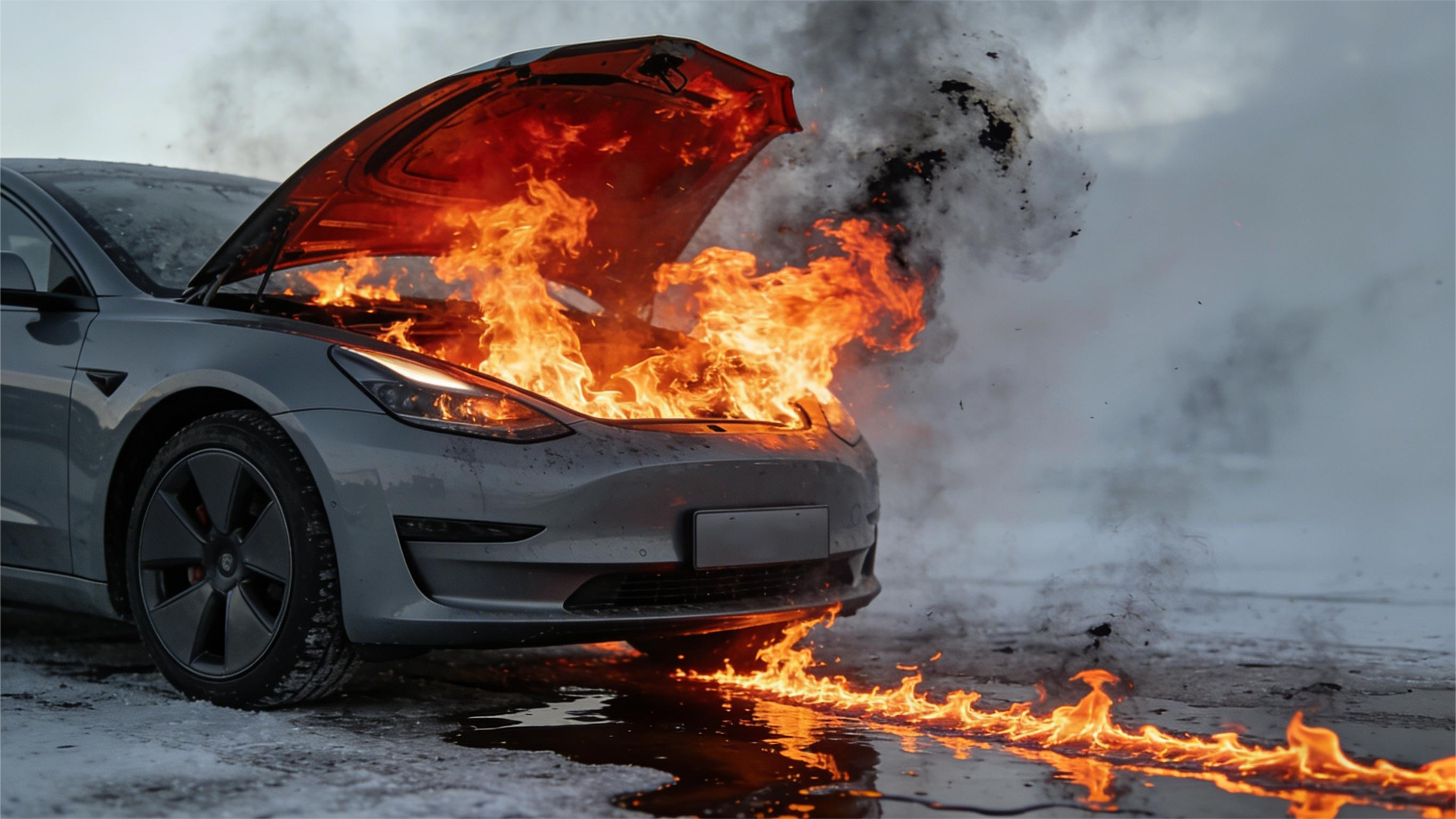
As electric vehicles (EVs) rapidly reshape the global automotive industry, the reliability of thermal management systems is becoming a decisive factor in vehicle safety and performance. Recent industry incidents have drawn attention to a previously underestimated component: coolant and heat transfer fluids.
Although coolant represents only a small fraction of a vehicle’s total cost, its impact on system stability, battery safety, and long-term durability is far greater than its price suggests. In modern EV architectures, coolants are no longer simple antifreeze liquids; they function as critical heat transfer media that regulate battery temperature, protect metal components, and ensure electrical insulation under extreme operating conditions.
Corrosion and Compatibility: A Hidden Risk in EV Cooling Systems
One of the most significant challenges in EV cooling systems is material compatibility—especially in circuits containing aluminum and multi-metal components. Aluminum, widely used in battery cooling channels due to its lightweight properties, is highly sensitive to corrosion if the coolant formulation is inadequate.
When corrosion protection systems degrade over time, micro-leakage can occur within cooling circuits. This not only reduces heat dissipation efficiency but may also lead to coolant infiltration into battery modules. Under certain conditions, increased conductivity and insulation failure can trigger protective shutdowns—or, in extreme cases, thermal runaway.
These risks highlight a critical industry gap: traditional antifreeze formulations are often not optimized for the complex material environment of next-generation EV systems. Long-term corrosion inhibition, stable chemical performance, and low electrical conductivity are becoming essential performance benchmarks rather than optional features.
Thermal Performance: Beyond Cooling Capacity
In EV battery systems, insufficient heat transfer performance can lead to localized overheating, accelerating degradation and increasing safety risks. From a fluid engineering perspective, two primary factors can undermine cooling efficiency:
Reduced coolant flow due to corrosion deposits or channel blockage.
Coolant loss caused by material degradation and leakage.
Both issues ultimately compromise thermal stability and increase the probability of battery overheating.
The Shift Toward High-Performance Heat Transfer Fluids
As EV technology evolves, the industry is moving toward advanced heat transfer fluids engineered specifically for high-density thermal systems. These next-generation coolants emphasize multi-metal corrosion protection, chemical stability, and optimized thermal conductivity over extended service life.
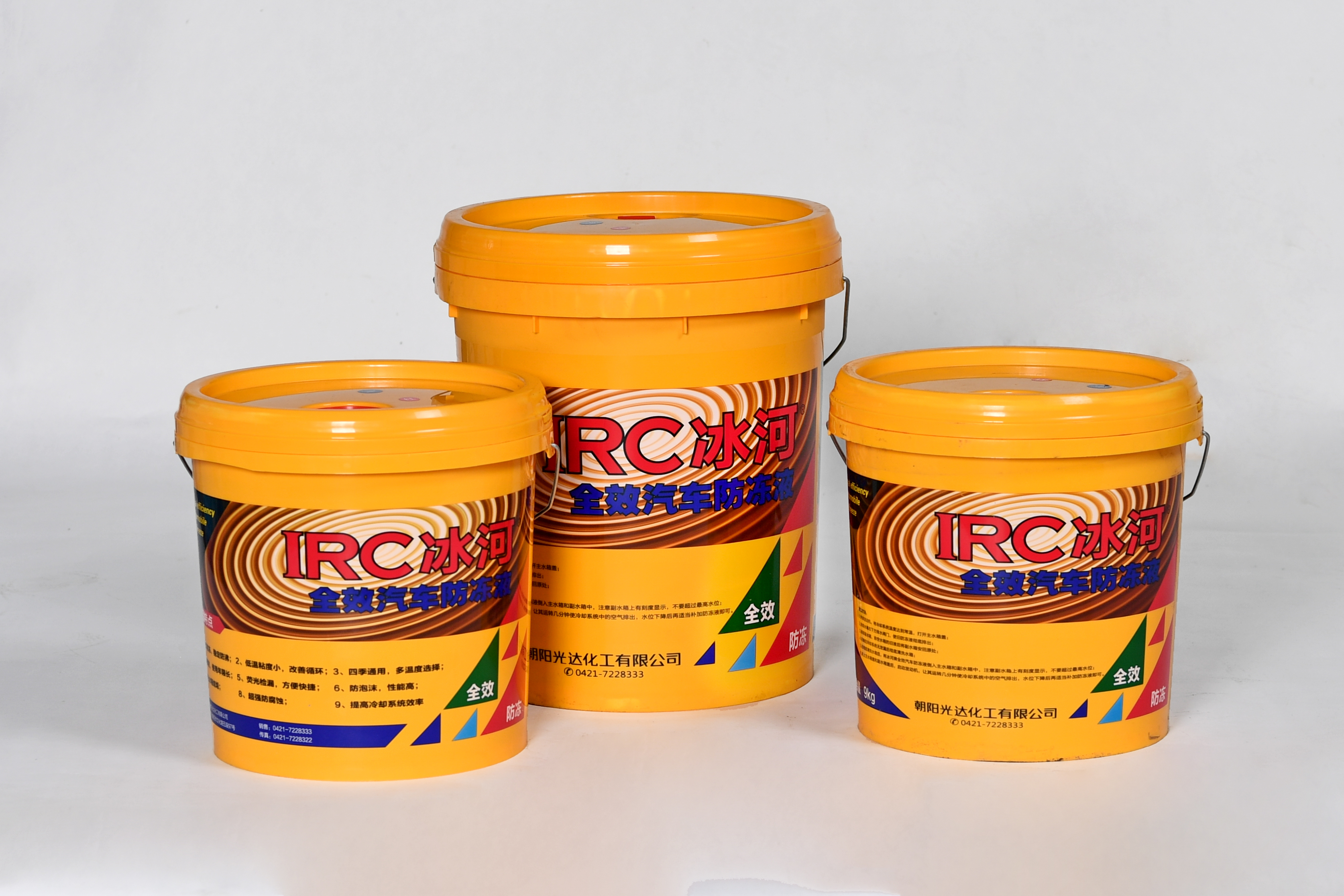
Glacier Coolant, a specialized developer of heat transfer fluids and secondary refrigerants, is actively addressing these challenges through advanced formulations designed for demanding industrial and automotive applications. With a strong focus on corrosion resistance, material compatibility, and long-term thermal efficiency, Glacier Coolant provides solutions tailored for the increasingly complex thermal requirements of electric mobility.
Toward Predictive Maintenance and Intelligent Cooling Systems
Looking ahead, the industry is expected to adopt more proactive approaches to coolant management. Real-time monitoring of key parameters such as pH value, conductivity, and inhibitor concentration could become standard practice in EV maintenance. Combined with periodic fluid analysis, these measures have the potential to significantly reduce safety risks and extend system lifespan.
As electric vehicles continue to advance, the role of coolants is shifting from auxiliary materials to strategic technologies. The future of EV safety and performance will increasingly depend on the evolution of high-performance heat transfer fluids—and the expertise of companies dedicated to their innovation.