

Liquid Cooling Fluids Become a Key Lever for High-Density Data Center Efficiency
Advanced Cold Plate Liquid Cooling Fluids Reduce Cost and Improve Efficiency in Data CentersAs data centers continue to scale in computing density and power consumption, thermal management has become a critical factor in ensuring system stability, energy efficiency, and long-term reliability. Liquid···
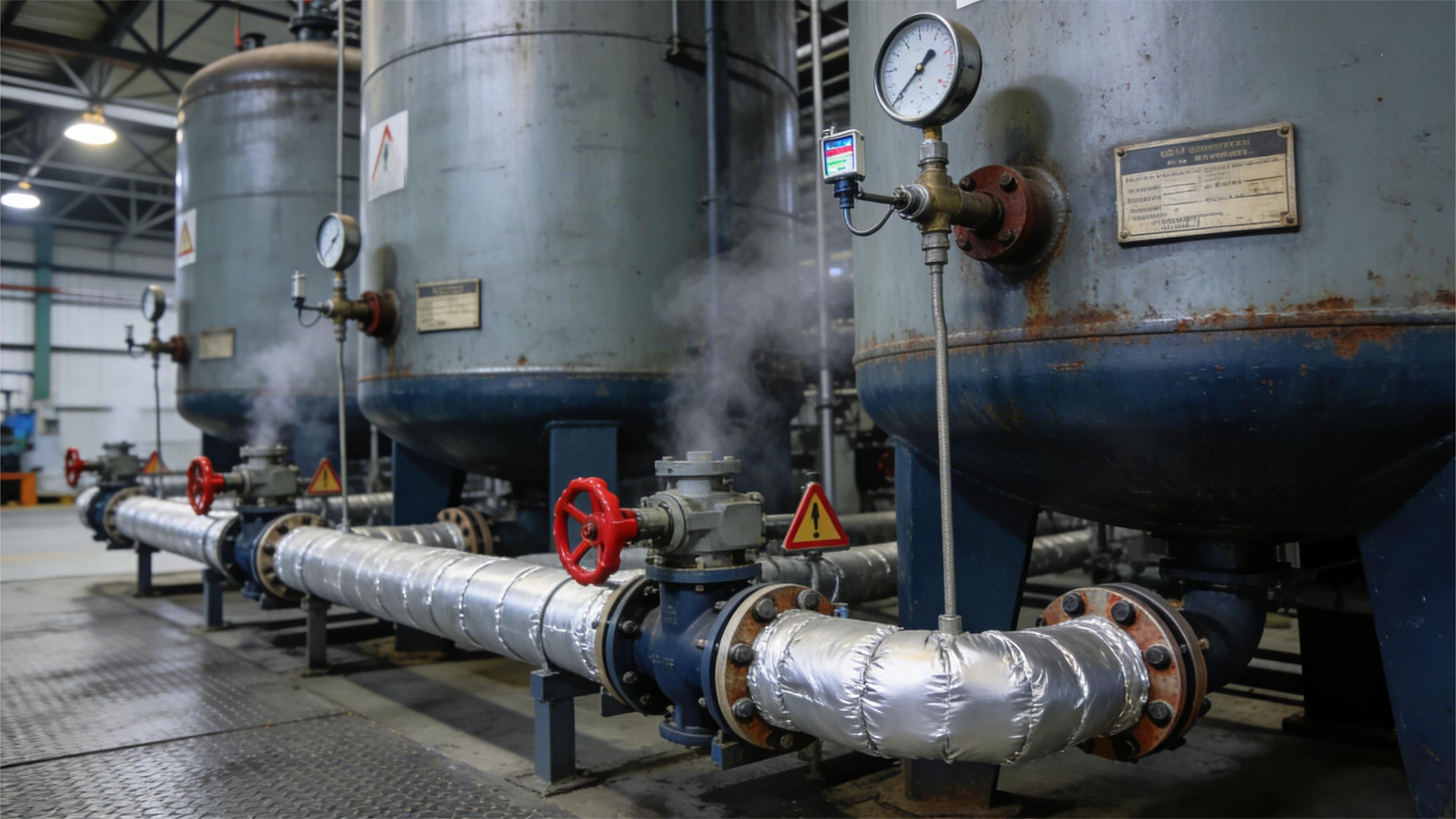
The Critical Points of Cold Storage Thermal Energy Storage Systems
Thermal Energy Storage Brings New Flexibility to Cold Storage OperationsAs power grids around the world face increasing pressure from peak demand and renewable energy fluctuations, thermal energy storage is emerging as an important tool for flexible energy management. While universities and research···

Comprehensive Lifecycle Testing Protocol for Secondary Coolants
Secondary coolant systems require annual sampling and testing throughout their operational lifespan. In accordance with the testing procedures established by Glacier Coolant, each sample must undergo a full performance assessment and formulation analysis to ensure optimal system function.Concentrati···

Peak Shaving in Cold Storage with Phase Change Thermal Storage
Phase Change Thermal Storage Brings Peak-Shaving Capability to Direct Expansion Cold StorageIn modern cold chain logistics, reducing electricity costs while maintaining temperature stability remains a critical challenge. While indirect refrigeration systems have long adopted thermal storage tanks to···

What should I do if water gets into the coolant?
Water Intrusion: The Hidden Threat to Refrigeration Coolants and How to RespondIn industrial refrigeration and cold chain logistics, the stability of secondary coolants directly impacts system safety and efficiency. Yet a common and often overlooked issue—water ingress into coolant systems—can tri···
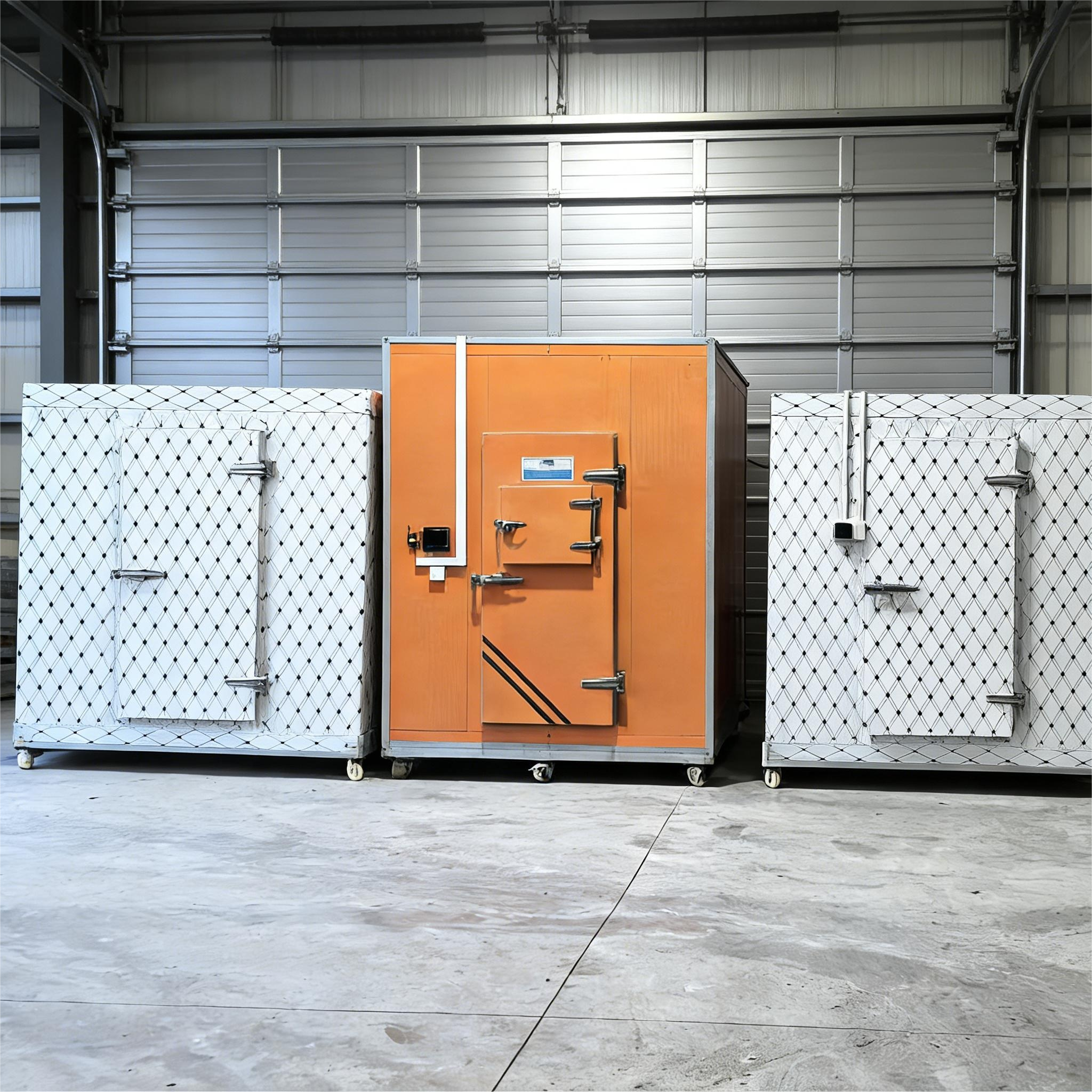
Refrigerant flash point
The Hidden Risks in Cold Storage: Why Refrigerant Flash Points MatterWith the renovation of ammonia-based cold storage facilities, indirect refrigeration systems have become a key focus. These systems concentrate refrigeration equipment in a small area, use shorter refrigerant lines, and reduce the ···
Exploring boundary layer effects and low-resistance transport solutions
New Coolant and Pipeline Technologies Help Cut Pumping Energy in Industrial RefrigerationIn industrial refrigeration systems, pumping power has long been an overlooked source of energy consumption. As cold storage capacity expands and low-temperature processes become more common, reducing transport ···

Glacier Coolant LM-XR Phase Change Thermal Storage Materials—A Green Revolution in Building Insulation
Amid the dual challenges of global climate change and the energy crisis, the construction industry, as a major energy consumer, is undergoing unprecedented transformation. While pursuing comfortable living environments, architects and developers are now tasked with achieving high efficiency and ener···
Sky Radiative Cooling and Phase Change Energy Storage: Pioneering Sustainable Thermal Management
Theoretical Foundation and Technical PrinciplesFrom the perspective of thermal physics, all objects with temperatures above absolute zero continuously emit and absorb electromagnetic radiation. This bidirectional energy exchange constitutes a fundamental form of natural energy flow. As a critical co···

Strategic Guidance on Pump Specification for Efficient Refrigeration Circulation Systems
In modern industrial cooling setups that depend on a secondary coolant, the pump stands as a critical component, alongside heat exchangers. While exchangers are usually engineered by manufacturers using specialized software, the selection and sizing of the pump commonly rest with system designers. T···