
In the pursuit of crafting premium wines, precise temperature control during juice clarification and fermentation is crucial. Moreover, newly fermented and filtered wines often contain colloidal substances, tartrates, and polyphenols, which can cause haze or sediment formation with significant temperature fluctuations, ultimately compromising sensory quality and flavor. The fermentation process itself generates substantial heat, which, if unmanaged, can adversely affect the final product.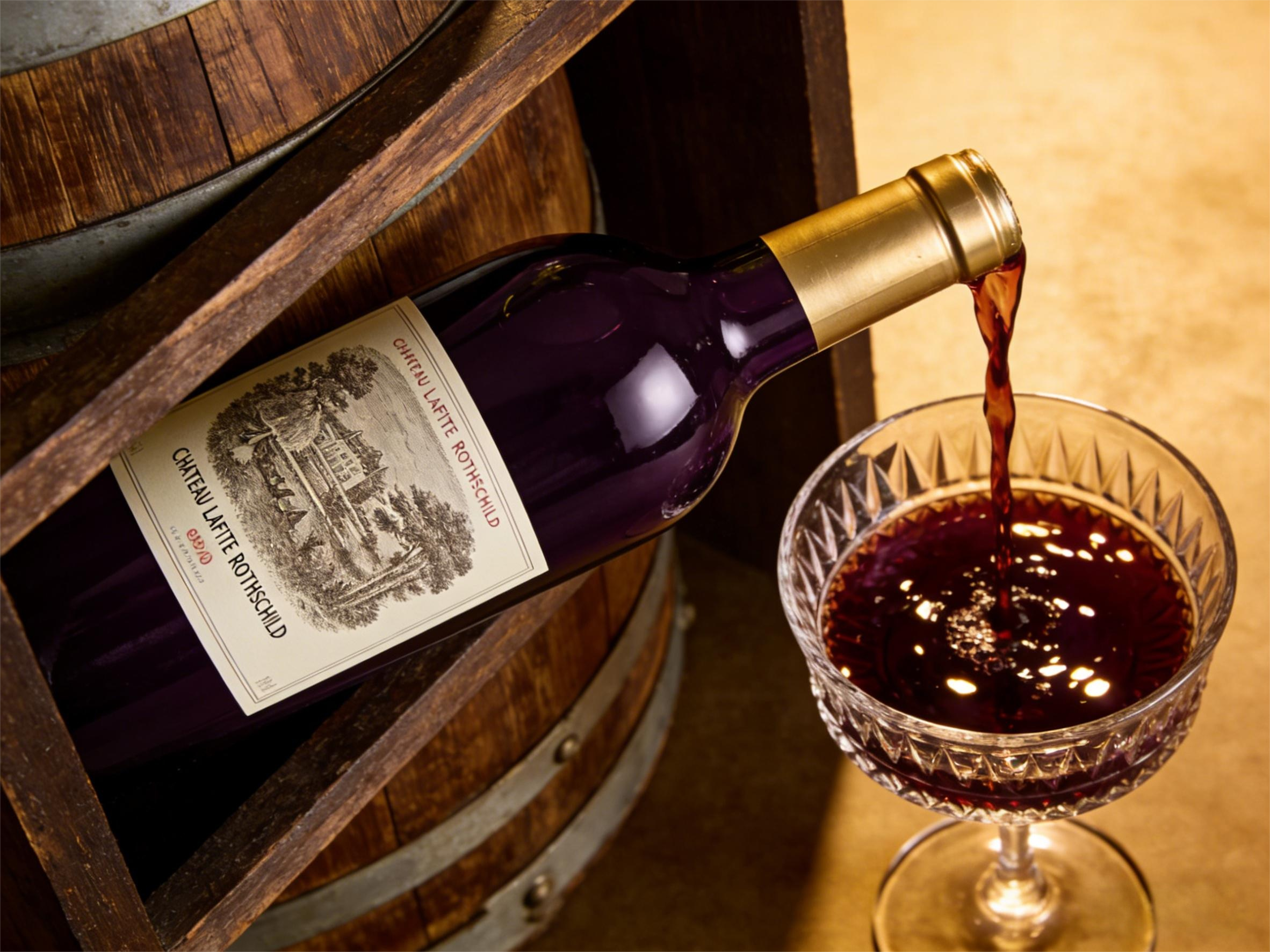
To meet these critical technical demands, the adoption of professional cooling systems has become essential. Traditionally, glycol-based coolants such as ethylene glycol and propylene glycol have been widely used for their effective cooling and temperature maintenance. However, over time, these substances can lead to system corrosion, raising the risk of coolant leakage into the wine. While many wineries have shifted to less toxic propylene glycol, it comes at a cost—typically three to four times higher than ethylene glycol—without fully resolving corrosion issues.
Enter Glacier Coolant, a specialized refrigerant that has been successfully implemented in numerous wineries. Offering a reliable alternative, it effectively addresses equipment corrosion concerns while enhancing operational efficiency. Among its product line, the LM-4 type refrigerant stands out as a particularly advantageous option. Not only is it more affordable than propylene glycol, but it also outperforms it in key thermal properties, including specific heat capacity, thermal conductivity, and viscosity. This results in lower energy consumption and reduced operational costs.
In modern wine production, temperature precision is key at various stages: clarification is typically conducted at around 5°C, red wine fermentation at 24–26°C, and white wine fermentation at 19°C. Additionally, a cold stabilization process, where wine is cooled to -5°C and held for about 15 days, helps enhance stability, improve sensory profile, and reduce astringency.
The Glacier Coolant system enables accurate and consistent temperature control across all these phases, supporting wineries in maintaining high product quality while optimizing energy use and minimizing expenses. As a result, it is increasingly becoming the coolant of choice for producers committed to excellence and sustainability in winemaking.