
The Hidden Risks in Cold Storage: Why Refrigerant Flash Points Matter
With the renovation of ammonia-based cold storage facilities, indirect refrigeration systems have become a key focus. These systems concentrate refrigeration equipment in a small area, use shorter refrigerant lines, and reduce the amount of refrigerant required, thereby lowering safety risks and regulatory demands for pressure equipment. Cooling is delivered via a secondary coolant, keeping refrigerant away from personnel areas and significantly improving system safety. Such systems are increasingly
adopted in commercial refrigeration projects.
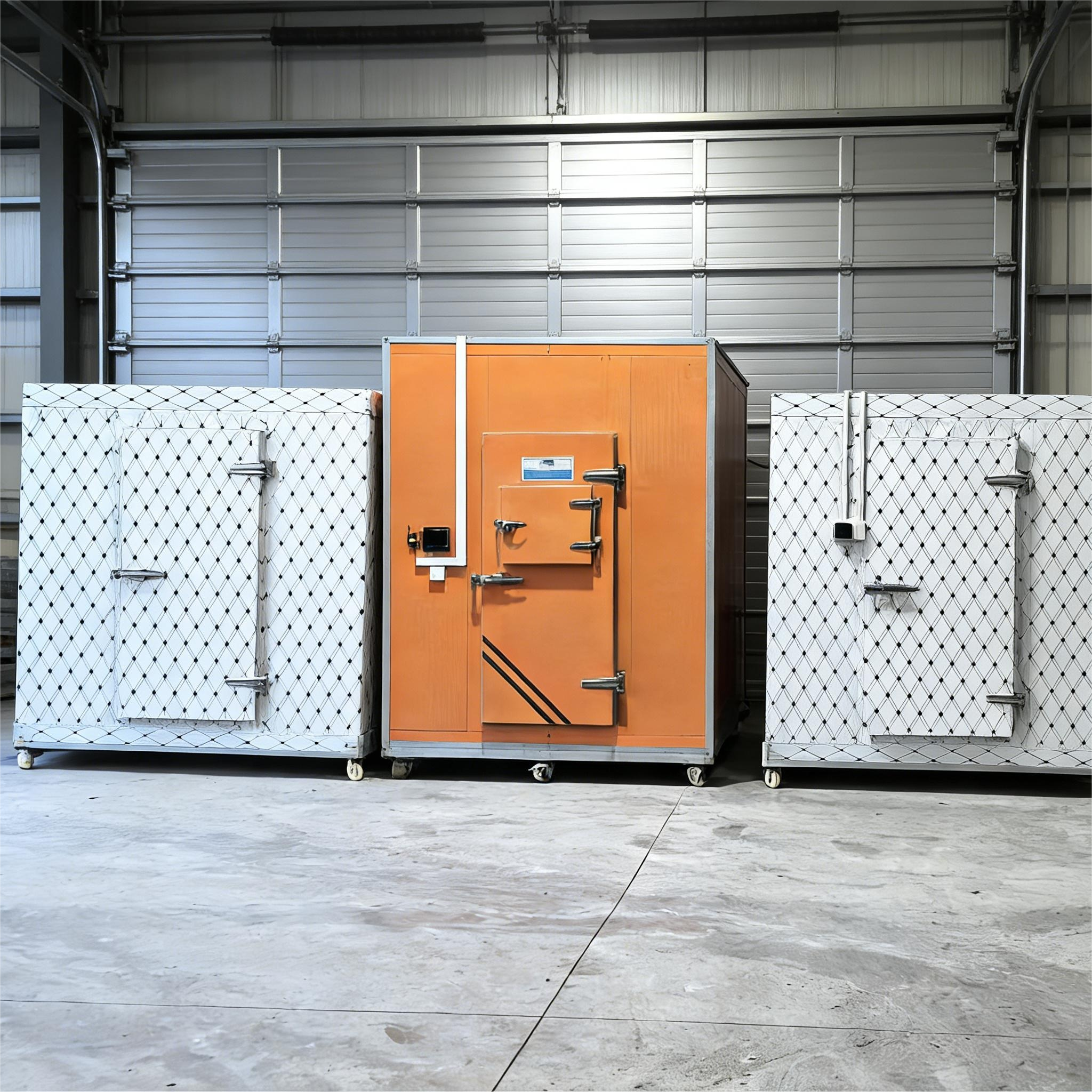
So, what makes a coolant suitable for cold storage? Based on industry cases, two main types are in use today, alongside one outdated category. The most common is modified ethylene glycol-based LM-4, suitable for cold storage around -18°C, with supply/return temperatures of -30°C/-25°C. For lower temperatures, LM-8 is used, supporting supply temperatures down to -45°C. While these can theoretically operate at even lower temperatures, viscosity increases sharply below -30°C to -45°C, raising energy consumption and reducing overall system efficiency.
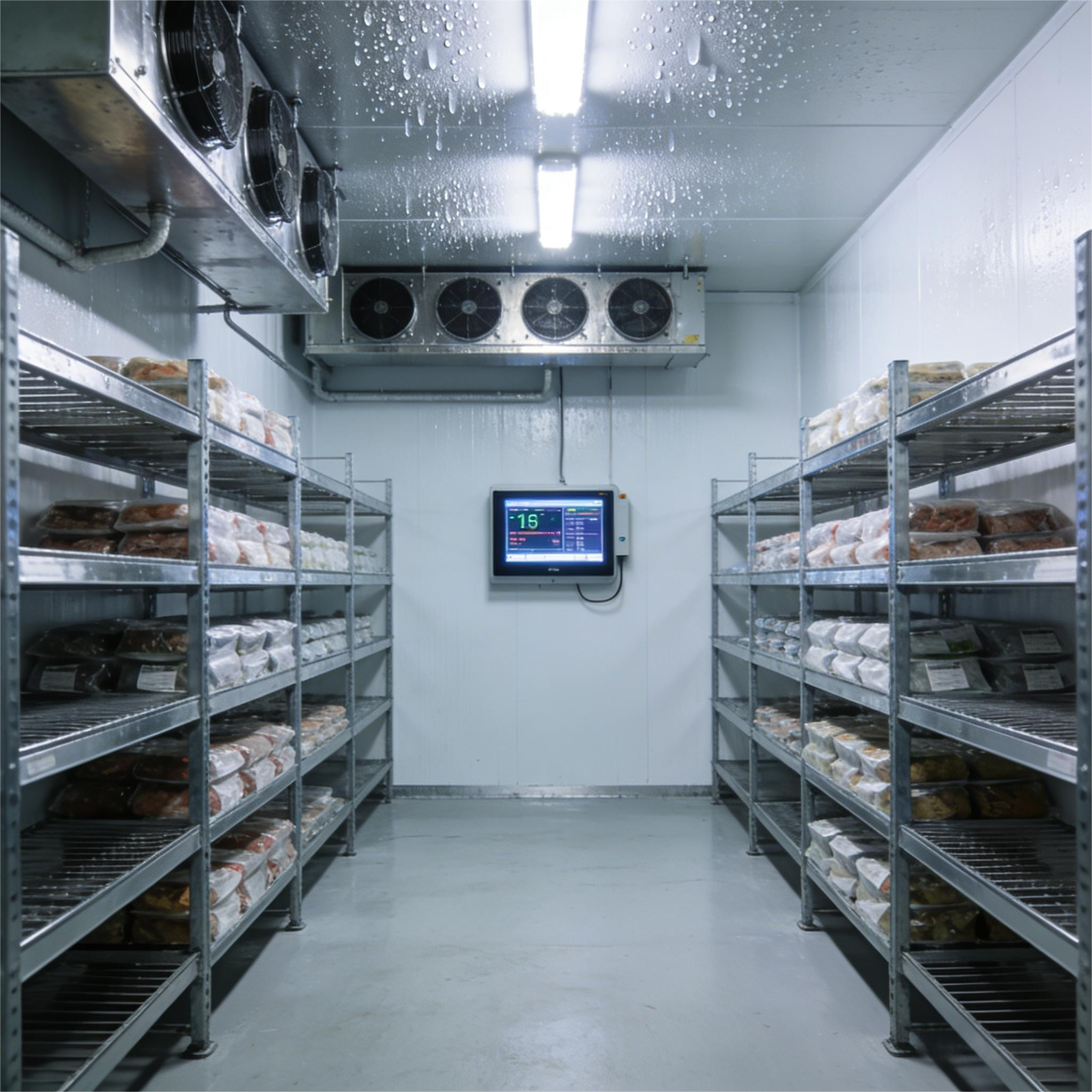
An earlier discontinued product could reach -60°C with low viscosity and energy use, making it technically ideal. However, it had one major flaw: a flash point below 30°C, classifying it as a hazardous material. Although cold storage design codes remain relatively lenient, safety-conscious manufacturers avoid such coolants in non-explosion-proof environments.
In a competitive market, some “cost-effective” coolants have entered cold storage applications, showing good cooling performance and fluidity at low temperatures. However, lab tests reveal that many have flash points below 40°C, posing significant risks. In confined spaces, even small static sparks could trigger an incident. Some suppliers claim their products are non-flammable, even demonstrating with a flame—a misleading practice similar to trying to ignite low-alcohol drinks. The real danger lies in vapor accumulation, which can ignite at low concentrations with minimal ignition sources.
Cold storage operators are advised to verify the flash point of their coolants and implement strict explosion-proof measures if risks are present. Professional third-party testing is available to ensure safe and reliable system operation.