Water Intrusion: The Hidden Threat to Refrigeration Coolants and How to Respond
In industrial refrigeration and cold chain logistics, the stability of secondary coolants directly impacts system safety and efficiency. Yet a common and often overlooked issue—water ingress into coolant systems—can trigger a chain of problems: from equipment corrosion and freezing point failure to chemical decomposition and even safety incidents.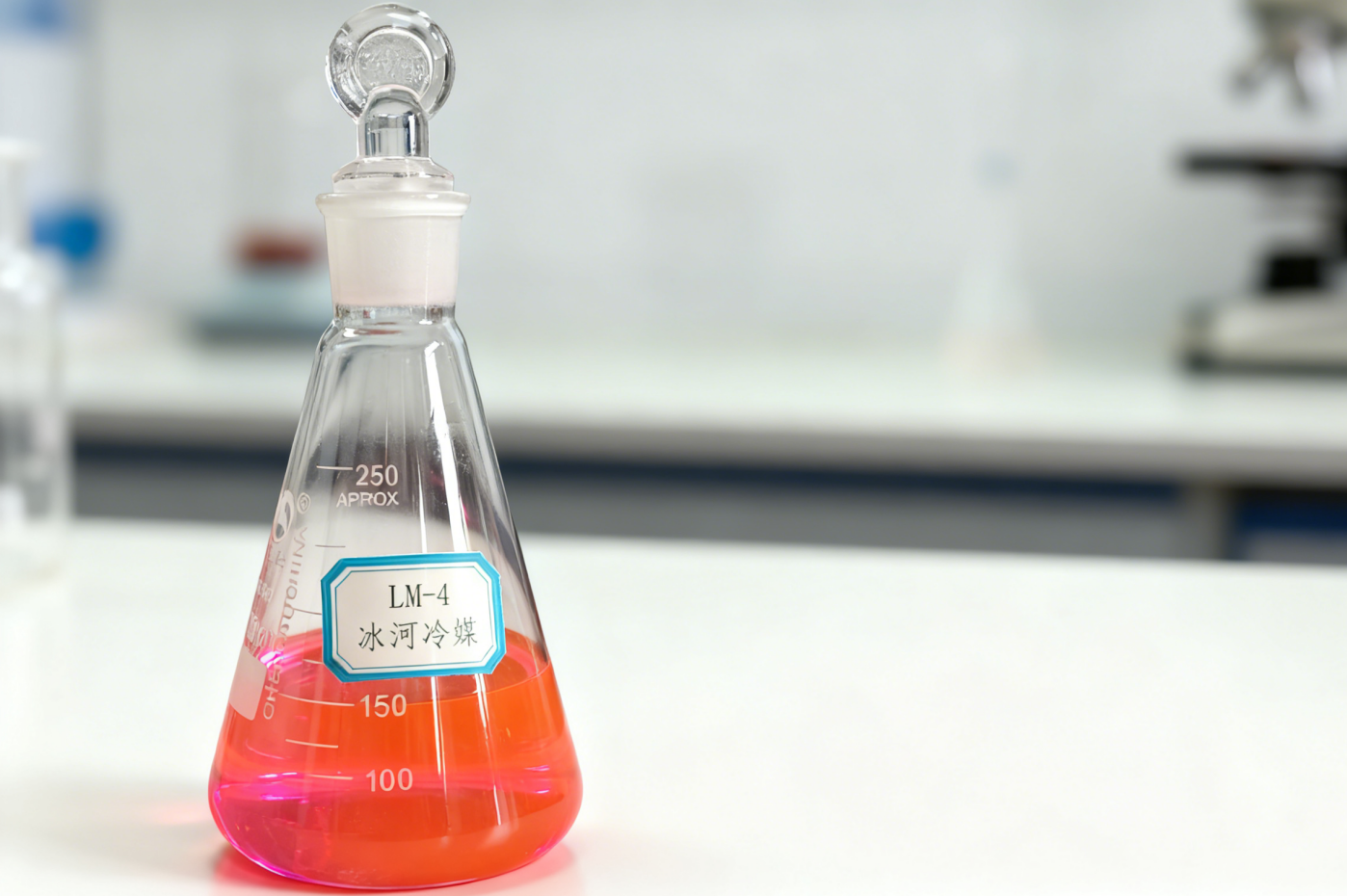
Water typically enters coolant systems through seal failures, improper operations, or environmental humidity. Different coolants respond differently to moisture:
Alcohol-based solutions (e.g., glycol): Water dilutes the solution, raising the freezing point and risking ice blockage in pipelines under low temperatures.
Brine solutions: Altered concentration affects heat transfer efficiency and accelerates metal corrosion.
Organic coolants: Some types may hydrolyze upon contact with water, producing corrosive or toxic substances such as hydrochloric acid or phosgene.
A scientific response generally involves:
System isolation and diagnosis: Accurate moisture detection using tools like the Karl Fischer titrator;
Water separation and regeneration: Methods such as distillation, adsorption, or chemical drying chosen based on coolant type;
System flushing and protection upgrades: Purging pipelines with dry gas, installing online humidity sensors and molecular sieve dryers.
Prevention is better than cure. It is recommended that companies adopt closed-loop systems, nitrogen sealing, and establish regular testing and maintenance protocols—especially in sectors with high purity requirements such as food and pharmaceutical cold chains.
Industry experts note that while some coolant suppliers claim their products are “water-resistant” or “maintenance-free,” all coolants can face moisture accumulation over time. Choosing reliable technical support and implementing continuous monitoring are key to ensuring long-term system stability.