

How Often Should You Test Your Heat Transfer Fluid?
How Often Should You Test Your Heat Transfer Fluid?A loop ran clean for three years. Then the process temperature started drifting two degrees a week, and nobody could say why. The fluid in the sight glass still looked fine.We see this shape often. Not because the fluid fails without warning, but be···

Which Side Does Your Coolant Take? Tube Side, Shell Side, and Where the Resistance Sits
Which Side Does Your Coolant Take? Tube Side, Shell Side, and Where the Resistance SitsPutting a secondary refrigerant on the wrong side of a shell-and-tube exchanger costs efficiency that extra surface area will not buy back. The placement rules, and what each side can then do.Ask which side of a s···
What a Photothermal Phase-Change Layer Adds Beyond Thicker Insulation
What a Photothermal Phase-Change Layer Adds Beyond Thicker InsulationDoubling insulation halves the rate of heat loss but never changes the temperature you end up at. Where a photothermal phase-change layer helps, and the five questions that say whether you need one.Ask a site engineer why the insul···
Where the Coolant Actually Works in a Data Centre: Three Loops, Three Different Jobs
Where the Coolant Actually Works in a Data Centre: Three Loops, Three Different JobsA data centre runs coolant in three separate loops with three different jobs. What each loop asks of the fluid, why one campus ends up with two grades, and how to match them.Where the Coolant Actually Works in a Data···
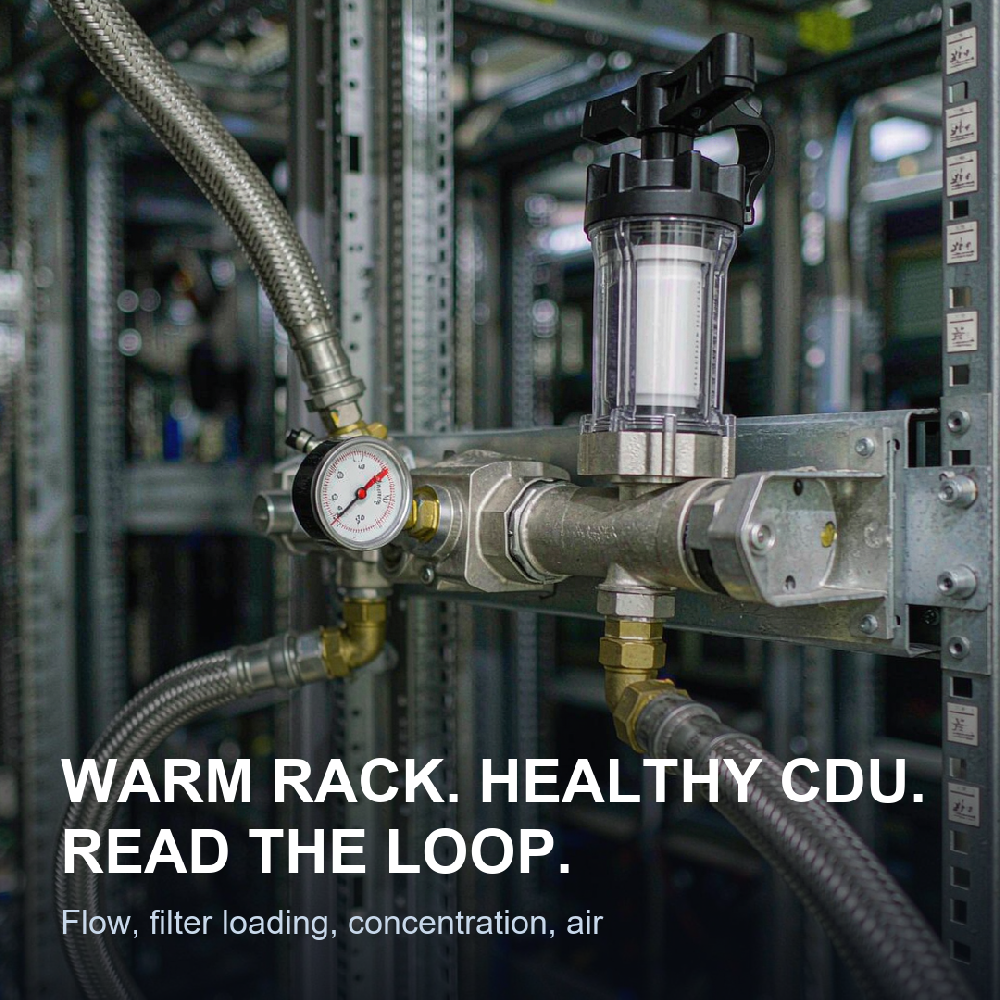
When a Liquid-Cooled Rack Runs Warm: Reading the Loop Before You Blame the CDU
When a Liquid-Cooled Rack Runs Warm: Reading the Loop Before You Blame the CDUA warm rack is rarely a CDU fault. Read the loop first: flow, filter loading, concentration, particles and air. A field order for diagnosing coolant problems in direct-to-chip cooling.A rack that runs warm is rarely a CDU ···
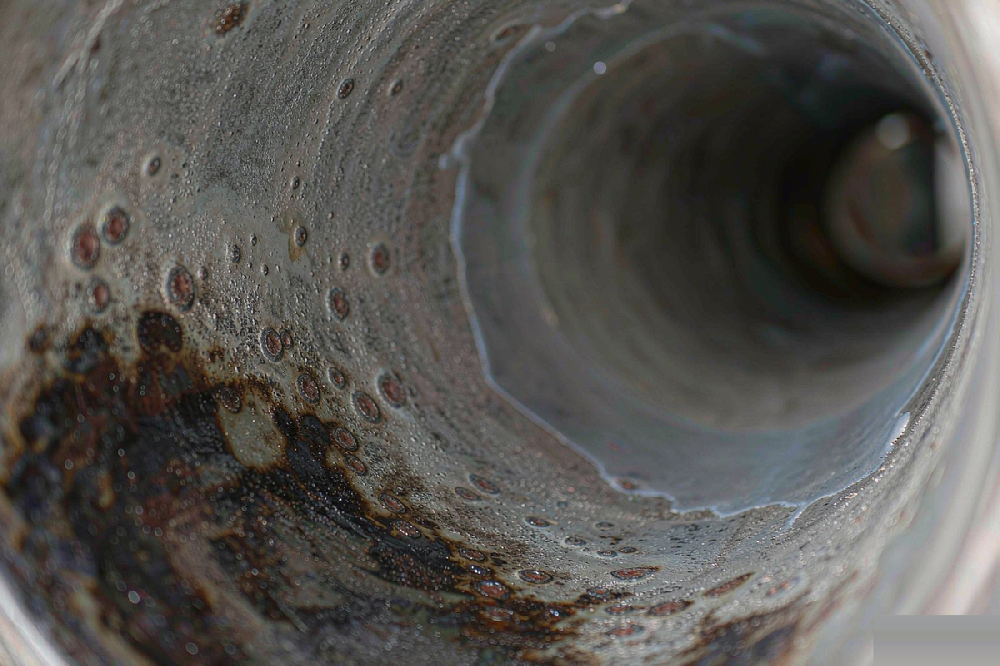
Galvanic Corrosion in Cooling Loops: Why the Fluid Takes the Blame
Galvanic Corrosion in Cooling Loops: Why the Fluid Takes the BlameWhy a leak is rarely the fluid's fault. The 50 mV rule, anode-to-cathode area ratio, where oxygen gets in, and the three fixes in the order that works.The fluid takes the blame because it is the thing you bought. In the loops we g···
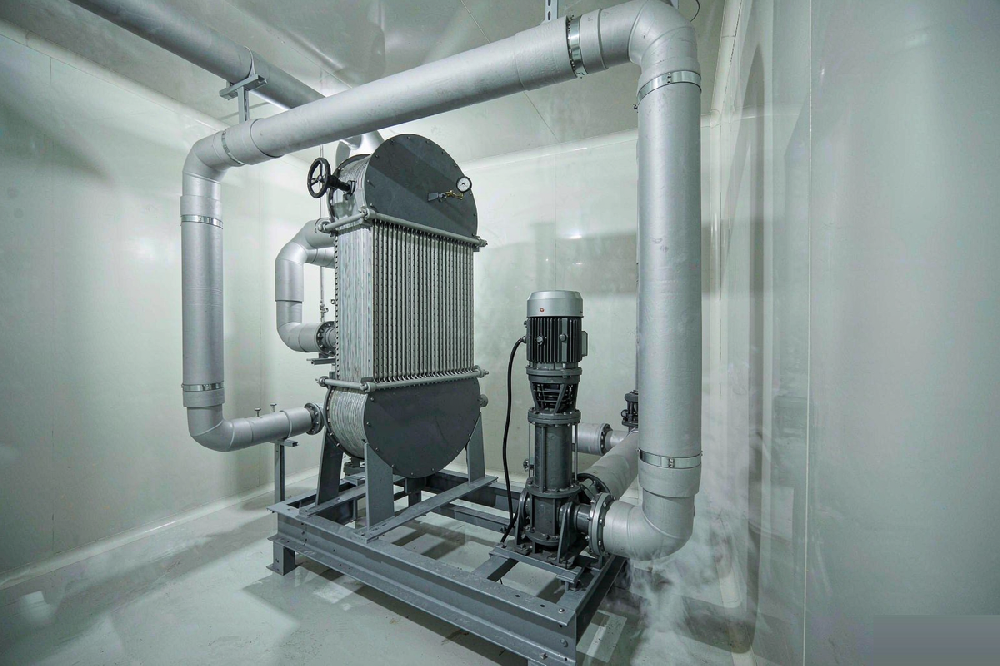
Why Your Chiller Works but Your Process Won't Get Cold
Why Your Chiller Works but Your Process Won't Get Cold: 119 Secondary Refrigerant Failures, Sorted by CauseYour compressor is doing its job. Suction pressure sits where it always has. But the jacket on your reactor is six degrees warmer than spec, and nobody on shift can tell you why.We get this···
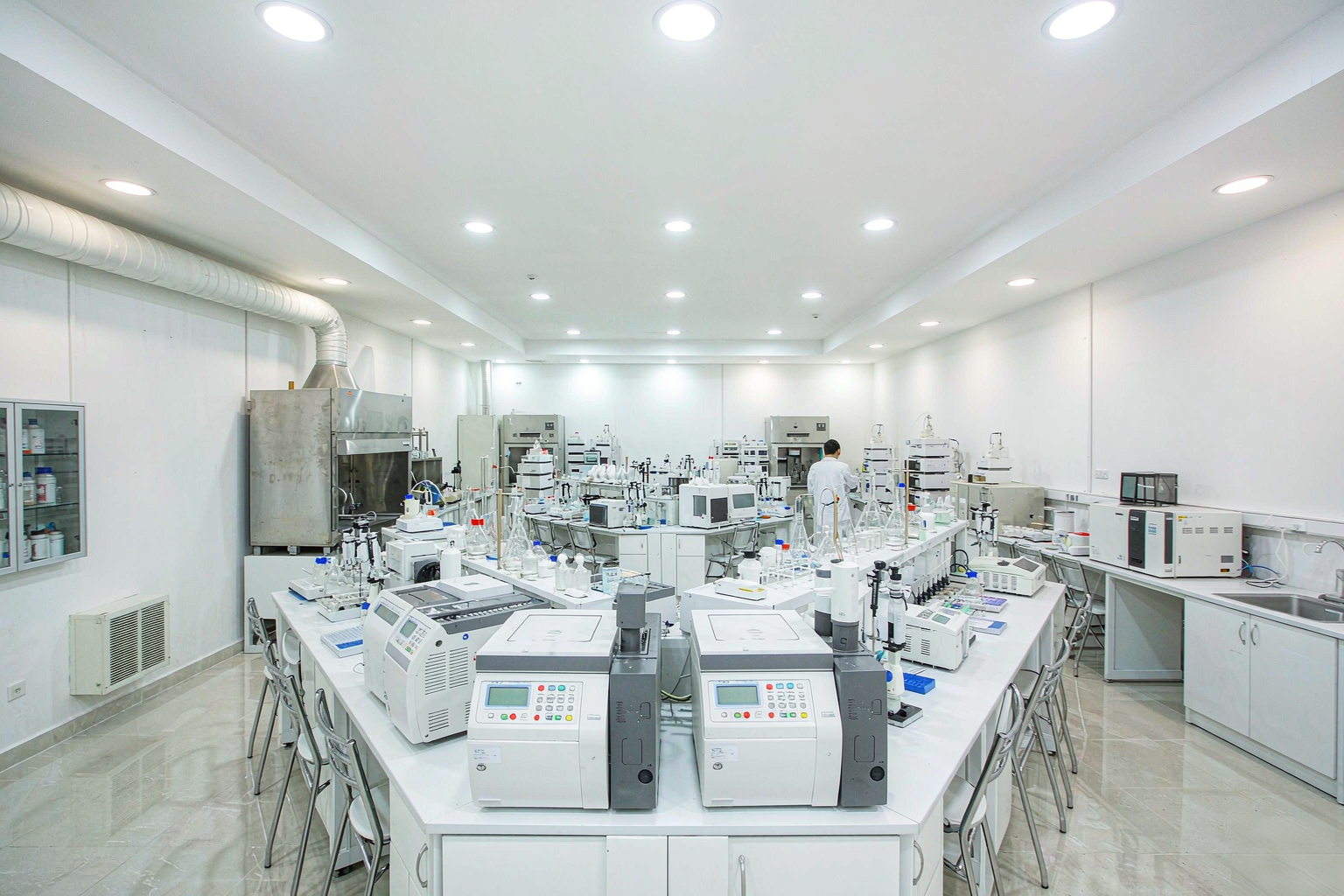
Beyond the Cold Chain: Ten Places You Didn't Expect to Find Phase Change Coolants
Beyond the Cold Chain: Ten Places You Didn't Expect to Find Phase Change CoolantsAsk most people what a phase change material is for and you will get roughly the same answer: keeping vaccine boxes and seafood shipments cold on the way to their destination. It is a reasonable impression, and it i···
Glacier Coolant Expands Phase Change Storage Portfolio with -32°C to 115°C Range Coverage
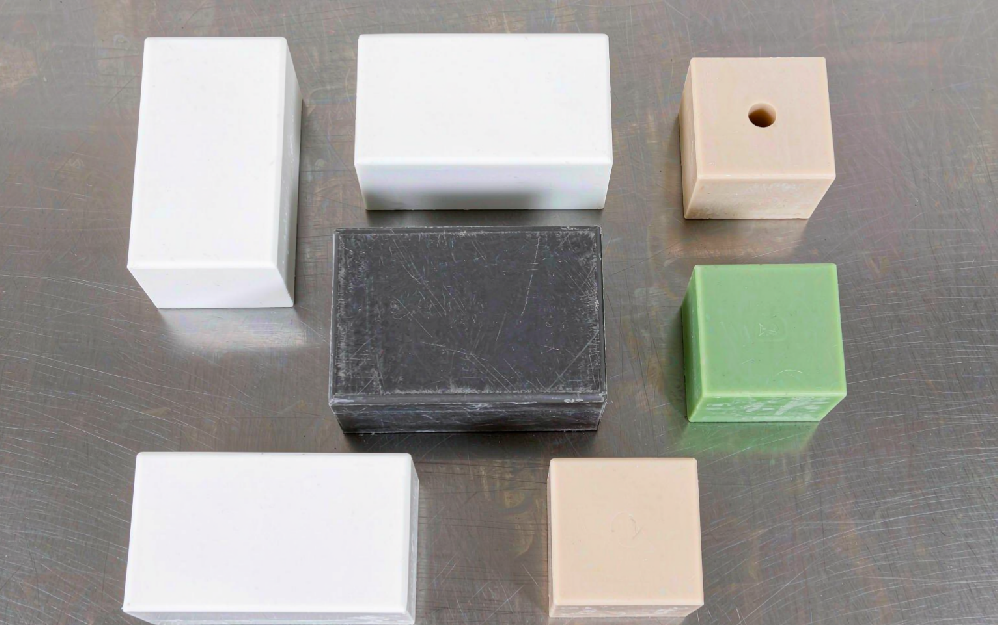
Glacier Coolant Expands Phase Change Storage Portfolio with -32°C to 115°C Range CoverageGlacier Coolant, a global supplier of cooling media and thermal energy storage materials, announced today that it has completed a major expansion of its phase change material product line, achieving continuous···
Dry Ice vs. Reusable Coolants: Why Forward-Thinking Cold Chains Are Making the Switch
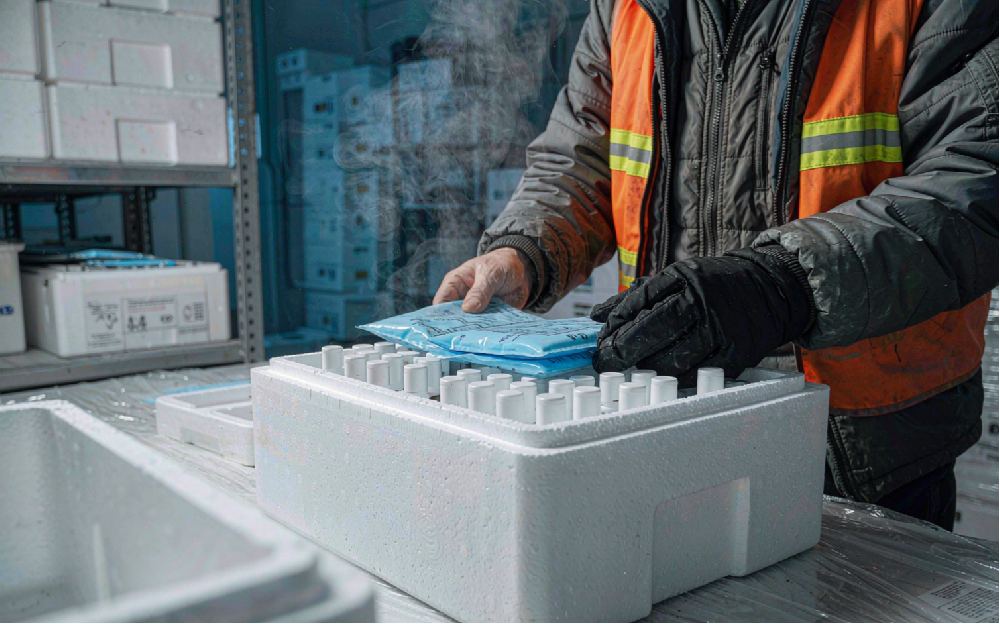
Dry Ice vs. Reusable Coolants: Why Forward-Thinking Cold Chains Are Making the SwitchAsk anyone who's run a long-haul cold chain shipment and they'll have a dry ice story. The logistics manager who calculated consumption rates for a pharmaceutical payload, loaded accordingly, and watched the···