
Ask most people what a phase change material is for and you will get roughly the same answer: keeping vaccine boxes and seafood shipments cold on the way to their destination. It is a reasonable impression, and it is about a tenth of the story. Once you stop thinking of a phase change material as an upgraded ice pack and start thinking of it as a substance that holds a chosen temperature while absorbing or releasing a large amount of heat, the list of places it shows up gets considerably longer.
The mechanics are simple enough. A phase change material is formulated to melt or solidify at a specific setpoint. While the transition is underway, the material stays at that temperature and soaks up or gives off latent heat — far more per unit volume than warming or cooling an ordinary liquid or solid. Glacier Coolant's formulations span setpoints from minus 32 degrees Celsius to 115 degrees Celsius, which is why one underlying technology ends up inside a pharmaceutical shipper and inside an industrial heat recovery loop. What follows is a tour of ten applications that have almost nothing in common except a temperature that has to be held.
Pharmaceutical cold chain is the one everyone knows, and for good reason. Many biologics, vaccines and insulin products must stay between 2 and 8 degrees from the factory to the patient, and a single excursion of a few degrees can invalidate a shipment worth more than the packaging that protects it. A phase change material tuned to 5 degrees does not drift the way a frozen water-based gel pack does: it holds its plateau for as long as the transition lasts, absorbing heat from a hot loading dock or a delayed truck without letting the payload cross the line. It also removes the dependency on dry ice, with its sublimation losses, handling restrictions and hazard classification.
Fresh food is the second obvious case, and the second place where phase change quietly outperforms the alternatives. Seafood, berries, dairy and prepared meals all degrade faster when temperature swings, and direct contact with melting ice brings its own problems — waterlogging, freezer burn, and a puddle in the bottom of the carton. A flat phase change panel fitted into a master carton holds the setpoint without wetting the product, and because it is sealed it can be refrozen and reused for thousands of cycles rather than discarded at the delivery door.
Outdoors, the value proposition changes from compliance to convenience. A camping cooler loaded with phase change panels needs no ice run and no drainage, holds its temperature through a full weekend, and can be recharged in a car fridge or a hotel freezer before the next leg of the trip. Anglers, overlanders and event caterers have adopted the same panels for the same reason: the cooling is passive, predictable and does not leave everything in the box soaked.
On board LNG carriers, the application is industrial in scale. Liquefied natural gas is stored at roughly minus 162 degrees and has to be regasified before it can be delivered, a process that releases an enormous amount of cold that is traditionally dumped into seawater. Phase change banks can capture part of that cold energy and hold it for use in onboard refrigeration, cargo hold pre-cooling or shore-side cold storage when the vessel berths. It is a case where the material is not protecting a payload but recovering energy that would otherwise be thrown away.
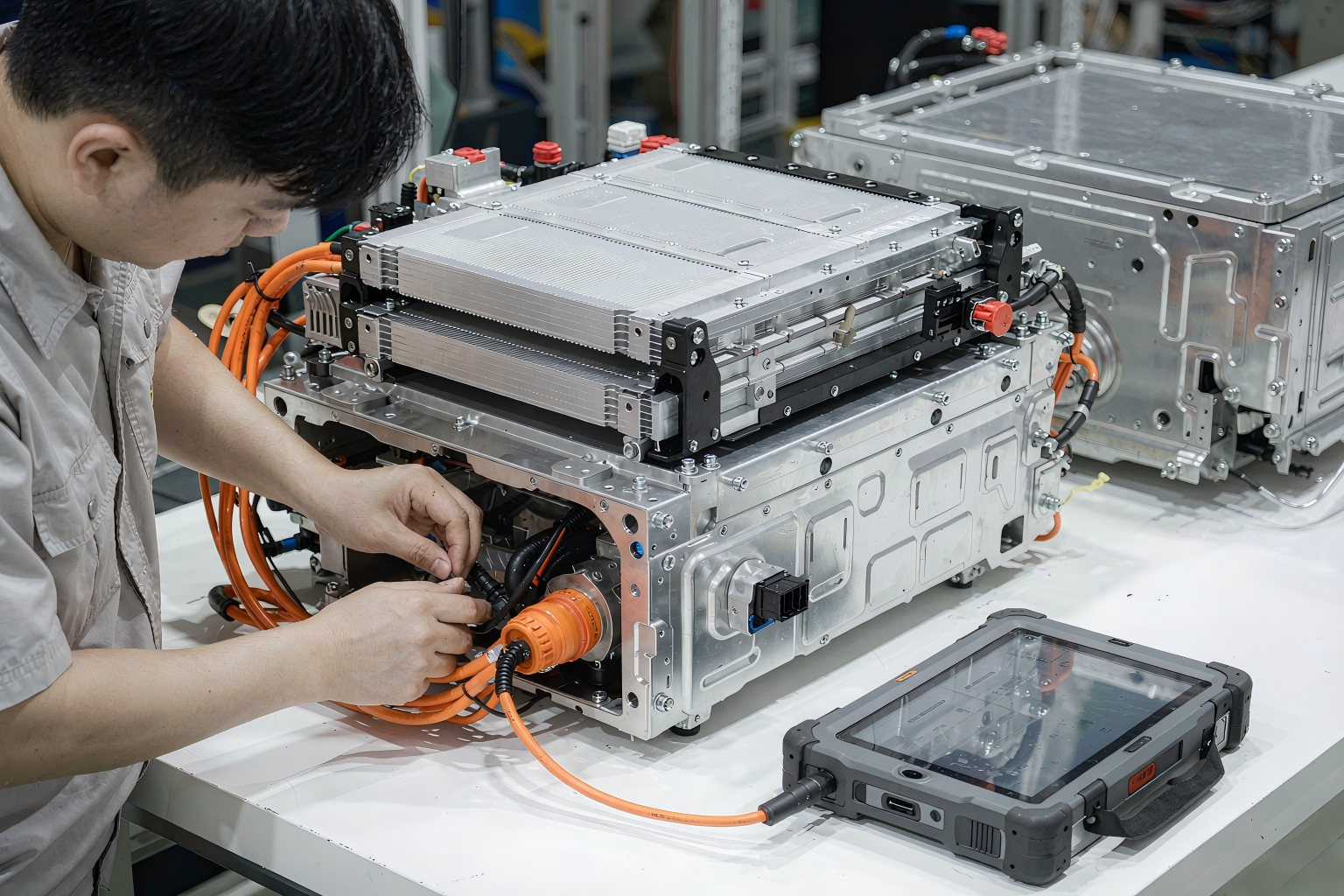 From weekend camping to polar sample runs, a passive phase-change cooler holds temperature without ice or power.
Emergency response is where phase change earns the description it gets in Chinese industry circles: a backup for life itself. When a grid fails, a hospital pharmacy, a blood bank or a field vaccination team has hours, not days, and no guarantee that a generator will start. Passive phase change liners keep medicines within range during transport and during the gap before power is restored, without a compressor, a fuel supply or a technician.
Polar and high-altitude research turns the requirement inside out. Samples collected at a field station may need to stay frozen all the way back to a laboratory thousands of kilometres away, but the same expedition also needs to keep batteries, instruments and sometimes the researchers themselves warm. Because phase change materials can be formulated at setpoints well below and well above ambient, the same technology stabilises a sample case at minus 20 degrees and keeps a battery compartment above freezing in the same crate.
Data centres are the newest large-scale convert. A high-density rack can push past 30 kilowatts of heat, and conventional air conditioning answers that load by simply working harder during the hours when electricity is most expensive. Phase change panels installed in cold aisles or rack back doors charge overnight when tariffs are low and discharge through the afternoon peak. Field deployments in Asia and Europe have recorded 30 to 50 percent reductions in peak-hour cooling electricity, and the panels double as a thermal buffer that keeps inlet temperatures stable for hours if a chiller trips.
At the household end, the use case is domestic and easy to underestimate. Breast milk, baby food and everyday medicines need continuous cold, but a domestic freezer is interrupted by defrost cycles, door openings and power cuts. A phase change ice box kept in the freezer acts as a standing reserve: freeze it overnight, drop it into a bag for the day, and it holds the contents cold without melting into everything else. For elderly people living alone, it is also a low-cost hedge against the outage that spoils a week of groceries.
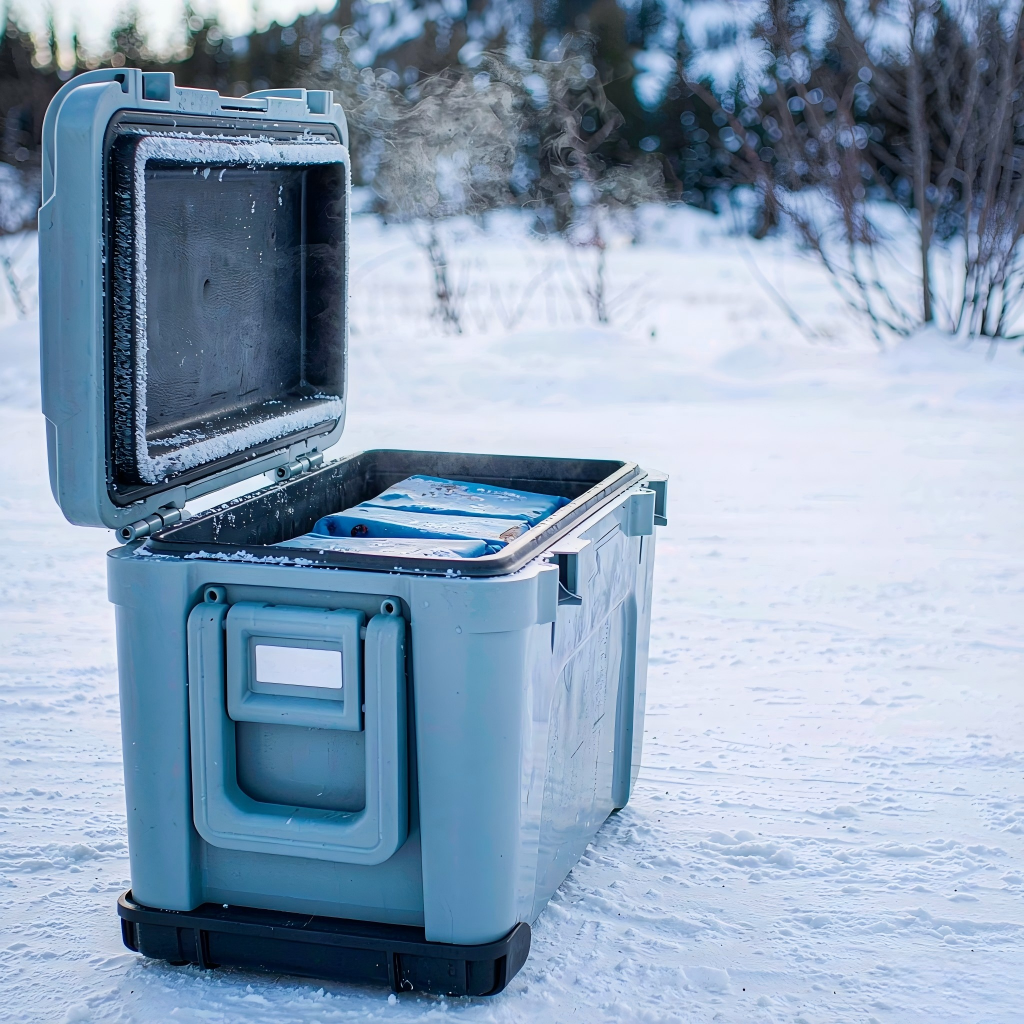
Phase change material embedded in an EV battery pack thermal layer absorbs peak heat and moderates cold starts.
Electric vehicle batteries are the fastest-moving application on the list. A traction pack is unhappy hot and unhappy cold: fast charging and summer driving push cell temperatures up, which accelerates degradation, while winter operation cuts available range and charging speed. Embedding phase change material in the thermal management layer of the pack lets it absorb surplus heat during aggressive charge and discharge, then give that heat back when the vehicle starts cold. Because the mechanism is passive, it adds thermal headroom without adding pump load or control complexity.
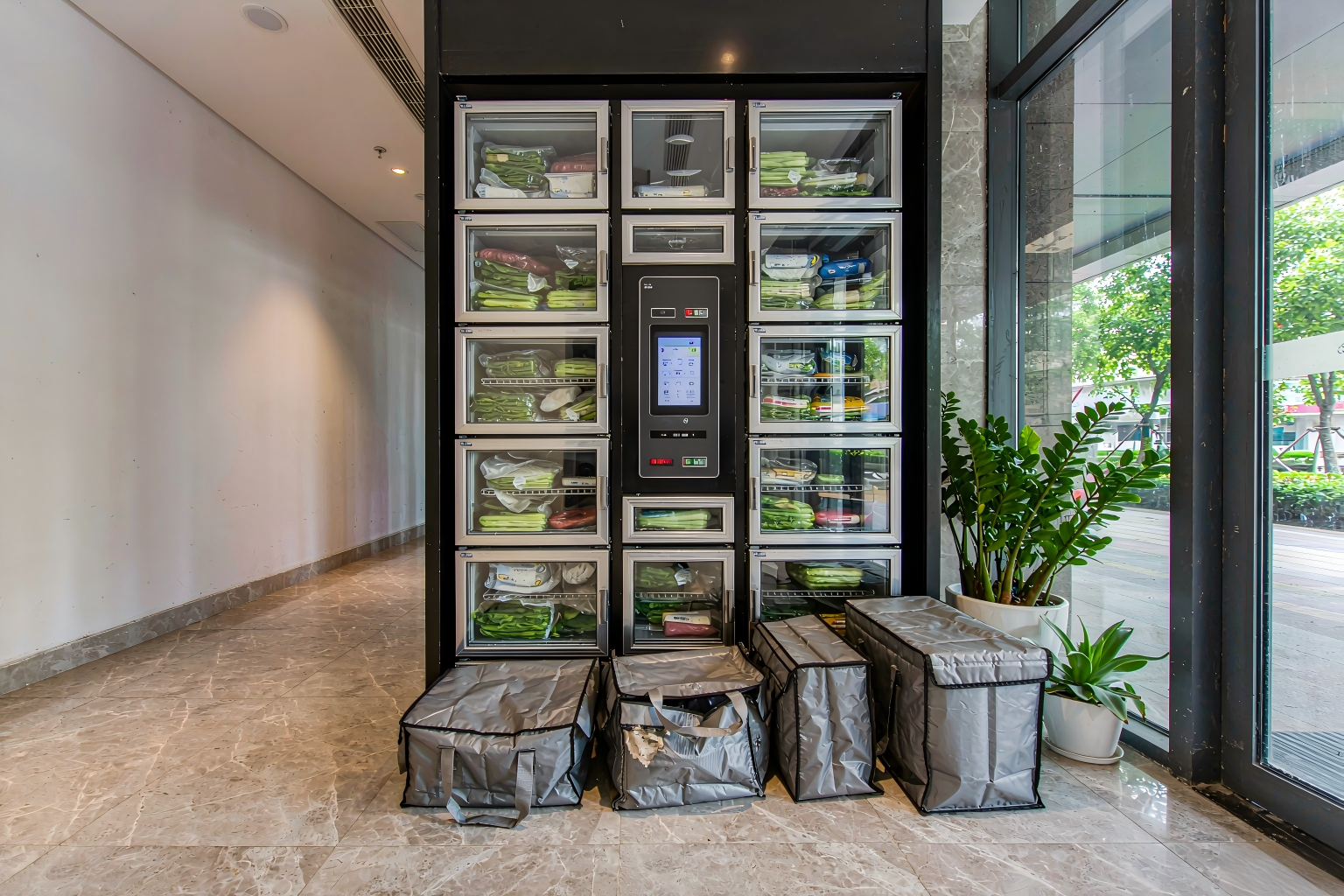
The last mile is where the technology meets everyday commerce. Community group buying, fresh milk at the breakfast shop and semi-prepared meal kits all travel a short final leg that is the hardest to keep cold: a van door opening dozens of times, a staircase, a lobby, a locker. Lightweight phase change panels slide into the delivery box and hold temperature through the handoff, extending the cold chain from the truck into the building without a powered cabinet at either end.
What all ten have in common is that the material is not replacing refrigeration — it is buying time and flattening peaks. That framing matters for anyone specifying it, because performance depends on getting three things right: the setpoint has to match the payload rather than the ambient, the quantity has to be sized against the actual heat leak and hold time, and the containment has to be compatible with the material over thousands of cycles. Glacier Coolant's testing programme evaluates every formulation against common container metals and polymers for exactly this reason.
So the next time someone says phase change materials are just for cold chain transport, there is a longer answer available. The material has turned up in hospital pharmacies, fishing boats, LNG carriers, server halls, expedition crates, apartment lobbies and the battery under the floor of an electric car. It is not one application with many sizes. It is a way of holding a temperature still, wherever that happens to matter.