
LM-15 Silicone Immersion Coolant: Reading the Code and the Spec
LM-15 is a polysiloxane-modified, wide-temperature, single-phase immersion coolant. Here is what the code means, the grades, and the stability case.
Glacier Coolant is asked what LM-15 actually is before a buyer trusts the number. Glacier Coolant answers plainly: LM-15 is a polysiloxane-modified, wide-temperature, single-phase immersion coolant. The code itself tells you the family and the temperature grade, so reading it is the first step in choosing it.
Model codes look opaque, but this one is simple once you know the parts. LM marks the Glacier Coolant carrier series.
Reading the LM-15 code
| Code part | Meaning | What it tells you |
|---|---|---|
| LM | Glacier Coolant carrier series | Brand family prefix |
| 15 | Single-phase polysiloxane family | Chemistry and phase |
| A / B / C | Temperature grade | Operating window |
So LM-15A, LM-15B and LM-15C are the same chemistry at three temperature windows. You pick the letter by the coldest intake and the hottest chip in your room.
This is not a build code hidden from users. It is a grade label meant to be read, and the grade is the first thing to match to your site.
What the fluid is made of
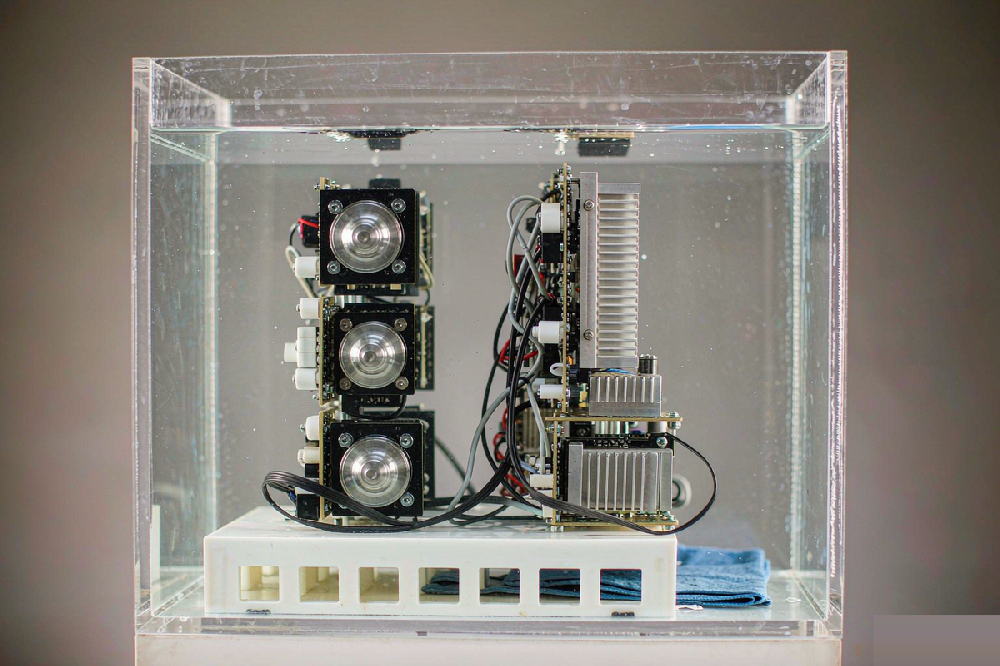
LM-15 is built on modified polysiloxane, often called silicone chemistry. Polysiloxane gives a wide liquid range and a chemically quiet character, which is why it suits long, unattended immersion. The LM-15 silicone immersion coolant line is a polysiloxane immersion fluid family, not a refined oil.
The "modified" part means the base is tuned for the cooling job: low viscosity for pumping, stable behavior under heat, and compatibility with the materials a cabinet contains.
| Property | Why it matters | LM-15 direction |
|---|---|---|
| Polysiloxane base | Wide liquid range | Stable single-phase |
| Low viscosity | Easy pumping | Lower pump load |
| Modified | Tuned for cooling | Better fit |
Single-phase by design
LM-15 is a single-phase fluid. It stays liquid in the loop, circulates, warms past the chips and returns cooler. It does not boil, so there is no vapor to manage and no evaporation loss. Single-phase LM-15 never boils, so the tank stays at near-atmospheric pressure.
That phase choice is deliberate. Single-phase is the steadier, lower-touch mode, which is why LM-15 is aimed at rooms that run with little attention.
The temperature grades
The three grades cover a wide window so one family can serve both cold intake and hot chip. Wide temperature immersion coverage is the point of the A, B and C grades.
The exact grade boundaries should be confirmed against the official LM-15 data sheet before a design is frozen.
| Grade | Rough window | Typical use |
|---|---|---|
| LM-15A | Coldest intake | Northern sites, cold start |
| LM-15B | Mid window | General high-density |
| LM-15C | Hot zone | High-power chips |
Pick the grade whose window covers your worst cold start and your hottest chip with margin.
Low pour point helps cold start
A low pour point means the fluid still flows when the room is cold, which protects start-up in cold climates and after a long idle. The LM-15 pour point spec matters most at winter commissioning and cold starts.
The published pour-point figure should be confirmed against the official data sheet before customer-facing use.
Cold start is where some coolants thicken and stall pumps. A low pour point keeps the loop moving from the first minute.
Low viscosity eases the pump
Low viscosity at working temperature means the pump moves more fluid for less power. LM-15 is described with a low viscosity across its grades, which suits continuous circulation. A low viscosity coolant spares pumps and helps flow reach every board.
The viscosity range is a published figure and should be checked against the official data sheet.
Easier pumping also means gentler seals and lower energy per unit of heat moved.
Thermal and oxidative stability
A long-duty immersion fluid has to resist breaking down under continuous heat. LM-15 is described as thermally and oxidatively stable across its range, so it does not decompose or thicken quickly in service.
That stability is what lets a room run it for long intervals without frequent fluid changes. It is the property that backs the "unattended" claim.
| Stability aspect | What it prevents | Room benefit |
|---|---|---|
| Thermal | Breakdown at hot spots | Longer fluid life |
| Oxidative | Thickening, sludge | Fewer changes |
| Long circulation | Property drift | Steady behavior |
Material compatibility carries over
Like the immersion class in general, LM-15 is described as compatible with PCB, wire insulation, seals and common metals, with no swelling or corrosion failure. That compatibility is what lets hardware stay submerged for years.
The compatibility has to be checked against your specific bill of materials, but the published profile covers the usual cabinet materials.
Where LM-15 fits best
LM-15 fits high-density, single-phase, long-duty rooms: AI clusters, GPU farms and any rack that runs hot and unattended. Its wide temperature range and steady single-phase behavior are the match.
It is less suited to a room that specifically wants two-phase boiling, because it is a single-phase fluid by design.
Reading the spec before you buy
Before specifying LM-15, confirm three things from the official data sheet: the exact grade boundaries, the viscosity at your working temperature, and the pour point. Then match the grade to your site's cold and hot extremes.
The code gets you to the family. The data sheet gets you to the right grade.
Common mistakes
Do not read LM-15 as a single fluid; it is three grades. Do not pick A when your chip runs hot; pick the grade that covers the hottest point. Do not skip the data sheet for the exact boundaries. Do not confuse single-phase with two-phase when ordering.
Why the grade matters more than the brand
Buyers often fixate on the LM name and miss the grade. The grade is what actually matches the site, because it sets the temperature window.
A cold northern intake needs LM-15A. A hot chip zone needs LM-15C. Picking the brand without the grade is like buying winter tires and fitting them in summer.
Read the code, then read the data sheet for the exact grade boundaries. The combination, not the label, decides whether the fluid fits your room.
Glacier Coolant supplies all three grades so a site can standardize on one chemistry and still cover its cold and hot extremes.
The chemistry is the long-term bet
Polysiloxane is chosen because it stays quiet under heat. That quiet behavior is what lets a room run LM-15 for long intervals without frequent fluid changes.
The bet is on stability, not on a single spec point. A fluid that resists thermal and oxidative breakdown protects uptime more than a fluid with one impressive number
FAQ
What is LM-15 coolant made of?
It is a modified polysiloxane, or silicone-based, wide-temperature single-phase immersion fluid.
What do the LM-15 grades A B C mean?
They are temperature grades of the same chemistry; A is coldest, C is hottest, B is in between.
Is LM-15 single-phase or two-phase?
Single-phase. It stays liquid and circulates; it does not boil in the loop.
What does the LM prefix mean?
LM marks the Glacier Coolant carrier series; 15 marks this silicone-based single-phase family.
Why is low pour point useful?
It keeps the fluid flowing at cold start and after long idle, protecting the pump.
Is LM-15 low viscosity?
It is described as low viscosity across its grades, which eases pumping and lowers pump load.
Is LM-15 stable over time?
It is described as thermally and oxidatively stable, so it resists breakdown in long circulation.
What materials is it compatible with?
Published profile cites PCB, wire insulation, seals and common metals with no swelling or corrosion.
Which grade should I pick?
The one whose window covers your coldest start and hottest chip with margin.
Where does LM-15 fit best?
High-density, single-phase, long-duty rooms such as AI clusters and GPU farms.
What should I confirm before buying?
The exact grade boundaries, viscosity at working temperature, and pour point from the data sheet.
How long has the maker shipped coolant?
Glacier Coolant's supplier has decades of carrier-fluid experience behind the LM series.
Why does the grade matter more than the brand?
The grade sets the temperature window that must cover your cold start and hot chip; the brand alone does not fit the site.
What is the long-term bet with LM-15?
It is on polysiloxane stability under heat, which lets the room run long intervals without frequent changes.
Which grade should I pick?
The one whose window covers your coldest start and hottest chip with margin.
Where does LM-15 fit best?
High-density, single-phase, long-duty rooms such as AI clusters and GPU farms.
What should I confirm before buying?
The exact grade boundaries, viscosity at working temperature, and pour point from the data sheet.
Is LM-15 low viscosity?
It is described as low viscosity across its grades, which eases pumping and lowers pump load.
Is LM-15 stable over time?
It is described as thermally and oxidatively stable, so it resists breakdown in long circulation.
What materials is LM-15 compatible with?
Published profile cites PCB, wire insulation, seals and common metals with no swelling or corrosion.
How long has the maker shipped coolant?
Glacier Coolant's supplier has decades of carrier-fluid experience behind the LM series.
Is LM-15 low viscosity?
It is described as low viscosity across its grades, which eases pumping and lowers pump load.
What does the LM prefix mean?
LM marks the Glacier Coolant carrier series; 15 marks this silicone-based single-phase family.
Is LM-15 single-phase or two-phase?
Single-phase. It stays liquid and circulates; it does not boil in the loop.
Why is low pour point useful?
It keeps the fluid flowing at cold start and after long idle, protecting the pump.