
Single-Phase vs Two-Phase Immersion: Which Cooling Mode Fits
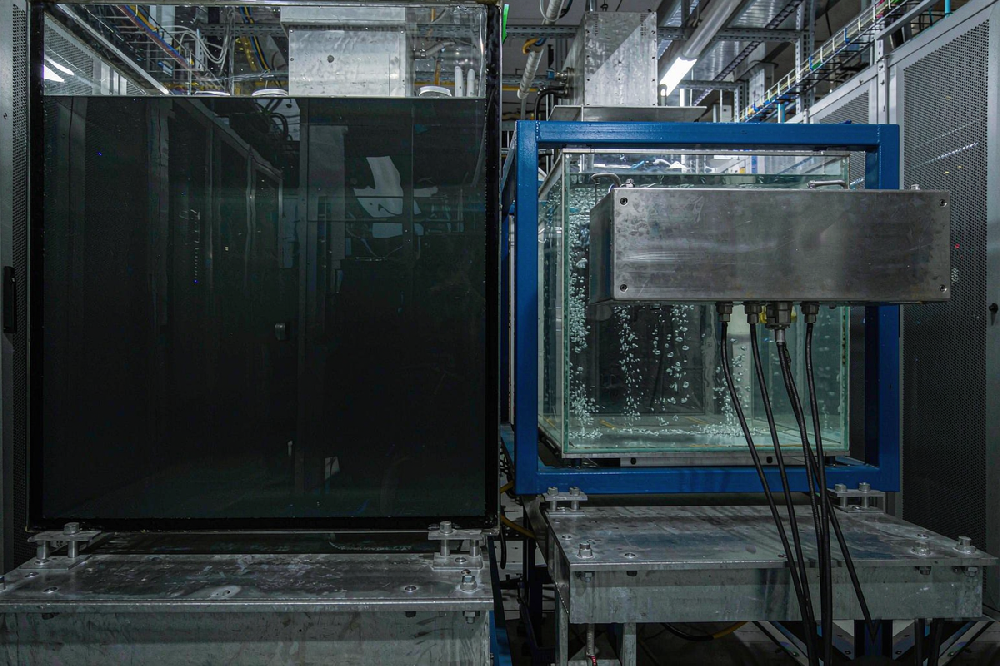
Immersion cooling splits into single-phase and two-phase. Single-phase keeps the fluid liquid and the pressure steady; two-phase boils it. Here is the trade.
Glacier Coolant is asked which immersion mode to pick before a cabinet is filled. Glacier Coolant answers with the difference that decides reliability: single-phase versus two-phase. Single-phase keeps the fluid liquid and the pressure steady. Two-phase lets it boil. The choice shapes how the room behaves for years.
Both modes put the hardware in fluid. They part ways on what the fluid does with the heat.
Two ways to move the heat
In single-phase immersion, the fluid stays liquid. It circulates, warms as it passes the chips, and carries the heat to a cooler. Nothing boils, nothing turns to vapor. The single-phase vs two-phase immersion choice shapes the whole room around it.
In two-phase immersion, the fluid boils on the hot surface. The vapor rises, condenses elsewhere, and returns as liquid. The "bubble" is the heat carrier.
| Mode | Fluid state | Heat carrier |
|---|---|---|
| Single-phase | Always liquid | Warm flow |
| Two-phase | Boils on chip | Vapor |
The LM-15 series is a single-phase fluid, built for loops that prize a steady, non-boiling bath.
Pressure stays put in single-phase
Single-phase loops run at near-constant pressure because no vapor is being made. That steadiness makes flow and temperature easy to control, which matters in a room full of hot spots. In practice, single phase immersion cooling means steady liquid and no boiling.
Two-phase loops manage a vapor space and a condensate return. The pressure can swing with load, and the system has to balance boiling, condensing and return at once.
No evaporation loss in single-phase
In single-phase cooling, the fluid does not boil away. There is no vapor escaping the loop, so there is no steady loss of coolant to "evaporation." A no boiling coolant stays in the tank instead of leaving as vapour.
Two-phase systems are sealed, but any small leak or maintenance opening can let vapor out, and that vapor is expensive fluid. The single-phase mode simply removes that loss path by never making vapor.
| Loss path | Single-phase | Two-phase |
|---|---|---|
| Boiling vapor | None | Possible at leaks |
| Makeup need | Low | Higher if sealed breaks |
| Pressure swings | Minimal | Present |
Controllability favors single-phase
A single-phase loop is a pump-and-heat-exchanger problem. Operators know the flow, the rise and the return. Tuning is straightforward.
A two-phase loop adds phase change to the control problem. Boiling rate, condensate return and vapor pressure all move with the chip load. That is more to keep stable, especially in a room that must run without constant attention.
Two-phase wins on some points
Two-phase is not the wrong choice everywhere. Boiling can move a lot of heat per unit of fluid, and the phase change is gentle on the chip surface. For some high-flux spots it is elegant. Two phase immersion boiling moves heat sharply, and it demands fluid management in return.
The trade is operational. The same boiling that helps cooling also adds a vapor system to manage. The right mode depends on what the room values more: peak heat density or steady, low-touch operation.
| Criterion | Single-phase | Two-phase |
|---|---|---|
| Pressure | Steady | Movable |
| Evaporation | None | Possible |
| Control | Simpler | More parts |
| Peak flux | Good | Very good |
Unattended operation leans single-phase
A room that runs with little human attention favors the mode that stays put. Single-phase, with its steady pressure and no vapor loss, is the natural fit for long-duty, rarely-touched cabinets.
That is exactly the case the LM-15 series targets: high-density racks that must run day after day without someone watching the vapor space.
Fluid choice is mode-specific
The two modes need different fluids. A single-phase fluid is chosen for stability, low viscosity and wide temperature range. A two-phase fluid is chosen for the right boiling point and condensate behavior.
Mixing the two up is a common error. A fluid tuned to boil will not give the steady bath a single-phase loop wants, and vice versa.
Temperature range still matters
Even in single-phase, the fluid must cover the chip's hot zone and the site's cold intake. LM-15 spans a wide window across its grades, so a single family can serve both the cold intake and the hot chip without changing chemistry.
A narrow-range fluid forces grade changes between zones, which complicates the loop and the spares.
The exact grade boundaries should be confirmed against the official LM-15 data sheet before a design is frozen.
When two-phase is the better call
If the room is staffed, the chips are extremely dense, and the priority is peak flux over hands-off running, two-phase can be the cleaner design. The vapor system is a cost the site is equipped to carry.
If the room must run unattended and stable, single-phase is usually the quieter path.
Common mistakes
Do not pick a mode by cooling alone. Do not assume single-phase cannot handle density; it handles most AI racks well. Do not ignore the vapor loss path in two-phase. Do not choose a fluid before the mode is set.
Reading the trade for your room
Score the room on staffing, density and tolerance for pressure swings. A well-staffed high-flux room may accept two-phase. A rarely-touched room should default to single-phase. An honest immersion phase comparison ends with your room profile, not with vendor sheets.
Where LM-15 sits
LM-15 is a single-phase, polysiloxane-modified fluid with a wide temperature window and low viscosity. It is built for the steady, no-boiling bath that unattended high-density cooling wants.
That positioning is the reason it is discussed alongside the single-phase choice rather than the boiling one.
Picking by room profile
Score the room on three things: staffing, density and tolerance for pressure swings. A well-staffed, extreme-density room may accept two-phase. A rarely-touched room should default to single-phase.
The trade is operational, not just thermal. Two-phase moves more heat per unit of fluid but adds a vapor system to manage. Single-phase gives up some peak flux for steadier, lower-touch running.
Most AI racks run well in single-phase, so the mode choice is rarely forced by density alone. It is forced by how much attention the room can give the cooling.
LM-15 is positioned in the single-phase column because unattended, steady running is the more common need than peak-flux boiling.
One fluid does not serve both modes
Fluids are tuned to a mode. A single-phase fluid is chosen for stability, low viscosity and wide temperature range. A two-phase fluid is chosen for the right boiling point and condensate behavior.
Mixing the two up is a common error. Set the mode first, then choose the fluid, or the loop will behave wrong from the start
FAQ
What is the difference between single and two-phase immersion?
Single-phase keeps the fluid liquid and circulating; two-phase boils it on the chip and condenses the vapor.
Does two-phase immersion lose fluid by boiling?
A sealed two-phase loop should not, but any leak or open maintenance can vent vapor, which is costly fluid.
Which phase suits unattended data centers?
Single-phase, because its pressure stays steady and it has no vapor loss to manage.
Is single-phase weaker on cooling?
No. It handles most AI racks well; two-phase only pulls ahead on extreme peak flux.
Why is pressure steadier in single-phase?
No vapor is being created, so the loop runs near-constant pressure without balancing boiling and condensation.
Can I use one fluid for both modes?
Usually not. Fluids are tuned to a mode, and the wrong one breaks the loop's behavior.
What does LM-15 use?
LM-15 is a single-phase, polysiloxane-modified fluid with a wide temperature range.
When is two-phase the better call?
When the room is staffed, extremely dense, and peak flux matters more than hands-off running.
Why does temperature range matter in single-phase?
The fluid must cover both the cold intake and the hot chip without a grade change.
Does single-phase need less maintenance?
It needs less vapor-system attention, which suits rooms that run with little staffing.
Is evaporation loss real in single-phase?
No. Since the fluid never boils, there is no vapor loss path from phase change.
How do I pick for my room?
Score staffing, density and pressure-swing tolerance; rarely-touched rooms default to single-phase.
How do I pick the mode for my room?
Score staffing, density and pressure-swing tolerance; rarely-touched rooms default to single-phase.
Can one fluid serve both phases?
Usually not. Fluids are tuned to a mode, so set the mode before choosing the fluid.
Can I use one fluid for both modes?
Usually not. Fluids are tuned to a mode, and the wrong one breaks the loop's behavior.
Does single-phase handle AI racks?
It handles most AI racks well; two-phase only pulls ahead on extreme peak flux.
Is evaporation loss real in single-phase?
No. Since the fluid never boils, there is no vapor loss path from phase change.
Is two-phase the wrong choice everywhere?
No. Staffed, extreme-density rooms can prefer its peak-flux elegance over single-phase steadiness.
Does two-phase lose fluid by boiling?
A sealed loop should not, but any leak or open maintenance can vent vapor, which is costly fluid.
Why does temperature range matter in single-phase?
The fluid must cover both the cold intake and the hot chip without a grade change.
Does evaporation loss immersion mean I keep adding fluid?
In two-phase rooms, some fluid does leave as vapour and is replaced over time. In single-phase rooms the tank loses almost nothing to the air, so top-ups stay rare.