
Immersion Coolant Material Compatibility: Metals, PCB and Seals
A submerged cabinet exposes every surface to the fluid. Check metal, PCB, wire insulation and rubber seal compatibility before you fill.
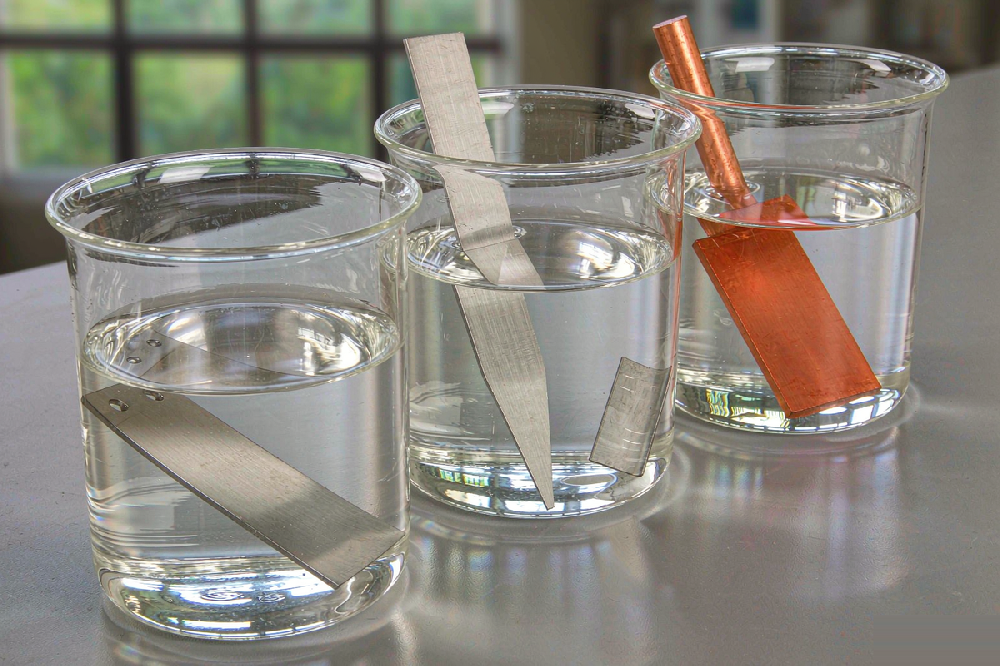
Glacier Coolant sees immersion projects stall on a detail that air cooling never raised. Glacier Coolant points to it early: in immersion, the fluid touches everything. A dielectric immersion coolant may be safe on the electric line, but if it corrodes a trace or swells a seal, the cabinet still fails. Material compatibility is the second gate.
An immersed cabinet is not a sealed component. It is a mix of metals, boards, wires and gaskets, all sitting in the same bath for years.
The surfaces the fluid actually meets
List what the coolant contacts before you fill. The list is longer than people expect. This page maps immersion coolant material compatibility across metals, boards, jackets and seals.
| Surface type | Examples | Failure mode |
|---|---|---|
| Metals | Carbon steel, stainless, copper | Corrosion, plating loss |
| Board | PCB substrate, solder | Tracking, weakness |
| Wiring | Insulation jacket | Swell, crack |
| Seals | Rubber, elastomer | Swell, leak |
Each item needs its own check, because a fluid that is kind to copper can still attack a seal.
Metals: the common three
Most cabinets mix carbon steel, stainless steel and copper. A coolant should be non-corrosive to all three, because they sit in the same loop. Coolant metal corrosion usually shows up first where flow runs slowest.
Copper is the sensitive one. It conducts well and it is everywhere in a board and a cold plate. A fluid that tarnishes or erodes copper quietly raises resistance and heat. Stainless is tougher, but pitting still happens with the wrong chemistry. Carbon steel needs protection or it rusts and feeds sludge.
| Metal | Why it matters | What to watch |
|---|---|---|
| Copper | Conductivity, common | Tarnish, erosion |
| Stainless | Structure, cold plate | Pitting |
| Carbon steel | Frame, fittings | Rust, sludge |
The LM-14 series is described by its maker as non-corrosive to carbon steel, stainless steel and copper, which covers the usual cabinet metals.
PCB and solder
The board is where compatibility gets unforgiving. A fluid that softens the substrate or leaches a finish can cause tracking or weak joints that no thermal fix recovers.
Compatibility here means the fluid leaves the laminate, the solder mask and the solder itself unchanged across long immersion. It is not enough that the board survives a week; it has to survive the service life.
Wire insulation and jackets
Cables run through the bath too. Their insulation is often a polymer that some fluids swell or embrittle. A swollen jacket loses sealing; a cracked one exposes conductor.
This is a quiet failure. It does not show as a leak at first. It shows as a gradual loss of flexibility and, later, as a fault. The insulation type should be named and checked, not assumed.
| Cable part | Risk | Result |
|---|---|---|
| Insulation jacket | Swell, crack | Conductor exposed |
| Fillers | Leach | Debris in bath |
| Connector seal | Soften | Moisture path |
Rubber and elastomer seals
Seals are the parts most often overlooked. A rubber gasket that swells can initially seem fine, then weep or lose compression. An elastomer that shrinks hardens the joint. Rubber seal coolant swelling is silent, so log seal condition at every opening.
Because seals are small and numerous, one bad material choice spreads across the whole cabinet. The coolant must be matched to the specific elastomer, not to "rubber" in general.
Long-term immersion is the real test
Short soaks prove little. The question is what the fluid does after a year of circulation, heat and contamination ingress. Stability of the fluid and stability of the materials have to hold together. Long-term immersion material behaviour is the only result that counts after month six.
A fluid that is gentle when new but sheds additives later can turn compatible parts incompatible. That is why material compatibility is read as a long-term property, not a dip test.
How to check before filling
Build a material list from the cabinet bill of materials. Group it into metals, boards, wires and seals. Request compatibility data for each group from the fluid supplier, and ask for the test duration.
| Step | Action | Output |
|---|---|---|
| 1 | List BOM materials | Check set |
| 2 | Request data per group | Evidence |
| 3 | Confirm test duration | Confidence |
| 4 | Pilot a sample | Real proof |
A pilot run on a spare board and a spare seal beats a stack of certificates.
Why stability supports compatibility
A fluid that degrades under heat can release species that attack materials it was harmless to when fresh. Stability and compatibility are linked: a chemically quiet fluid is easier on everything it touches.
The LM-14 series is formulated to stay quiet in long circulation, which is part of why it is described as gentle on electronics and metals alike.
Signs of a mismatch
Watch for tarnish on copper, haze on a board, stiffness in a cable and swell in a gasket. Any one of these during a pilot is a reason to stop and recheck the material map.
None of these are dramatic at first. All of them are expensive later.
The self-cleaning side benefit
A fluid that limits oxidation and dust on components can actually slow some forms of material wear. The LM-14 series is described as self-cleaning in the sense that it reduces oxidation and buildup on the hardware, which supports longer, quieter life.
That is a secondary gain. The primary gain is simply that the fluid does not attack the parts it bathes.
Choosing for compatibility
When you score an immersion coolant, put the material list next to the supplier's data. If a single common material is unproven, treat it as a risk, not a detail.
| Criterion | Good | Risk |
|---|---|---|
| Named metals | Copper, steel listed | "Metals" vague |
| Board data | Duration stated | Dip test only |
| Seal name | Elastomer given | Generic rubber |
Common mistakes
Do not assume clear equals safe. Do not trust a single new-fluid test. Do not skip the seal, because it is small and numerous. Do not separate material checks from the electric and fire lines.
All three gates have to close before a cabinet goes under fluid.
Reading a compatibility claim
Ask which materials were tested, for how long, and under what temperature. Ask whether the data covers circulation, not just static soak. The answers tell you whether the claim is a study or a slogan.
Where this meets the other gates
Compatibility is the gate that protects the hardware after the electric and fire lines pass. A fluid can be perfectly safe to immerse and still ruin a board slowly. Both truths have to hold.
The cabinet stays healthy only when all three are satisfied at once.
Why seals fail quietly
Seals are the parts most often overlooked. A rubber gasket that swells can initially seem fine, then weep or lose compression after months.
An elastomer that shrinks hardens the joint and opens a path for moisture. Because seals are small and numerous, one bad material choice spreads across the whole cabinet.
The coolant must be matched to the specific elastomer, not to "rubber" in general. Generic claims hide this risk, and the risk shows up long after the fill.
A pilot run on a spare seal beats a certificate, because the pilot shows the actual change over time, not a static soak result.
The board is the unforgiving part
The printed board is where compatibility gets strict. A fluid that softens the substrate or leaches a finish can cause tracking or weak joints that no thermal fix recovers.
Compatibility here means the fluid leaves the laminate, the solder mask and the solder unchanged across the service life, not just for a week.FAQ
What materials must an immersion coolant suit?
Metals, PCB, wire insulation and rubber seals, because all sit in the same bath for years.
Does immersion fluid corrode copper or stainless?
A well-formulated fluid is non-corrosive to copper, stainless and carbon steel; the maker should name each.
Can coolant swell rubber seals?
Yes, some fluids swell or harden elastomers, so the specific seal material must be checked.
Why is long-term immersion the real test?
Fresh-fluid behavior can differ from year-long circulation once heat and contamination act.
How do I check compatibility before filling?
List the BOM by material group and request duration-stated data, then pilot a spare board and seal.
Is a clear fluid always safe?
No. Clarity says nothing about corrosion, swelling or board attack over time.
What does self-cleaning mean here?
It means the fluid limits oxidation and dust on components, which supports longer hardware life.
What are signs of a mismatch?
Copper tarnish, board haze, cable stiffness and seal swell during a pilot run.
Does stability affect compatibility?
Yes. A fluid that degrades can release species that attack materials it was harmless to when fresh.
Should I separate this from electric checks?
No. Compatibility protects hardware after the electric and fire lines pass.
What is LM-14's material profile?
It is described as non-corrosive to common metals and gentle on electronics and seals.
How long should compatibility data cover?
At least the intended service life, not just a short static soak.
Why do seals fail quietly in immersion?
They swell or harden slowly, then weep or lose compression long after the fill, spreading risk across many joints.
Is a board harder to protect than metal?
Often yes, because substrate or finish damage causes tracking that thermal fixes cannot recover.
Can a clear fluid be unsafe to immerse?
Yes. Clarity says nothing about corrosion, swelling or board attack over time.
Does stability affect compatibility?
Yes. A fluid that degrades can release species that attack materials it was harmless to when fresh.
How long should compatibility data cover?
At least the intended service life, not just a short static soak.
What if my seal material is not listed?
Treat it as a risk and pilot it; do not assume a generic "rubber" answer covers a specific elastomer.
Which copper stainless steel coolant pairings need extra care?
Copper is the sensitive one. Stainless is forgiving. Aluminium needs its own inhibitor package. Rate each metal on its own before a mixed-loop fill.
What does PCB compatibility immersion data actually cover?
Supplier data covers laminate classes, not your exact board build. Check laminate and conformal coating against the list, then confirm with a small coupon before committing a full tank.