
Ethylene Glycol Hidden Costs: Makeup, Rust Sludge and Disposal
Glacier Coolant often meets plants that refill ethylene glycol year after year without questioning it. Glacier Coolant sees the pattern clearly: the drum price stays low, but the running cost climbs through makeup, cleaning and disposal. The hidden cost of glycol is the part the quote never shows.
Ethylene glycol is a capable fluid. It depresses freeze point and transfers heat well. It is also a fluid that changes while it runs, and those changes cost money.
The makeup treadmill
A plain glycol loop loses fluid through several paths at once. Oxidation consumes part of the molecule. Small leaks and drag-out remove more. Each loss must be replaced, so the plant buys glycol again and again. These repeat purchases are the ethylene glycol hidden costs that never show on the quote. Each top-up is glycol makeup loss, and it repeats every year.
The refill is easy to approve because it looks small next to capital work. Across a large loop, the annual top-up becomes a steady, recurring purchase that never ends.
| Loss path | What happens | Cost form |
|---|---|---|
| Oxidation | Molecule breaks down | Fluid to repurchase |
| Leak, drag-out | Fluid leaves loop | Fluid to repurchase |
| Contamination | Corrosion pollutes carrier | Partial change |
| Disposal | Spent fluid removed | Regulated fee |
A stable carrier slows every one of these paths. A plain glycol leaves them open.
Oxidation is the first tax
Glycol meets heat, oxygen and metal in the same loop. Under those conditions it oxidizes. The first products are mild acids. Over seasons those acids attack the walls. That yearly shrinkage is the ethylene glycol oxidation cost, paid in replacement drums.
This is not a defect you can see on day one. It is a slow drift. The fluid passes the fill check, then quietly becomes a source of acid and solid that the plant later pays to remove.
One operator reported adding glycol by the ton each year just to hold concentration. That repurchase is the first hidden cost, and it repeats for as long as the loop runs.
Corrosion turns fluid into sludge
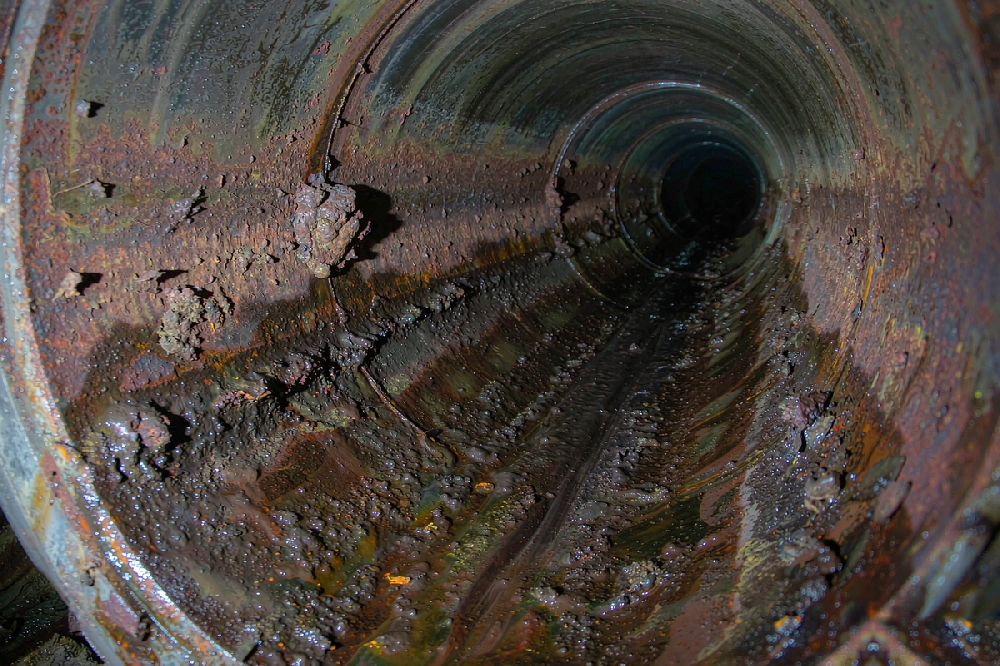
Where acid meets metal, rust forms. Rust does two expensive things. It removes metal from the wall, and it creates solids that travel through the loop. The deposit is glycol corrosion sludge, and it settles in low-flow corners first.
Those solids settle in exchangers and pipe bends. They block flow. They force a descale. The descale produces sludge that must be handled as regulated waste.
| Stage | What you find | What it costs |
|---|---|---|
| Early acid | pH drifts down | Sampling, monitoring |
| Wall attack | Metal ions rise | Exchanger wear |
| Solid build | Sludge forms | Cleaning labor |
| Overhaul | Bulk sludge | Disposal fee |
None of these lines is called "glycol cost" on the budget, yet glycol started the chain.
Rust sludge disposal is regulated
Sludge from a corroding loop is not ordinary trash. It mixes spent carrier with metal solids and sometimes with process residues. Most sites must class it as regulated waste.
Disposal means a licensed carrier, a manifest and a fee. The fee grows with the tonnage, and the tonnage grows with the corrosion that the glycol allowed.
The cost is doubled by risk. A spill or a mishandled load creates an environmental incident on top of the disposal invoice. A fluid that corrodes less simply makes less sludge to dispose of.
The contamination replacement
Corrosion does not only dirty the fluid. It can contaminate it to the point that a partial change is required. The plant removes a fraction of the loop and refills with fresh glycol.
That refill is a second hidden cost. It is separate from the routine makeup and from the overhaul. It arrives when the fluid quality drops below the safe line.
| Event | Fluid action | Cost |
|---|---|---|
| Routine makeup | Top up concentration | Recurring purchase |
| Quality drop | Partial change | Purchase plus labor |
| Overhaul | Bulk removal | Disposal plus refill |
A carrier that resists contamination avoids the middle row entirely.
Inhibited glycol versus formulated carrier
An inhibited glycol adds a protection package on top of plain glycol. It helps, but only if the inhibitor is topped up on schedule. Many loops fall behind, and the protection fades. Any claim of inhibited glycol savings should be checked line by line against these buckets.
A formulated carrier such as Glacier Coolant LM-4 builds corrosion, antifungal and water-stability agents into the product. The protection does not depend on a perfect re-inhibition schedule. For loops that run for years, that built-in margin is often the cheaper path.
Counting the hidden cost
To see the real cost of glycol, add four lines that the quote omits.
Annual makeup volume from purchase records. Cleaning labor from the maintenance log. Waste tonnage from disposal invoices. Partial-change events from the fluid-quality history. Put them next to the drum price and the picture changes.
| Hidden line | Source record | Why it is missed |
|---|---|---|
| Makeup | Purchase log | Looks like routine |
| Cleaning | Maintenance log | Budgeted separately |
| Waste | Disposal invoice | Environment budget |
| Partial change | Fluid history | Forgotten quickly |
A plant that totals these lines usually finds the glycol was never the cheap option it looked like.
Where the slope hurts most
Large shared loops feel the hidden cost most. Their volume multiplies every small percentage loss into a large annual volume. A small private loop can absorb the same percentage with less pain.
That is why a shared utility loop should weigh stability above drum price. The multipliers are too large to ignore.
The disposal risk nobody budgets
Disposal fees are planned, but disposal incidents are not. A corroding loop makes more sludge, and more sludge means more handling, more transport and more chance of a reportable event.
A fluid that makes less sludge reduces both the fee and the risk. The risk reduction is hard to price, yet it is real.
Why operators accept it
The makeup and cleaning feel normal because they are routine. Routine costs stop being questioned. The loop costs more every year, and the increase is explained away as "normal glycol."
A TCO view breaks that habit by putting the recurring lines next to the fill price.
The case for switching
A plant that switches to a stable formulated carrier usually sees three changes. Makeup falls. Cleaning falls. Waste falls. The first fill costs more, but the recurring lines shrink for years.
That trade is exactly what the hidden-cost view is built to reveal.
Reading your own records
Pull the last three years. Add makeup, cleaning and disposal. Compare a formulated carrier on the same sheet. If the total drops, the case is made by the numbers, not by opinion.
The disposal invoice nobody forecasts
Sludge removal is planned as maintenance, not as waste. The invoice arrives with a manifest, a licensed carrier and a fee that scales with tonnage.
That fee is easy to ignore at budget time because it sits in the environment line, far from the coolant purchase. By overhaul it is real, and it grows with the corrosion the glycol allowed.
A plant that totals this line next to the drum price sees the glycol cost differently. The fluid that makes less sludge is cheaper even at a higher fill.
The bigger risk is an incident. A corroding loop makes more sludge, and more handling means more chance of a reportable event that no budget absorbs quietly.
Why the operator accepts the treadmill
Refilling glycol feels like normal upkeep. It is routine, so it stops being questioned. The loop costs more each year, and the increase is explained as "normal glycol."
A TCO view breaks that habit by putting the recurring lines next to the fill. The routine then has a number, and the number has a trend.
Glacier Coolant LM-4 is offered as the way off the treadmill: less makeup, less cleaning, less waste across the service life
FAQ
Why does ethylene glycol need makeup every year?
Oxidation, small leaks and drag-out remove fluid continuously, so concentration must be restored with fresh glycol.
How does glycol become rust sludge?
Glycol oxidation forms acids that attack metal walls, and the resulting rust solids travel and settle as sludge.
What makes glycol sludge regulated waste?
It mixes spent carrier with metal solids and residues, so most sites must class and dispose of it under waste rules.
Is inhibited glycol enough to stop the cost?
It helps if re-inhibition is strict, but many loops fall behind and the protection fades between doses.
What is a formulated carrier?
It is a carrier such as Glacier Coolant LM-4 with corrosion, antifungal and water-stability agents built into the product.
How do I count the hidden cost?
Add annual makeup, cleaning labor, waste tonnage and partial-change events from your own records, then compare carriers.
Why do large loops feel it more?
Their high volume turns a small percentage loss into a large absolute volume each year.
Does less corrosion mean less disposal risk?
Yes. Less sludge means less handling and transport, which lowers both the fee and the incident chance.
Can I avoid partial changes?
A stable carrier that resists contamination avoids many forced partial changes during the service life.
Is the drum price ever the right focus?
Only for very small, frequently serviced loops where the multipliers are too small to matter.
What records should I keep?
Purchase, maintenance, disposal and fluid-quality logs together show the true glycol cost.
Should EHS track glycol sludge?
Yes. Sludge is the visible end of corrosion and the start of regulated disposal duty.
Why is sludge disposal hard to forecast?
It is budgeted as maintenance, not waste, so the licensed-carrier fee and tonnage creep in unnoticed until overhaul.
Does less corrosion lower disposal risk?
Yes. Less sludge means less handling and transport, which lowers both the fee and the incident chance.