
Why Primary and Secondary Refrigerant Must Not Be Mixed
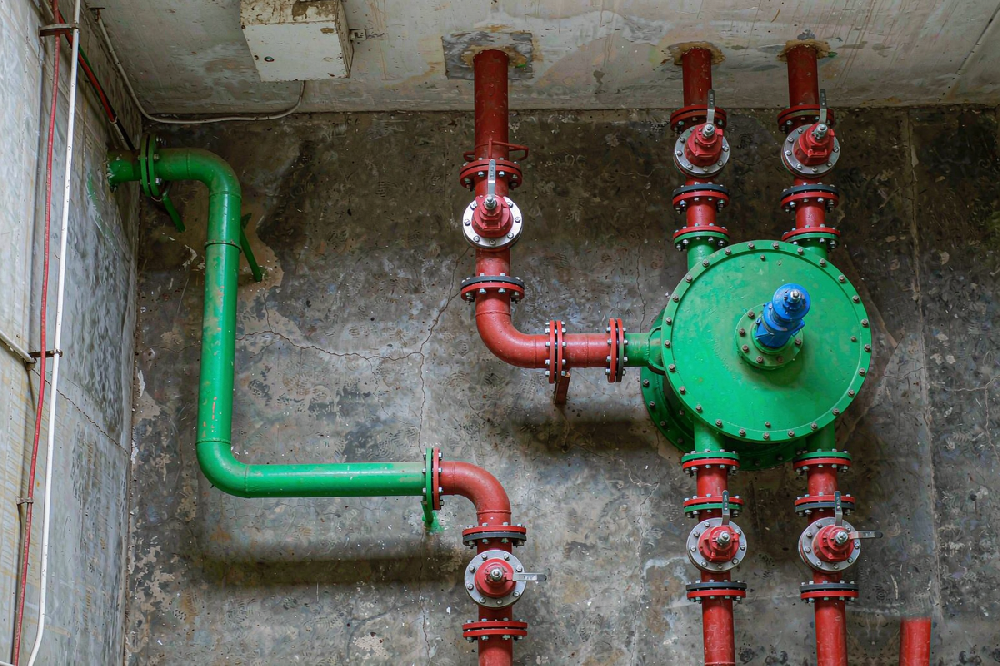
Two loops, two fluids, one exchanger. Mixing or mismatching them causes corrosion, ion rise, leaks and blockage.
A two-loop liquid-cooling system looks simple on a diagram. It is two fluids meeting at one plate exchanger. That meeting is where most avoidable failures begin.
Glacier Coolant designs both sides, and the first rule is blunt: the fluids are not interchangeable.
The two loops are different jobs
The primary loop moves total heat to the outdoors. It runs long pipe at higher pressure. Ethylene glycol is the common base there.
The secondary loop sits on the cold plates. It runs next to live boards. It needs low conductivity and a gentle touch on seals and plastics. Propylene glycol fits that duty.
| Aspect | Primary loop | Secondary loop |
|---|---|---|
| Main job | Move total heat out | Absorb board heat |
| Pressure | Higher | Lower |
| Base fluid | Ethylene glycol | Propylene glycol |
| Top constraint | Freeze, corrosion | Conductivity, compatibility |
Different jobs, different fluids. Treating them as one product invites trouble.
What goes wrong when you mix
Mixing or mismatching is not a small error. The exchanger is where the two meet, and the faults stack.
Wrong fluid in the secondary side raises conductivity risk near live boards.
Mismatched inhibitors can drop out and coat surfaces.
Seal and plastic parts may swell or weep.
Fine channels can block as deposits form.
In the worst cases the loop stops. A stop in a training cluster is not a maintenance note. It is downtime with a bill.
| Mistake | Likely result |
|---|---|
| Glycol swapped between sides | Corrosion or conductivity drift |
| Random brands paired | Inhibitor clash, deposits |
| Wrong dilution | Freeze or flow problems |
| No verification | Fault found only after stop |
Verify the pair, not just each fluid
A fluid that is fine alone can still clash with its partner. The two should be verified as a set before the loop is filled.
Glacier Coolant verifies LM-450-PL on the primary side with LM-4D-YS on the secondary side, so the meeting point stays stable.
Set the dilution to the site
One mix does not fit every site. Climate, supply and return temperatures, and pipe material all move the right ratio.
A site-matched dilution protects both sides. It also sets a clean baseline for later checks.
Watch it, don't forget it
Commissioning is not the end. Plan three services.
Periodic fluid testing on both sides.
System pre-filming before first fill.
Online monitoring where the loop is large.
These catch the slow drift that leads to the big stop.
The two loops do different jobs
A split cooling system uses two fluids on purpose. The primary loop moves heat from the building side to the chiller. The secondary loop carries heat from the equipment to the distribution unit. Each is chosen for its own duty.
The primary carrier is picked for stability and freeze protection. The secondary carrier is picked for conductivity, compatibility and closeness to the load. Mixing them blends two designs into one fluid that fits neither.
The split exists because no single fluid is best at both jobs. Respecting the split is what keeps each loop within its safety and performance limits.
What happens when they mix
Mixing starts quietly. A valve passes, a connection drifts, or a maintenance step goes wrong. Soon the primary fluid is in the secondary loop, or the other way around.
The first effect is a freeze-point shift. The blended fluid no longer freezes where the design expected. The second effect is inhibitor clash. Two protection packages can cancel parts of each other instead of adding up.
The third effect is conductivity. If primary fluid enters a secondary loop near electronics, the electrical safety margin can drop. The fourth is fouling, as incompatible additives drop out and coat surfaces.
| Symptom | Likely cause | What to check |
|---|---|---|
| Freeze point drift | Blended fluids | Loop isolation valves |
| Rising conductivity | Primary in secondary | Plate-side samples |
| New deposits | Additive clash | Filter and walls |
| Lost protection | Inhibitor cancel | Residual chemistry |
Stopping the mix before it starts
Isolation is cheaper than cleanup. Label the loops. Use different fill points. Train staff on which drum goes where. A small sign on a valve prevents a large chemistry problem later.
If a mix is suspected, sample both loops at once. Compare freeze point, conductivity and inhibitor signature. The sooner the blend is caught, the easier it is to separate the loops and restore each fluid to spec.
Recovering from a suspected mix
If you suspect a mix, move calmly and sample wide. Draw from both loops at once, not just the one that looks wrong. Compare freeze point, conductivity and inhibitor signature side by side.
Do not trust a single number. A small blend can hide in normal scatter, so take two samples a week apart. If both loops drift toward each other, the isolation has failed and the loops are talking.
Separate before you treat. Restore the valves and fill points first, then bring each fluid back to its own spec. Topping up a mixed loop only dilutes the problem and hides the cause.
The good news is that a caught early mix is recoverable. The loop has not been damaged yet; it has only been confused. Put the fluids back where they belong and the system returns to design.
Design rules that prevent mixing
The cheapest mix is the one that never happens. A few design choices remove most of the risk before the loop is even filled. Use separate, clearly labelled fill points for the two fluids.
Use different connector types if the budget allows, so the wrong hose cannot physically connect. Colour-code the pipes and the drums to the same scheme. A confused operator is the most common cause, and colour is the cheapest guard against confusion.
Keep the isolation valves obvious and locked in the right state. Document which fluid lives in which loop, and put that document where the maintenance team actually looks. Design for the busy day, not the calm one, and the mix stays a story you tell, not a fault you live.
FAQ
Can primary and secondary coolant be the same?
Usually no. One side needs freeze and corrosion control; the other needs low conductivity and compatibility.
What happens if you mix coolants?
You risk corrosion, conductivity rise, seal weeping and channel blockage at the exchanger.
Why do data centre loops use two fluids?
Two loops separate outdoor heat transport from the board-level loop, so each can be optimised.
Is ethylene glycol safe on cold plates?
On the primary side, yes. Near live boards, a low-conductivity propylene base is the better fit.
How are the two fluids verified together?
Suppliers test the pair as a set so the meeting point at the exchanger stays stable.
Does dilution change by site?
Yes. Climate, temperatures and pipe material all move the correct mix ratio.
How often should the loop be tested?
On a fixed schedule, with pre-filming at commissioning and monitoring on large loops.
What is the first sign of a mismatch?
Conductivity drift on the secondary side or coating at the exchanger are early warnings.
Can the two fluids ever be the same?
Only if the design deliberately uses one carrier for both duties. Most split systems choose two for good reasons and should keep them apart.
How do I know a mix happened?
Compare freeze point, conductivity and inhibitor signature between the two loops. A shift in any one is a strong signal.
Is a mixed loop dangerous?
It is at least inefficient and at worst unsafe, especially if primary fluid reaches an electronics-side secondary loop. Catch it early.
Can I just dilute a mixed loop and move on?
No. Dilution hides the cause and leaves two clashing inhibitors in the same circuit. Separate the loops first.
Who should separate the loops?
Whoever owns the cooling system, with the fluid supplier looped in. The key step is restoring isolation, not adding more chemistry.
Do different connectors really help?
They help a lot. If the wrong hose cannot physically connect, a rushed top-up cannot cause a mix.
Should the two loops share a tank?
No. Shared storage is shared chemistry. Keep separate, labelled tanks so the fluids never meet in storage.
Can software detect a mix?
Trend monitoring can flag it once numbers drift, but the first line of defense is physical isolation and clear labelling, not software alone.
What if both loops share a pump?
They should not. Shared pumping is shared chemistry. Keep separate pumps or verified, valved isolation between the two circuits.
Does mixing affect warranty?
Often yes. Most equipment makers specify fluids for their loops, and a mix can void the protection they promised.
How do I label loops clearly?
One scheme for pipes, drums and fill points, posted where the team works. Confusion at the fill point is the most common cause.
What is a dead-leg risk in mixing?
A dead leg is a stale branch where blended fluid sits unseen. It can hide a mix from a main-line sample, so flush and check branches too.
How often should I audit loop labels?
At every planned maintenance and after any change. Labels fade and move; a quick audit before a top-up prevents the wrong drum going in.