Glycol Oxidation in Refrigeration: The Toxic Bypass You Should Track
Ethylene glycol oxidizes in long-running cooling loops and can form oxalic acid. Track the EHS risk before corrosion turns into hazardous waste.
Ethylene glycol is the default fluid in many low-temperature loops. It is cheap and it works. Yet a loop that runs for years does not stay clean. Glacier Coolant sees the same pattern across plants: the fluid that protects the system slowly becomes part of the problem.
Glycol is not inert. Under heat, air and metal contact, it oxidizes. The first signs are subtle. The later signs are costly.
Why glycol starts to break down
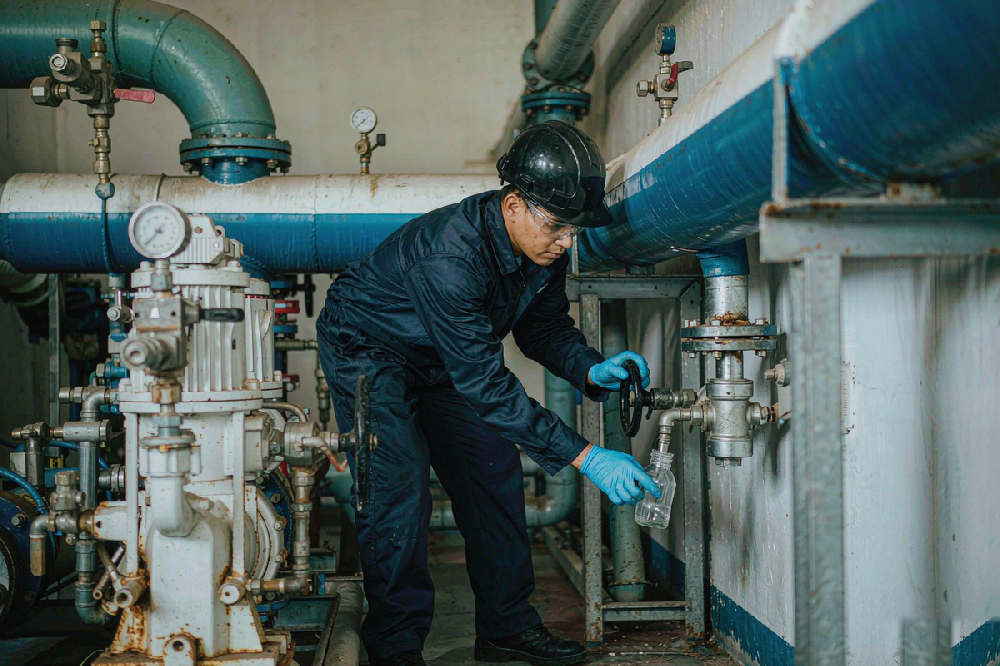
A closed loop is never fully closed. Air enters through seals. Local hot spots form at pumps and valves. Each cycle chips away at the molecule.
Oxidation turns part of the glycol into organic acids. One of them is oxalic acid. It is the same compound found in rhubarb leaves, and it is not something you want building up in a shared utility loop.
The chain is simple to state:
Glycol meets heat and oxygen.
Organic acids form, oxalic acid among them.
Acids attack the metal walls.
Rust and sludge appear.
The fluid becomes contaminated waste.
None of this happens on the first day. It builds over seasons of operation.
Oxalic acid is the quiet hazard
People worry about the glycol itself. The bigger issue is what it becomes. Oxalic acid is toxic, and it binds with metal ions. That binding feeds the sludge problem.
| What you watch | What it means | Why it matters |
|---|---|---|
| pH drift | Acids are forming | Early warning of oxidation |
| Metal-ion rise | Walls are corroding | Sludge is being born |
| Clarity loss | Solids are suspended | Filtration load grows |
| Odor change | Breakdown is active | Operator can smell it |
A loop that looks fine on paper can still carry a rising acid load. Sampling catches it. Waiting does not.
Corrosion turns fluid into waste
Corrosion is not only a hardware problem. It is also a waste problem. Rust, sludge and contaminated carrier fluid all leave the system at overhaul.
One chemical plant reported that a single annual overhaul produced rust sludge by the drum load. That sludge, plus the contaminated carrier, must be handled as regulated waste. Transport and disposal carry both cost and leakage risk.
| Stage | What leaves the loop | How it is classed |
|---|---|---|
| Normal run | None | In-service fluid |
| Minor corrosion | Trace solids | Filter catch |
| Major overhaul | Rust, sludge, spent fluid | Regulated waste |
| Spill event | Bulk contaminated fluid | Environmental incident |
The point is not the number. The point is the slope. Once corrosion starts, waste volume climbs year after year.
Three EHS points worth scoring
EHS teams should score a carrier fluid on more than freeze point and heat transfer. Three points matter most.
Does the fluid itself carry toxicity?
Does it create toxic breakdown products while running?
How much secondary solid and liquid waste does corrosion add?
These three map directly to real environmental duty and real disposal cost. They are also the points most spec sheets skip.
Inhibited formulas change the slope
A plain glycol relies on you to add inhibitor on time. A formulated carrier builds the protection in. Glacier Coolant offers LM-4, a modified polyol carrier, and a slow-release glycol option for plants that prefer it.
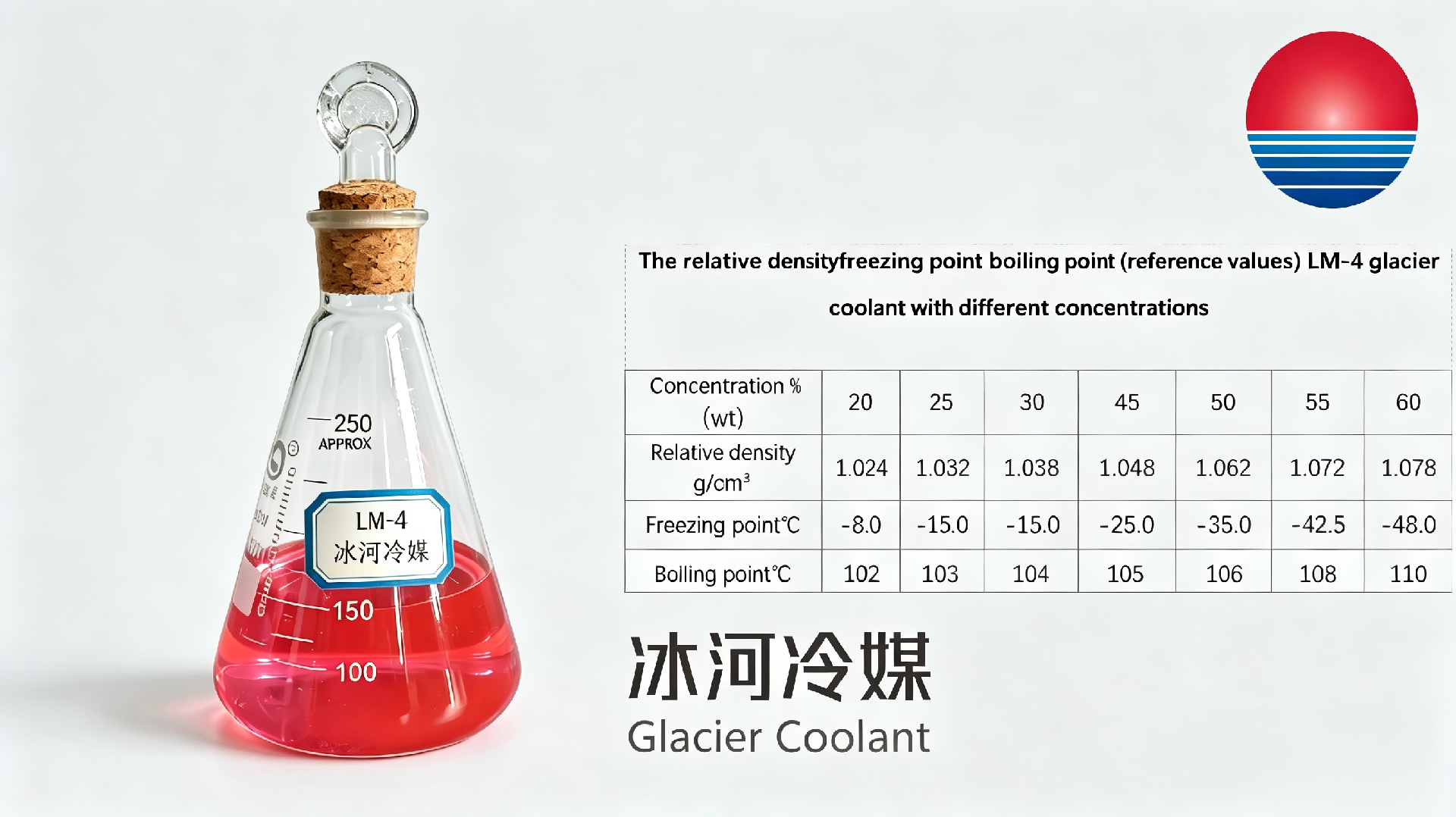
LM-4 blends dedicated corrosion, anti-fungal and water-stability agents. Its active content is high. It is low-toxicity and hard to ignite. At 100°C its volatile loss stays small.
After commissioning, on-site sampling typically shows clear fluid and low metal-ion levels. Rust and sludge drop. Annual hazardous waste from overhaul falls with them.
| Option | Best when | Watch out |
|---|---|---|
| Plain ethylene glycol | Budget is tight, change is frequent | Inhibitor must be added on schedule |
| Inhibited glycol | Stable mid-size loop | Re-inhibit on time |
| LM-4 modified polyol | Long runs, EHS pressure | Confirm alloy list first |
What to do this quarter
Do not wait for the next overhaul to learn the truth. Pull a sample now. Read pH, metal ions and clarity. If two of the three move, the loop is already on the slope.
A carrier change is cheaper than a waste event. It is also cleaner than a retrofit after corrosion has set in.
How the molecule actually changes
Oxidation is not one event. It is a slow chain that runs whenever glycol meets heat, oxygen and a metal surface at the same time. The process starts at local hot spots. Pumps, valves and poorly insulated pipe runs all create spots hotter than the loop average.
At those spots, the carbon chain in the glycol begins to lose hydrogen. The first products are aldehydes. Aldehydes are reactive and short-lived in the loop. They quickly take on more oxygen and become carboxylic acids.
Several acids form along the way. Formic acid and glycolic acid appear early. Oxalic acid tends to appear later, and it causes the most trouble because it binds strongly with metal ions.
None of these acids is part of the original fluid. They are made inside the loop, by the loop, while the system is working normally. That is why a fluid can pass a fill check on day one and fail an environmental check three years later.
The reaction needs three things: heat, oxygen and time. Remove any one of them and the slope flattens. A well-sealed loop with clean, dry make-up and a built-in inhibitor removes two of the three at once.
Reading a sample like an EHS lead
A single sample is a snapshot. A trend is a verdict. EHS leads should track three numbers across seasons, not only at overhaul.
pH tells you whether acids are winning. A steady drop means oxidation is active even if the fluid still looks clear. Conductivity tracks dissolved ions from corrosion. A rising line means metal is leaving the wall and entering the waste stream.
Turbidity and color catch suspended solids. These solids are the early form of the sludge that later leaves the system as regulated waste. A small change here is far cheaper to fix than a bulk change later.
| Sample check | Healthy sign | Action trigger |
|---|---|---|
| pH | Stable or buffered | Drop over two samples |
| Conductivity | Flat | Steady climb |
| Turbidity | Clear | Visible haze |
| Odor | Neutral | Sour or chemical note |
Sample at the same point each time. Use the same lab method. Trends only mean something when the comparison is fair. A loop that passes a spot check can still be on the wrong slope.
Where the carrier choice changes the math
The choice made at fill time sets the waste curve for the whole service life. A plain glycol puts the burden on the operator schedule. A formulated carrier moves the burden into the product design.
This is the difference between fighting oxidation every quarter and letting the fluid resist it. For plants under EHS pressure, the second path is usually the quieter one.
The cost of waiting
Waiting feels free. It is not. A loop on the oxidation slope costs more each season, and the bill arrives as waste, not as a line item you can plan.
The cheap version of this story is a sample and a carrier review this quarter. The expensive version is an overhaul with a half-ton of regulated sludge and a disposal contract nobody budgeted for. The chemistry does not care which one you pick. It only keeps moving.
EHS teams that win here act on trend, not on crisis. They sample on a calendar. They read the three numbers. They change the carrier before corrosion writes the schedule for them. That habit turns a growing liability into a managed one
FAQ
Is ethylene glycol toxic when it degrades?
The base fluid has known toxicity. Degradation can add oxalic acid, which is toxic and binds metals.
What does oxalic acid do in a cooling loop?
It lowers pH, attacks metal walls and feeds sludge. It is the bridge from oxidation to corrosion.
Why does corrosion create hazardous waste?
Rust, sludge and spent carrier must leave the system at overhaul and are classed as regulated waste.
How does an inhibited formula help?
It slows acid formation and wall attack, so less sludge forms and less waste leaves the loop.
What is LM-4?
LM-4 is a modified polyol carrier from Glacier Coolant with built-in corrosion, antifungal and water-stability agents.
How often should I sample the loop?
At least each season, and always before a planned overhaul or a carrier change.
Does temperature affect glycol oxidation?
Yes. Hot spots at pumps and valves speed the reaction more than the average loop temperature suggests.
How do I cut hazardous waste from refrigeration?
Sample early, keep pH and metal ions low, and use a formulated carrier that limits corrosion at the source.
Can I just add inhibitor to plain glycol instead of switching?
You can, but it only works if the schedule is strict and the dose is right. Many loops fall behind, and the acid slope returns.
What metal ions should I track in the sample?
Iron and copper are the usual first movers in steel and mixed-metal loops. Their rise tracks the early corrosion that becomes sludge.
Is the contaminated fluid always hazardous waste?
Once corrosion solids and spent carrier mix, most jurisdictions class the bulk as regulated waste. Local rules decide the exact label.
Should a small plant worry about glycol oxidation?
Yes. Small loops are often opened more and sampled less, which lets the slope run longer before anyone notices.
How do I start a tracking program?
Pick one sample point, one lab method and one season. Record pH, conductivity and clarity, then compare across the year.