
One Fluid for Both Directions: Heating and Cooling a Batch Reactor
A batch reactor that swings from cooling to heating on the same jacket is a two-direction duty. One formulated fluid can carry both — which removes the change-over, the second loop, and the contamination interface.
A reactor that cools a batch at minus twenty in the morning and heats the same jacket to one hundred twenty in the afternoon is asking one loop to do two opposite jobs. Most fluids are bought for one direction. The reactor needs both, and the swing between them is the hard part. Glacier Coolant supplies secondary refrigerants to batch reactors, and the combined heating-and-cooling duty is one we spec often. This article explains why a single formulated fluid can run both directions, and why that removes more than just a second drum. The reactors that gain the most move a wide temperature window in a single day. That is the duty a single-purpose fluid was never built to survive. In a batch reactor the temperature is a recipe step. Cool to stop a reaction, heat to drive the next one, often on the same jacket within the same day. The fluid does not get to rest at one temperature; it tracks the batch. A fluid picked only for the cooling leg can break down on the heating leg. A fluid picked only for heat may not flow at the cold setpoint. The grade has to span the band, not favour one end. The obvious answer is two loops, or two fluids changed between batches. Both create problems a single fluid avoids. The change-over is the expensive part. Every switch is a window where the batch waits and the loop is open. A single fluid that spans the band removes the switch, and the switch is where most reactor cooling problems actually start. We support a pharmaceutical plant in eastern China that has swung the same jacket from about minus twenty to one hundred twenty Celsius since 2012, on one formulated grade. The duty is not gentle — it is a daily swing across a wide band — and the single fluid has carried it without the change-overs a two-loop design would need. That plant is the proof that the one-fluid approach is operational, not theoretical. The grade was chosen for the span, not for a single temperature, and the span is what has kept the reactor running both directions for over a decade. When the plant first described the duty, the default answer from most suppliers was two loops. The single-fluid route was the one that removed the change-over, and the change-over was the part costing them time on every batch. For a combined heating-and-cooling duty, the grade is judged on the band, not the endpoints. The two ends are easy to quote on a datasheet. The hard part is the stretch of temperatures the fluid sits in while the jacket swings. A grade that looks good only at the two ends can still let go in the middle of the swing. The inhibitor is the quiet requirement. A reactor jacket sees heating and cooling through the same wall, so the film has to protect through both. A package written for one direction can let the other end corrode the wall it shares. In practice the inhibitor load is set by the worst temperature-and-metal combination on either leg. That is the number most off-the-shelf coolants never publish. Two loops or two fluids mean two chances for the cooling side and the product side to meet. In a reactor that meeting is a batch loss, not a maintenance note. A single secondary fluid, kept in the jacket only, removes the second system and the second interface. The product side is sealed by the jacket wall either way. Fewer systems touching that wall means fewer ways for a mistake to become a lost batch. This is why we push the one-fluid design where the band allows it. The saving is not only the second drum. It is the interface you no longer have to seal, sample, and worry about. The loop-care notes cover the metal side; the one-fluid choice covers the interface side. A plain inhibited glycol would need a second loop to reach the hot end. A single engineered grade can do both. We make the point in the glycol versus engineered coolant comparison: the question is whether your band fits one fill, not glycol against formulated. The temperature band is the spec, not the peak. Buyers quote the high setpoint and forget the low one, or quote the low and forget the swing between. The grade is chosen for the whole range the batch visits, because the batch visits all of it, often in one shift. When we name a reactor grade, the band comes first and the endpoints second. A fluid that spans minus twenty to one hundred twenty is not two fluids averaged; it is one formulation built to stay stable across the swing. That is the property a decade of combined heating and cooling actually tests, and it is the property a change-over design never has to prove because it never holds the band in one fill. The band is not a number you estimate; it is read from the recipe. Each cooling or heating step has a setpoint. The fluid has to stay liquid and protective at every one, plus the ramp between. The lowest cooling setpoint sets the freeze risk. The highest heating setpoint sets the boiling and breakdown risk. The ramps in between set the viscosity and film stress. A useful habit is to list the setpoints before choosing the grade, not after. Buyers often name the heating peak because that is what they worry about, then discover the cooling leg freezes at start-up. The one-fluid design only pays off when the grade is matched to the whole list, so the list has to be complete. If a step was dropped from the recipe last year, the band may have narrowed. A narrower band can open the door to a simpler, cheaper grade than the original fill. A decade-plus duty does not mean you ignore the fluid. It means you sample it on the same rhythm as any loop, because the swing is constant wear even when nothing looks wrong. A regular sampling schedule catches inhibitor drift before the heating leg shows it. The reactor that samples its one fluid is the reactor that keeps running both directions without a surprise change-out. Can one coolant heat and cool a reactor? Yes, if the grade spans the band. A formulated fluid chosen for the full temperature range carries both legs without a change-over. Why not use two separate loops? Two loops mean double the hardware and double the leak points, plus a contamination interface with the product side. One fluid in the jacket removes the second system. What breaks a fluid on the heating leg? Breakdown at the high setpoint, or a boiling margin too small for the heating duty. The grade must stay liquid and stable through the hot leg. What breaks it on the cooling leg? Freeze at the low setpoint, or viscosity too high for the pump to move. The grade must flow at the cold setpoint, not just at rated. Is the one-fluid design proven? We support a plant that has swung the same jacket from about minus twenty to one hundred twenty Celsius on one grade since 2012. It is operational, not theoretical. Does the inhibitor need to be special? It must hold through both directions, because the jacket wall sees heating and cooling through the same surface. A one-direction package can let the other end corrode. How often should I sample a reactor fluid? On the same rhythm as any loop — a six-month profile, plus a sample after any upset. The swing is constant wear even when nothing looks wrong. Can I switch to one fluid from two? Usually, if the grade spans your band. Send the band and the metals; we name the grade and the reason, not a default. A batch reactor that swings from cooling to heating on one jacket is a two-direction duty, and one formulated fluid can carry both. The win is not only a second drum avoided; it is the change-over, the second loop, and the contamination interface you no longer have to manage. Send us your temperature band and your jacket metals. Glacier Coolant will return a grade that spans both directions, and the reason it holds, so your reactor runs the recipe instead of fighting the loop. If your loop already runs two fluids, send both grades and the band — we will tell you whether one fill is safe before you change anything.The swing is the duty, not the exception
Direction What the jacket asks What the fluid must hold Cooling Remove reaction heat fast, no freeze at the low end Low viscosity at the cold setpoint, stable film Heating Carry heat to the high setpoint High boiling margin, no breakdown 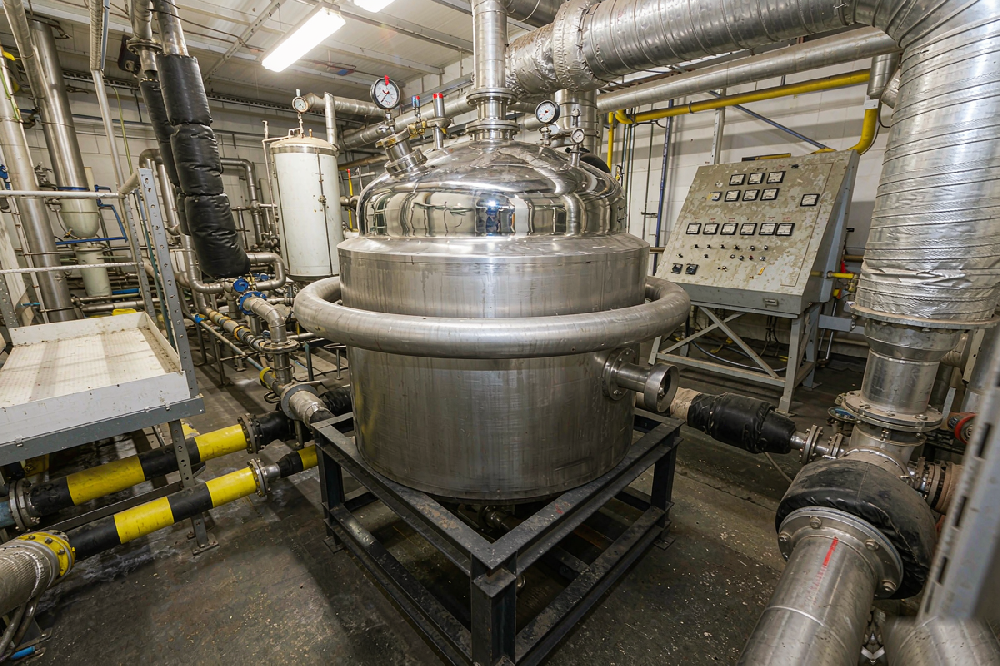
Why two fluids is a trap
Two-fluid approach What it costs you Separate cooling and heating loops Double the hardware, double the points to leak Change the fluid between batches Downtime, a drain, a fill, a contamination risk A fluid at one end of the band Failure or freeze at the other end A reactor that has run both ways for years
What the fluid must prove
Property Why the reactor needs it Stable across the full band No breakdown on the hot leg, no freeze on the cold Low viscosity at the cold setpoint The pump still moves fluid when cooling High boiling margin The heating leg stays liquid Inhibitor that holds both ways The metal sees both directions, not one The contamination risk nobody prices
The band is the spec
Reading the band from the batch recipe
A decade-plus duty still means you sample
FAQ
Final thoughts