
The Fluid Went Brown: A First-Hour Field Response
A discoloured coolant sample is a message, not a verdict. Here is the first-hour response we give over the phone: what the colour means, what to do in sixty minutes, and what not to do before the lab speaks.
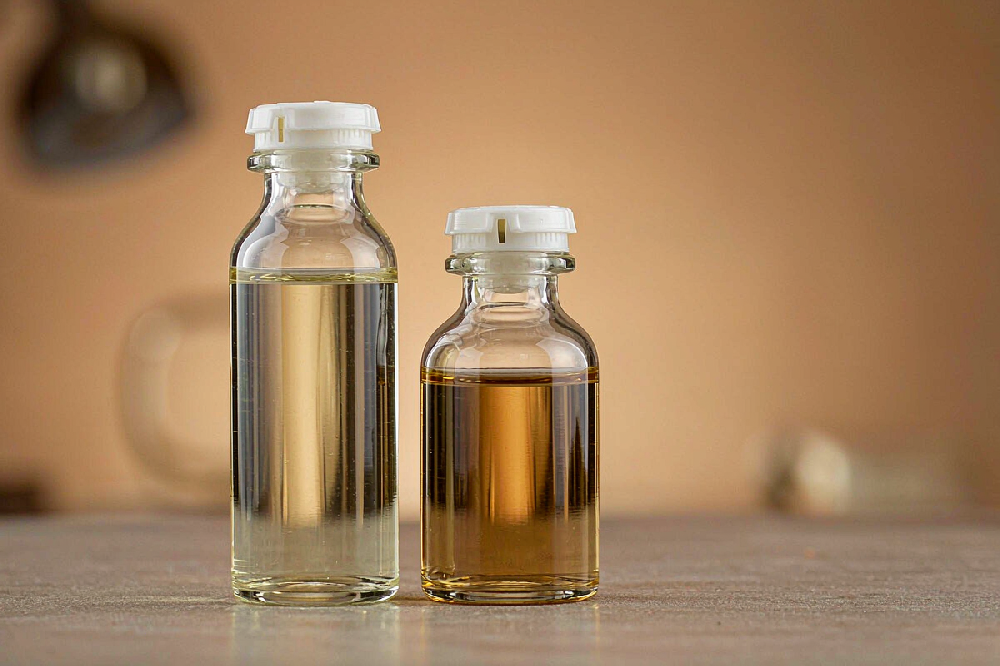
You lift the cap and the fluid is not the colour it left the drum. It is brown, or black, or there is a red-brown sediment at the bottom you did not put there. The instinct is to drain it. The cheaper move is to read it first.
Discolouration is also the most misread signal, because colour feels like proof. It is not. Brown can be harmless suspension or the start of a metal leaving the loop. The job in the first hour is to convert the feeling of proof into a reading you can act on, before you pour the evidence down the floor drain.
Glacier Coolant supplies formulated secondary refrigerants, and a discoloured sample is the most common jar we receive. This article is the first-hour response we give over the phone: what the look tells you, what to do in the first sixty minutes, and what not to do before the lab speaks.
What the look is trying to say
Colour and clarity are the fastest signal a loop gives you. They are not a diagnosis, but they narrow the search before you open a valve, and that narrowing is worth more than most people credit.
| What you see | The short list of causes |
|---|---|
| Pale yellow, still clear | Usually early oxidation or additive shift; low urgency |
| Brown, clear | Organic breakdown or mild steel corrosion products in suspension |
| Black, opaque | Advanced corrosion, carbon, or severe breakdown; act soon |
| Red-brown sediment | Iron or steel dissolving; a metal is leaving the loop |
| Milky or cloudy | Water or another fluid has entered; check seals and shared lines |
None of these is a verdict. A black fluid can be cosmetic in a well-inhibited loop, and a clear fluid can be out of spec on concentration. The look tells you which question to ask first, not the answer, and asking the right first question is half the battle.
The first hour, step by step
The first sixty minutes decide whether you learn from the event or bury the evidence. The order matters more than the speed, because a wrong early move is hard to undo once the fluid is gone.
| Do this | Not this |
|---|---|
| Draw a sample from a live point into a clean jar | Do not drain the whole loop before sampling |
| Label it with loop, date, temperature | Do not guess the cause and top up blind |
| Note any smell and any recent upset | Do not add a different grade to "fix" the colour |
| Send the jar to the lab | Do not run the loop hot to "burn it clean" |
The one mistake we see most is the blind top-up. Someone adds more fluid to hide the colour, which dilutes the signal and can mix two grades in the same loop. A mixed loop is harder to read than a dirty one, and harder to recover. The top-up feels like action; it is usually the step that destroys the clue.
What the lab actually checks
A discoloured sample goes further than the eye. The profile we run separates "looks bad" from "is bad," and the gap between those two is where most money is saved or lost.
| Test | What it finds |
|---|---|
| Corrosion indicators | Which metal, if any, is dissolving |
| Water and oil content | Whether a leak or a shared line entered |
| Concentration | Whether the freeze or boil margin still holds |
| Clarity and sediment | Whether solids are in suspension or settled |
| Foreign fluid screen | Ammonia, compressor oil, or process media |
In our service ledger, corrosion accounts for 23% of field calls, and many of those arrive as a discoloured sample first. A coastal cold store we supported found red-brown sediment in an aluminium coil; the coil had pinholes within two to three years. The sediment was the early warning the colour gave, if someone had read it. A copper-line plant we saw showed chloride above the tolerance that lets pitting start; the sample caught it before the first leak.
The smells worth a faster call
Some signals outrank colour. A sharp or chemical smell can mean ammonia, compressor oil, or a process fluid has entered from a shared line. Those are not cosmetic, and they change what you do next.
A sweet or chemical odour often points to a leak from another system, not to the fluid itself.
A rotten or sulphur note can mean biological activity in an open loop.
Any smell you did not have at fill should trigger a same-day sample, not a wait.
We have had more than one jar where the smell told the story the colour hid. Trust the nose when it disagrees with the eye, because the nose is reading a volatile you cannot see.
A brown fluid that kept running
We were called to a batch reactor where the jacket fluid had gone brown over a season. The plant assumed the worst and scheduled a full change-out. The profile showed mild steel products in suspension, inhibitor still active, no dissolved metal. A controlled top-up and a filter pass brought the colour back, and the loop ran on for years. The brown was a warning the plant read in time, not a corpse.
The point is not that every brown fluid is harmless. It is that the colour alone cannot tell you which one you have. The reactor above looked like a failure and behaved like a warning. A sample is what tells them apart, and the difference is a change-out you may not have needed.
The cost of guessing
Guessing is expensive in both directions. Guess "replace it" and you bill a change-out the loop did not need. Guess "ignore it" and you let a dissolving metal run until the leak finds you. The sample is the only move that costs little and rules out the expensive mistakes.
A jar and a label is cheaper than either wrong call, and it is the one step a busy week tends to skip. The loops that fail without warning are rarely the ones that were never sampled. They are the ones sampled once, years ago, and then trusted on memory.
What we ask for in the first jar
When you send a discoloured sample to Glacier Coolant, the first jar should carry four things beyond the fluid:
The grade you believe is in the loop.
The metals the fluid touches.
The last time you topped up, and with what.
Any upset in the past month — a water-ingress event, a mix-up, a hot run.
That context turns a colour into a cause. Without it, the lab can still read the fluid, but it cannot tell you whether the event was Tuesday or last spring. Our note on corrosion forming in cooling loops explains why the metal list matters most, because the metal names the test the profile has to run.
After the lab speaks
The result gives you three paths, not one. If the inhibitor is tired, a top-up or a controlled additive step may be enough. If a metal is dissolving, the loop needs attention whether or not you change the fluid. If a foreign fluid entered, the source has to close before any fluid will stay clean.
A discoloured sample is rarely a reason to replace everything. It is a reason to know which of the three paths you are on. Replacement is the last step, not the first, and a regular sampling rhythm is what keeps the next surprise small. You can review the grades this applies to in our product collection.
When to call us the same day
Three signals should shorten the clock from "this week" to "today":
Any sharp or chemical smell from the fluid.
Red-brown sediment you can see settling at the bottom.
A sudden colour change after a known upset, such as a water-ingress event.
None of these means the loop is lost. All of them mean the first jar should already be on its way. The sixty minutes you spend sampling beat the sixty hours a blind response can cost.
FAQ
Why did my coolant turn brown?
Brown usually means organic breakdown or mild steel corrosion products in suspension. It is a signal to sample, not a verdict. The lab tells you which.
Is black fluid always a serious problem?
Not always. A well-inhibited loop can look dark and still be in spec. But black and opaque deserves a fast sample, because it can mean advanced corrosion.
Should I drain the loop as soon as I see discoloration?
No. Draw a sample first, from a live point. Draining before sampling destroys the evidence you need to pick the right fix.
Can I just top up to hide the colour?
Do not. A blind top-up dilutes the signal and can mix two grades in one loop, which is harder to read and recover than a dirty fluid.
What does a smell from the fluid mean?
A sharp or chemical odour often means a leak from another system — ammonia, compressor oil, or process media. Treat it as a same-day sample.
How fast should I act on a discoloured sample?
Same day for any smell or any red-brown sediment. Within days for a slow colour shift. The first jar sets the clock.
Will the fluid damage my equipment if I keep running?
If a metal is dissolving, yes, and the damage grows while you run. The profile tells you whether that is happening before you commit to a shutdown.
Does Glacier Coolant analyse discoloured samples?
Yes. Send the grade, the metals in contact, the last top-up, and any recent upset. We return a profile and a note on which of the three paths you are on.
Final thoughts
A discoloured fluid is a message, not a verdict. The first hour is for reading it — sample from a live point, label it, and let the lab name the cause. The blind top-up is the most expensive response, because it hides the one clue you had.
Send us the first jar with the context above. Glacier Coolant will return a profile and a clear next step, not a guess and a bill for a full change-out you may not have needed.