LM-4D Liquid Cooling Coolant: Transforming BESS Thermal Management
Advanced Solutions for Battery Energy Storage System Cooling Efficiency
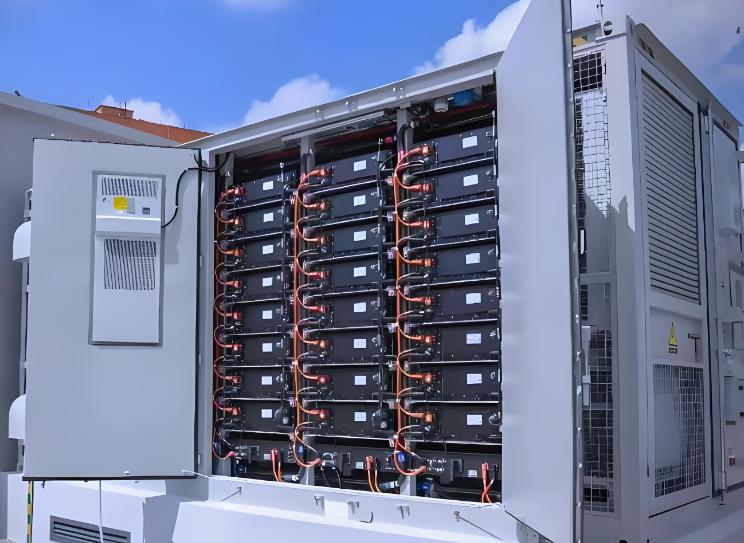
The global energy transition is driving unprecedented growth in battery energy storage systems (BESS). As renewable energy integration accelerates and dual carbon goals become paramount, energy storage has evolved from an "auxiliary role" to a core infrastructure supporting generation, grid, load, and storage integration.
Central to BESS performance and safety is effective thermal management. Traditional air cooling struggles with heat dissipation efficiency and temperature uniformity, making liquid cooling the industry's future direction. At the forefront of this transformation is Glacier Coolant LM-4D, a specialized coolant engineered for cold plate liquid cooling systems.
The Shift to Liquid Cooling in BESS
Current BESS cooling technologies are primarily divided into two categories: air cooling and liquid cooling.
Air Cooling: Mature technology with low initial costs, but limited heat dissipation efficiency and poor temperature uniformity
Liquid Cooling: Higher heat dissipation efficiency with precise temperature control, ideal for high-density energy storage
High Heat Dissipation Efficiency
Liquid cooling significantly outperforms traditional air cooling, quickly removing high-density heat loads from battery modules.
Superior Temperature Uniformity
Effective temperature difference reduction within battery packs ensures longer cycle life and consistent performance.
High Energy Density
Eliminates dedicated air ducts, saving space and improving system integration for higher energy density configurations.
Strong Environmental Adaptability
Less susceptible to external ambient temperature fluctuations, ensuring stable operation in extreme environments.
LM-4D: Engineered for Cold Plate Liquid Cooling
Glacier Coolant offers two specialized products for BESS cold plate liquid cooling systems:
LM-4D: Ultra-Low Conductivity Solution
LM-4D is a modified ethylene glycol-based coolant designed for applications requiring ultra-low electrical conductivity. With conductivity <5 µS/cm, it provides maximum electrical safety while delivering exceptional cooling performance.
| Concentration (wt%) | Freezing Point (°C) | Boiling Point (°C) | Viscosity (20°C, cP) | Conductivity (μS/cm) |
|---|---|---|---|---|
| 25 | -10 | 103 | 1.95 | 3.05 |
| 30 | -15 | 104 | 2.21 | 3.11 |
| 35 | -18 | 105 | 2.58 | 2.86 |
| 40 | -23 | 106 | 2.13 | 2.58 |
| 50 | -35 | 108 | 3.88 | 1.50 |
| 55 | -42 | 109 | 4.52 | 1.96 |
LM-4D-YE: Extended Temperature Range
LM-4D-YE extends the operating temperature range to -35°C ~ 150°C, making it suitable for systems requiring both cooling and heating functions. Compatible with carbon steel, copper, aluminum, and stainless steel.
Key Technical Advantages
Non-Flammable: Zero flash point ensures maximum safety in energy storage applications
Fully Organic Inhibitors: Environmentally friendly corrosion protection without heavy metals
Wide Compatibility: Works with copper, brass, stainless steel, and aluminum alloys
Ultra-Low Conductivity: LM-4D achieves <5 µS/cm for maximum electrical safety
Applications Across BESS Scenarios
Commercial & Industrial (C&I) Energy Storage
LM-4D enables higher energy density configurations, saving land occupation and improving return on investment for factories, industrial parks, and commercial complexes.
Grid-Side Large-Scale Energy Storage
For shared energy storage stations with high safety and reliability requirements, LM-4D provides the foundation for safe, stable operation of large-scale systems.
Extreme Environment Applications
In harsh conditions like Qinghai and Xinjiang (high altitude, large temperature differences, heavy sandstorms), LM-4D ensures long-term reliable operation.
Critical Infrastructure Backup
Data centers and communication base stations with high power supply continuity requirements benefit from LM-4D's safety and long lifespan.
Industry Adoption Trends
Major energy groups including China National Nuclear Corporation, PetroChina, China Energy Investment Corporation, and Huadian Group have initiated liquid-cooled energy storage procurement projects, recognizing the superior performance of liquid cooling technology over traditional air cooling.
Ready to Upgrade Your BESS Cooling System?
Contact Glacier Coolant today for a comprehensive assessment of your liquid cooling requirements. Our technical experts will help you select the optimal coolant solution for your energy storage system.
Request Technical Consultation
Frequently Asked Questions
Q: What is the difference between LM-4D and LM-4D-YE?
Q: Which metals are compatible with LM-4D?
Q: What water quality is required for LM-4D dilution?
Q: What concentration is recommended for most BESS applications?
Data Sources: All product specifications presented in this article are sourced from Glacier Coolant technical documentation and third-party testing reports.