
How Glacier Coolant is Revolutionizing Data Center Cooling Efficiency
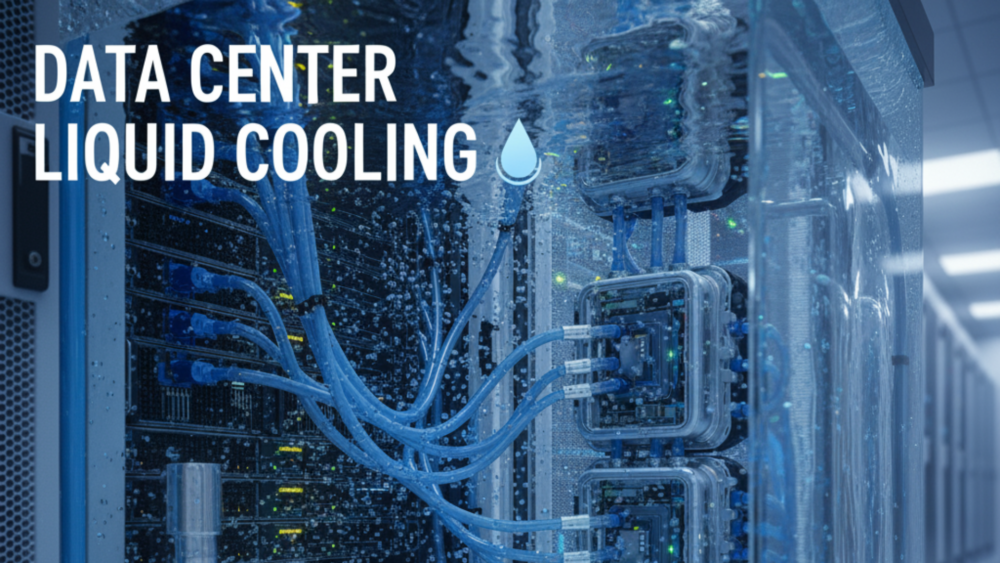
The Growing Challenge of Data Center Heat Management
In an era where digital infrastructure underpins nearly every aspect of modern business, data centers have become the backbone of our connected world. However, with this exponential growth comes a significant challenge: managing the massive heat generated by servers, storage systems, and networking equipment. Traditional cooling methods are struggling to keep pace with increasing power densities, leading to higher energy costs, reduced reliability, and environmental concerns.
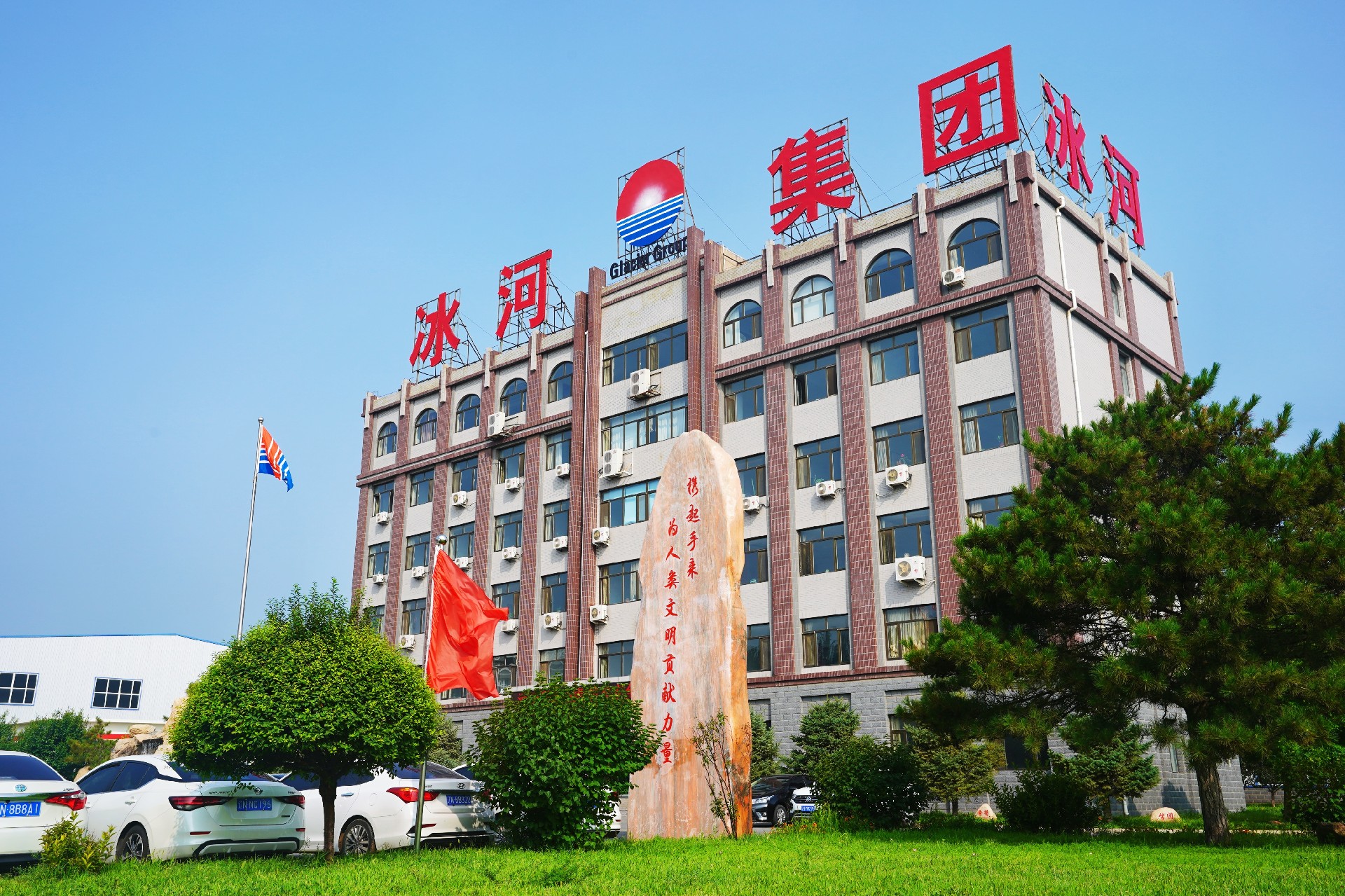
Glacier Coolant Technology (Beijing) Co., Ltd. has emerged as a pioneering force in addressing these challenges through their innovative heat transfer fluid solutions. With over 30 years of expertise in secondary refrigerant technology, the company is transforming how data centers manage thermal loads while achieving remarkable energy efficiency gains.
Understanding Secondary Refrigeration in Data Centers
Secondary refrigeration systems utilize specialized heat transfer fluids to move cooling capacity from where it is generated to where it is needed. Unlike direct refrigeration systems, secondary systems offer greater flexibility, improved temperature control, and reduced environmental impact. This approach has proven particularly effective in large-scale data center applications where consistent, reliable cooling is paramount.
Glacier Coolant's LM series coolants have been specifically engineered to meet the demanding requirements of modern data center operations. These include maintaining optimal temperatures even during peak processing loads, preventing corrosion in complex piping networks, and ensuring long-term system reliability with minimal maintenance requirements.
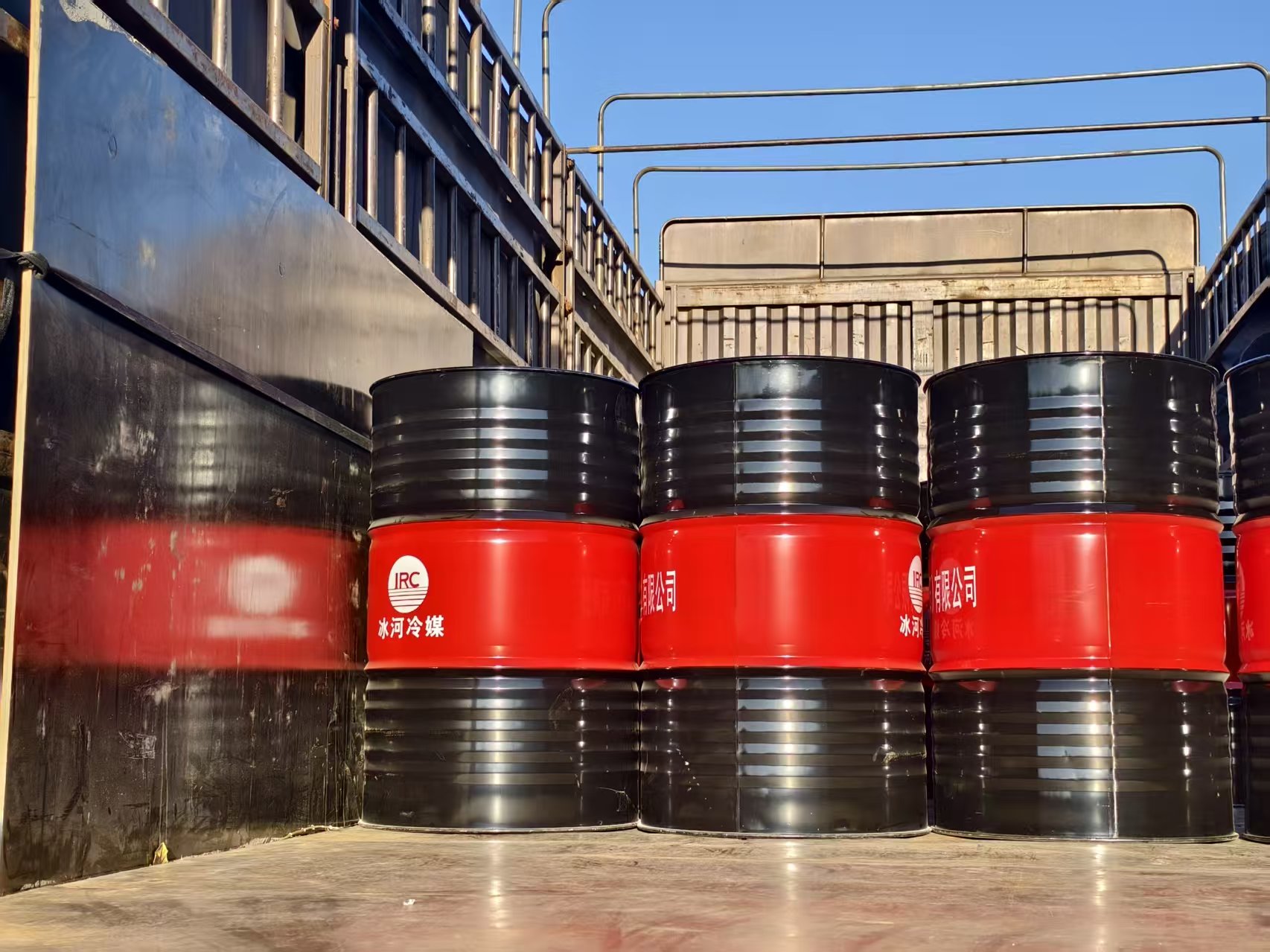
Key Advantages of Glacier Coolant Solutions for Data Centers
Exceptional Thermal Performance
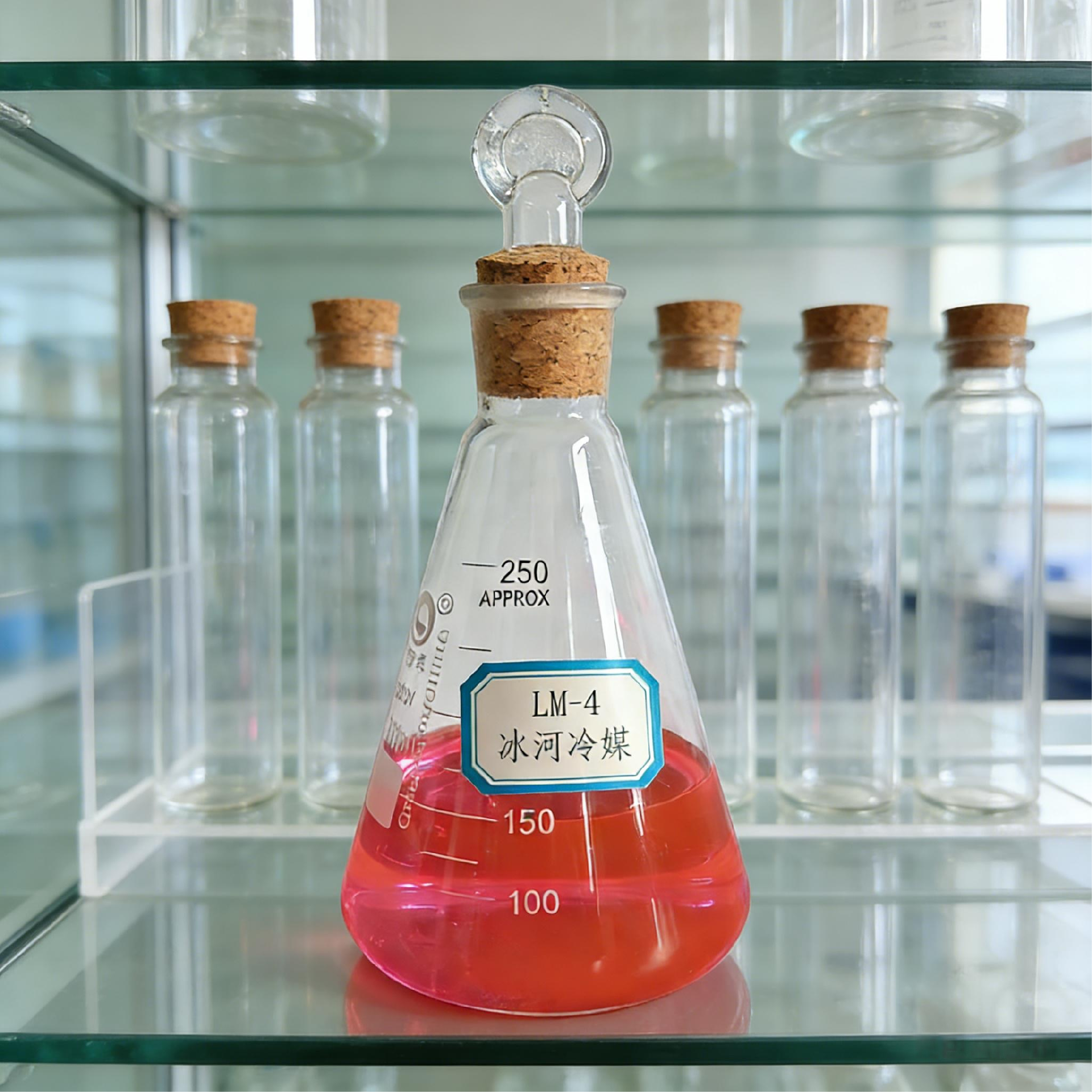
The LM-4 series coolants offer operating temperature ranges from -35°C to 150°C, making them suitable for various cooling applications within data center environments. The high specific heat capacity of these coolants ensures efficient heat absorption and transfer, allowing systems to maintain stable operating temperatures even under heavy computational loads.
In practice, data centers utilizing Glacier Coolant products have reported temperature variations of less than 2°C throughout their cooling loops, ensuring consistent operating conditions for sensitive electronic equipment. This thermal stability is critical for preventing performance throttling and ensuring maximum computational efficiency.
Corrosion Protection and System Longevity
One of the primary concerns in data center cooling systems is corrosion and scaling, which can lead to equipment failure, reduced efficiency, and costly repairs. Glacier Coolant's advanced formulations provide outstanding corrosion protection for all metals commonly used in cooling systems, including carbon steel, copper, and stainless steel.
The modified diol-based compositions create a protective layer on metal surfaces, preventing the formation of scale deposits and inhibiting galvanic corrosion. This extends the service life of cooling equipment, reduces maintenance requirements, and ensures reliable operation over extended periods.
Energy Efficiency and Cost Savings
Data centers are among the most energy-intensive facilities in the modern economy, with cooling systems accounting for a significant portion of total power consumption. Glacier Coolant's efficient heat transfer properties enable more effective cooling with less energy input, translating into substantial cost savings over time.
Facilities that have implemented Glacier Coolant solutions have reported energy savings of 15-25% compared to traditional cooling approaches. Combined with reduced maintenance costs and extended equipment lifespan, these solutions offer compelling economic benefits for data center operators.
Real-World Success: Xinjiang Petroleum Administrative Bureau
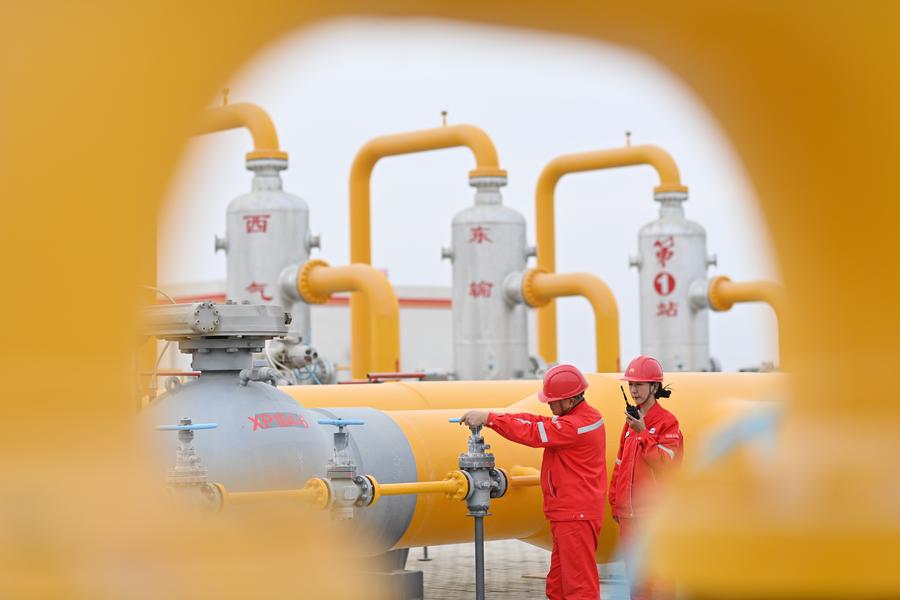
The Xinjiang Petroleum Administrative Bureau, affiliated with China National Petroleum Corporation, provides a compelling case study for Glacier Coolant's data center solutions. In 2020, the organization required a reliable cooling solution for its data center's air conditioning and cold storage systems.
After extensive evaluation, the bureau selected 80 tons of LM-4 Glacier Coolant for their cooling infrastructure. The results exceeded expectations: the systems have operated flawlessly, with minimal equipment loss and excellent long-term stability. This success has led to ongoing partnerships and recommendations to other petroleum industry facilities.
The Future of Data Center Cooling
As computing demands continue to grow and sustainability becomes increasingly important, data centers are seeking innovative solutions that balance performance, reliability, and environmental responsibility. Glacier Coolant is at the forefront of this transformation, continuously developing new products and refining existing formulations to meet evolving industry needs.
The company's commitment to research and development has resulted in a comprehensive product portfolio spanning temperatures from -110°C to 340°C, ensuring that virtually any cooling requirement can be addressed with a tailored solution. Their professional laboratory testing services, including thermophysical property analysis and quality control, provide customers with confidence in their cooling system performance.
Conclusion
The data center industry stands at a critical juncture, balancing the demands of digital transformation with sustainability imperatives. Glacier Coolant Technology offers a proven path forward, combining advanced heat transfer technology with decades of industry expertise to deliver solutions that benefit both operators and the environment.
For data center professionals seeking to optimize cooling performance, reduce energy consumption, and ensure long-term system reliability, Glacier Coolant represents a strategic partner in achieving these goals. With a proven track record spanning thousands of installations and continuous innovation in secondary refrigerant technology, the company is well-positioned to support the next generation of data center infrastructure.