PCM Phase Change Materials: Reduce Energy Costs by 25% with Advanced Thermal Management
Advanced thermal energy storage technology transforming temperature control across industries
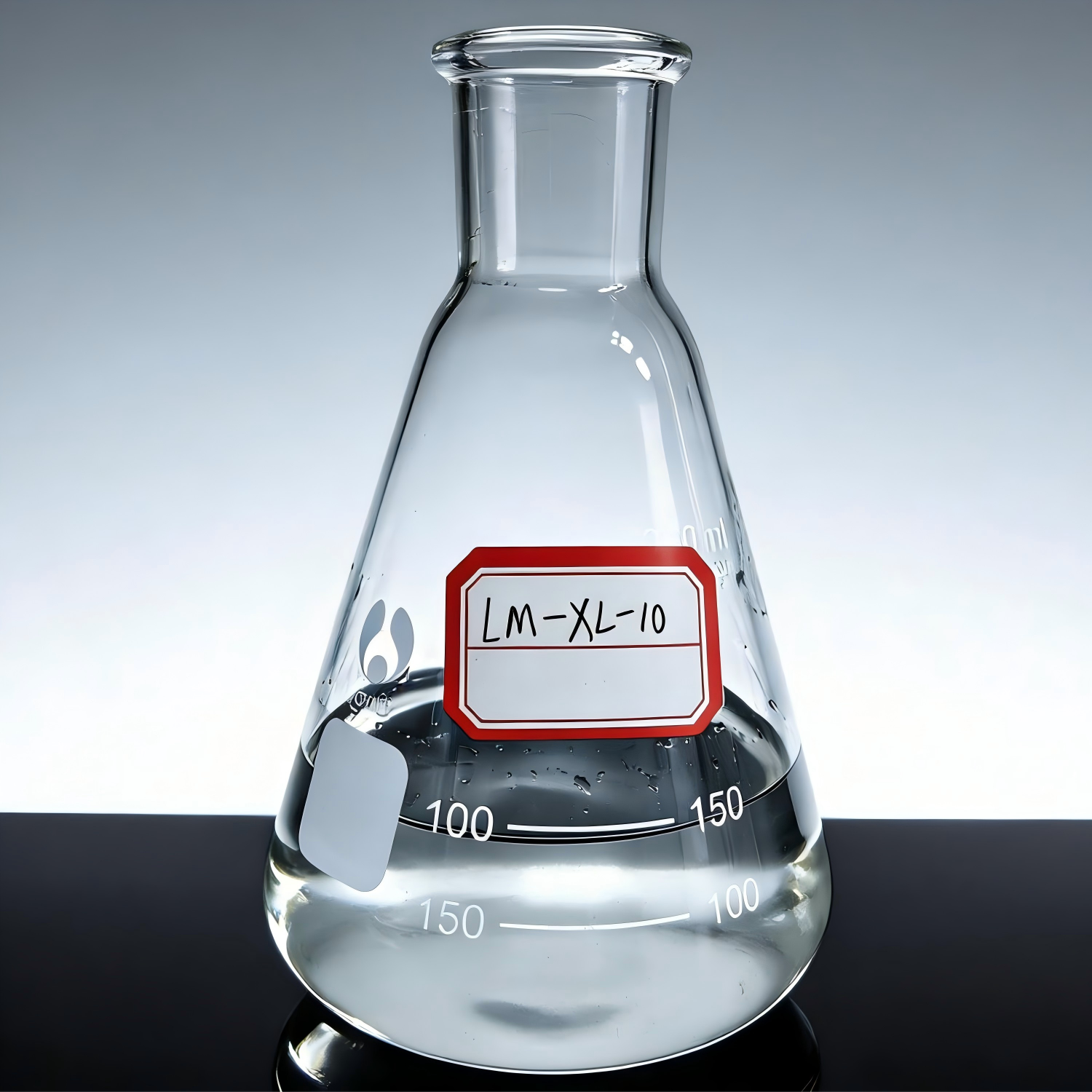
Phase change materials absorb heat during melting and release it during solidification
What are Phase Change Materials?
Phase Change Materials (PCM) are advanced thermal energy storage materials that store and release large amounts of thermal energy during phase transitions. Unlike traditional materials that rely solely on sensible heat (temperature change), PCMs utilize latent heat (phase change), providing exceptional thermal buffering capacity.
When a PCM transitions from solid to liquid (melting), it absorbs significant amounts of thermal energy without a substantial temperature increase. Conversely, when it solidifies, it releases this stored energy. This unique property makes PCMs ideal for applications requiring precise temperature control and thermal energy management.
The Science Behind Phase Change Materials
The key to PCM technology lies in the latent heat of fusion. When a material changes phase, the energy required to break molecular bonds (latent heat) is much greater than the energy required to change temperature (sensible heat). For example, melting 1kg of ice requires 334 kJ of energy, while raising the temperature of 1kg of water by 1°C requires only 4.18 kJ. This means PCMs can store 80 times more energy per degree temperature change compared to water.
Types of Phase Change Materials
Phase change materials can be categorized into three main groups based on their chemical composition, each with unique properties and applications.
Organic PCMs
Paraffins, fatty acids, and sugar alcohols. High latent heat, chemically stable, non-corrosive.
Inorganic PCMs
Salt hydrates, molten salts. High thermal conductivity, suitable for high-temperature applications.
Eutectic PCMs
Mixtures of organic or inorganic materials. Customizable melting points, improved stability.
Key Properties of Phase Change Materials
Effective PCM selection depends on several critical properties that determine performance and suitability for specific applications.
The temperature at which the material transitions from solid to liquid. Must match the target application temperature range.
The amount of energy stored/released during phase change. Higher values indicate better thermal storage capability.
Rate of heat transfer through the material. Higher conductivity improves charging/discharging rates.
Ability to maintain properties through repeated phase cycles without degradation.
Resistance to decomposition, oxidation, and corrosion of surrounding materials.
Minimal expansion/contraction during phase change to prevent container damage.
Applications of Phase Change Materials
PCM technology is revolutionizing thermal management across a wide range of industries, providing energy-efficient solutions to complex temperature control challenges.
📊 Data Center Cooling
Thermal buffering for high-density servers, reducing cooling energy by 25% and improving PUE ratings
🚚 Cold Chain Logistics
Maintaining precise temperatures during transport, reducing product spoilage by 40%
🏠 Building HVAC
Thermal energy storage for peak load shifting, reducing HVAC costs by 30%
🚗 Electric Vehicles
Battery thermal management, extending battery life by 30%
💊 Pharmaceutical
Precise temperature control for drug storage and transport
🔋 Energy Storage
Thermal energy storage for renewable energy systems
Advantages of Glacier Coolant PCM Technology
Glacier Coolant's proprietary PCM formulations offer significant advantages over traditional thermal management solutions:
Superior Energy Storage: 80x more energy storage capacity compared to water
Temperature Stability: Maintains precise temperature control within narrow ranges
Energy Efficiency: Reduces cooling/heating energy consumption by 20-30%
Long Cycle Life: >10,000 phase change cycles without degradation
Equipment Protection: Non-corrosive, compatible with all common materials
Environmental Friendly: Non-toxic, biodegradable formulations
Transform Your Thermal Management with PCM
Discover how Glacier Coolant's advanced phase change materials can optimize your thermal management systems, reduce energy costs, and improve operational efficiency.
📞 Contact Our PCM Experts Today |
customer@glaciercoolant.com