
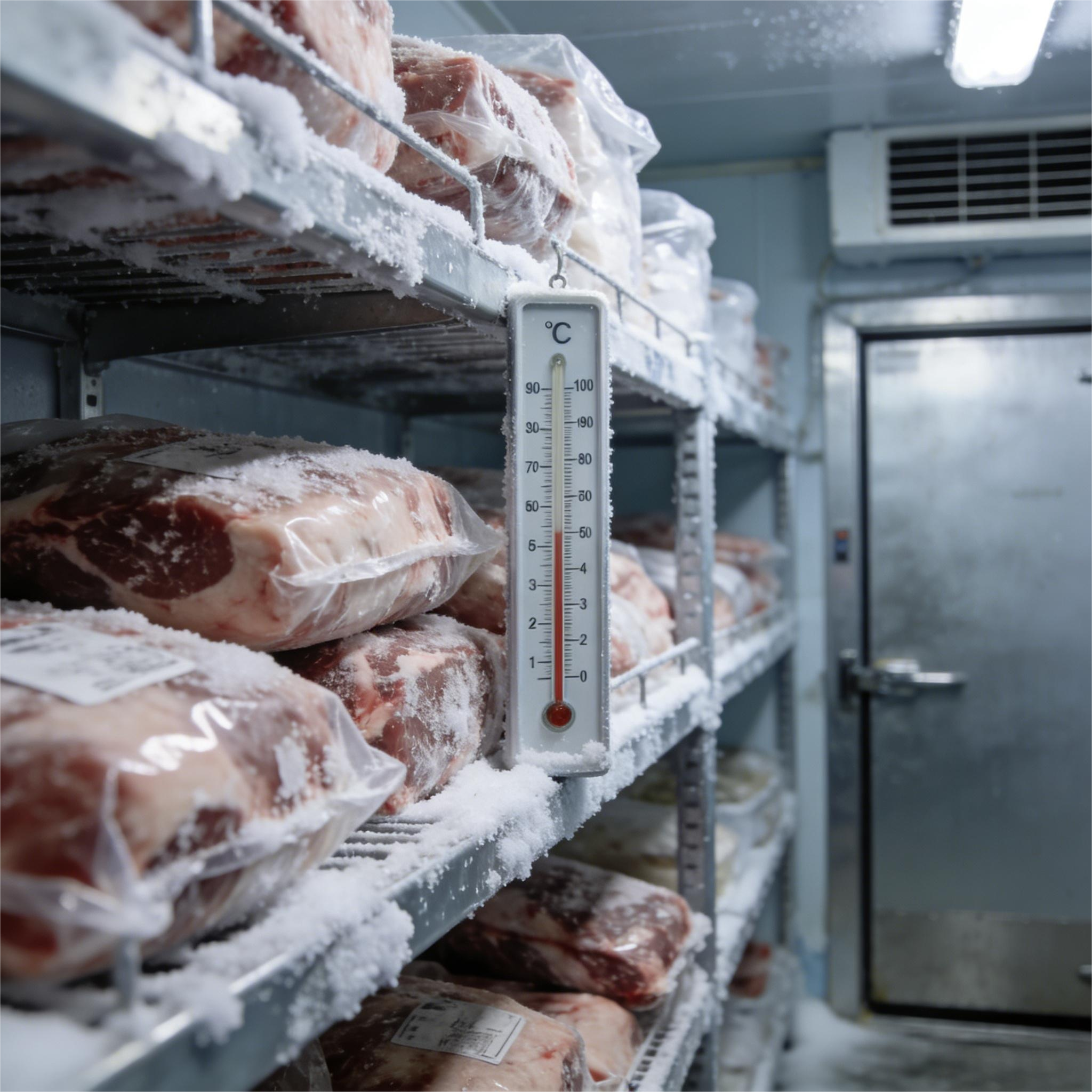
The "last mile" of cold chain logistics has long been the weakest link in perishable goods transportation. Across the industry, one challenge remains universal: temperature inconsistency. According to industry data, post-harvest loss rates for fresh produce in many regions range between 15% and 25%, significantly higher than the 5% threshold seen in developed cold chain networks. The primary culprit? A broken cold chain.
Traditional solutions—such as foam boxes paired with ice packs—have proven unreliable. Ice packs melt quickly, offering only brief cooling windows. Conventional insulated containers are often heavy, expensive, prone to damage, and require frequent replenishment of cooling agents, which limits transport efficiency and reliability.
Enter the phase-change insulated box: a next-generation innovation quietly reshaping the logistics landscape for temperature-sensitive goods. Unlike passive insulation, phase-change technology actively responds to external temperature fluctuations. When ambient heat rises, the phase-change material (PCM) absorbs excess energy by transitioning from solid to liquid, effectively preventing an internal temperature spike. When temperatures drop, the material reverses course, releasing stored thermal energy to maintain a stable internal environment.
Glacier Coolant, a company with over 30 years of expertise in secondary refrigerant development, has leveraged its deep understanding of thermal physics to create the LM-XL Series of phase-change energy storage products. Covering a temperature range from 0°C down to –30°C, the LM-XL series is engineered for high stability, substantial latent heat capacity, and excellent thermal conductivity—traits that have already proven successful in industrial applications.
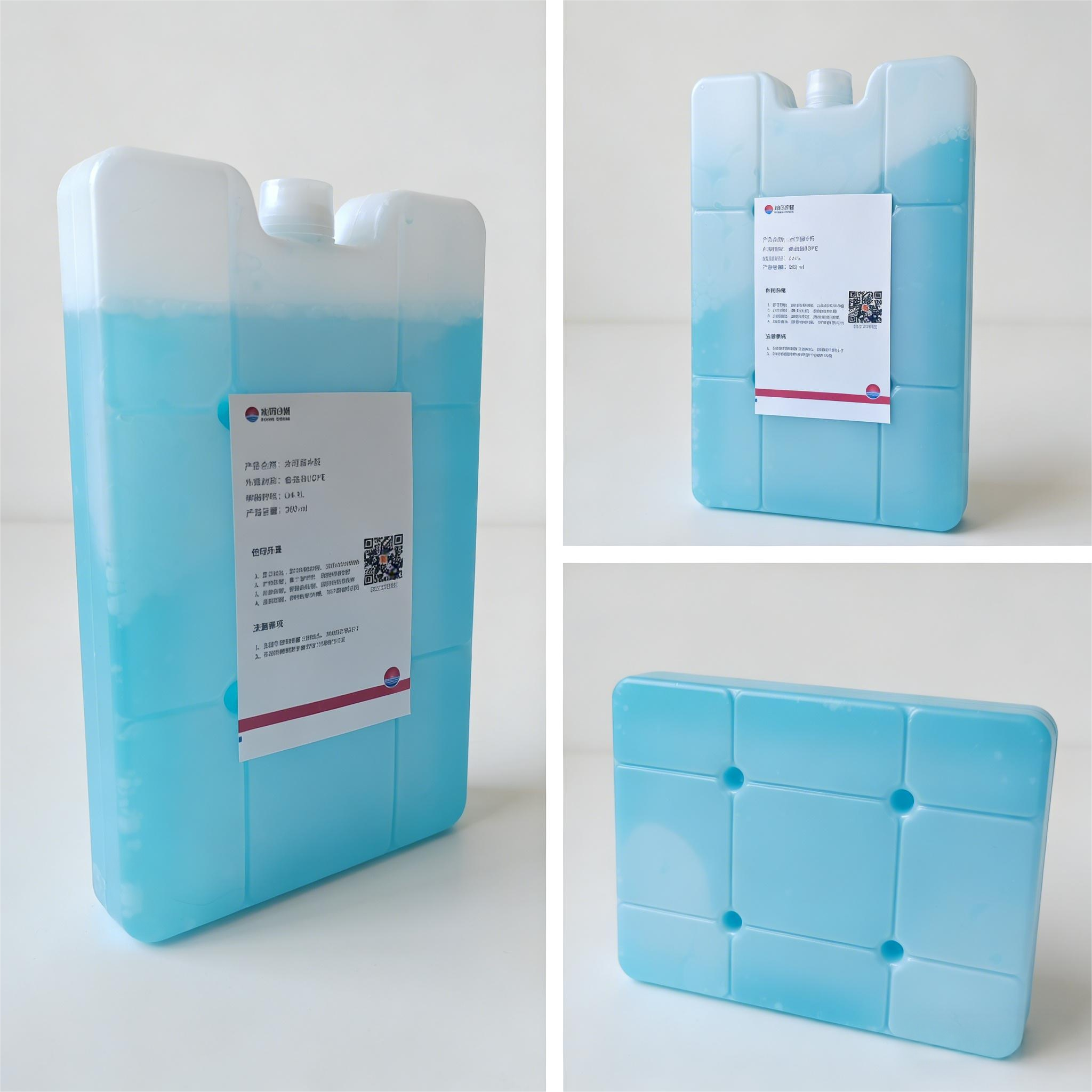
Building on this foundation, Glacier Coolant has introduced the LM-XL Phase-Change Insulated Box, designed specifically for cold chain transport. The box features a durable polyurethane insulation shell and internally embedded HDPE phase-change plates filled with LM-XL material. Thanks to the exceptional energy storage performance of LM-XL, once the plates are frozen and placed inside the box, they maintain a stable internal temperature near the phase-change point for dozens of hours.
Extended temperature hold time – significantly longer than ice pack-based systems
High thermal stability – reliable performance across varied ambient conditions
Eco-friendly and safe – no harmful emissions or materials
Durable construction – robust enough for repeated use in commercial logistics
With the growing demand for smarter, more sustainable cold chain solutions, Glacier Coolant’s LM-XL phase-change technology marks a decisive shift from reactive cooling to proactive, precision temperature management—redefining what the industry can expect from the "last mile.