As global industrial activity accelerates, cooling water now accounts for more than 80% of total industrial water use. But with continuous circulation and evaporation, mineral concentrations rise—leading to persistent scaling and corrosion in pipelines and equipment. The traditional response has been reactive chemical cleaning, but a new generation of corrosion and scale inhibitors is shifting the paradigm toward proactive, long-term protection.
These advanced water treatment agents work by forming a thin, chemically bonded protective layer on metal surfaces, effectively blocking corrosion, scaling, and microbial buildup. Depending on their mechanism, they are generally classified into organic and inorganic types—the former widely used in processing and pollution control, the latter in sectors like oilfields and large-scale water systems.
More specifically, inhibitors fall into anodic, cathodic, or mixed categories. Anodic inhibitors promote surface passivation but require precise dosing to avoid localized corrosion. Cathodic types slow corrosion by raising electrochemical overpotential, while mixed inhibitors deliver balanced, dual-action protection.
Among the latest innovations, Glacier Coolant stands out with its LMT series of corrosion and scale inhibitors. Designed for demanding environments such as chemical and pharmaceutical cooling systems, the LMT and LMT-1 products combine rust inhibitors, anti-scalants, corrosion protectors, and biocidal agents into a single, non-flammable, light-yellow liquid formulation.
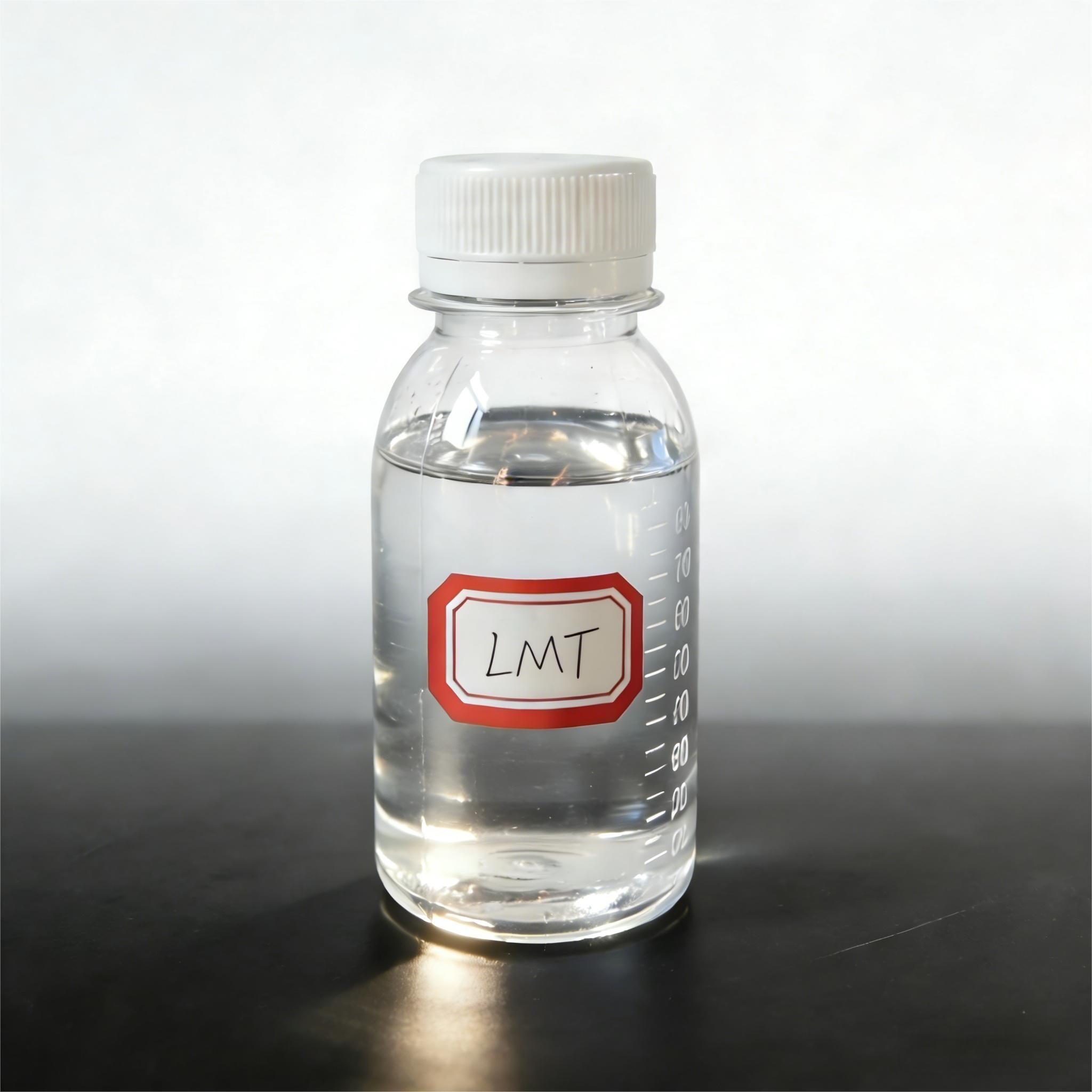
When dosed at just 1% of total system water volume, the LMT series delivers comprehensive protection: reducing metal corrosion, preventing scale deposits, and controlling algae and bacteria—all while supporting stable, uninterrupted system operation. Regular water sampling allows for precise, makeup-based dosing adjustments, ensuring consistent performance over time.
With this approach, the industry is moving beyond reactive cleaning cycles to a new standard—where active protection, not damage control, becomes the foundation of modern water treatment.